
Trump Demands Iran Pay for Past Attacks as Hormuz Standoff Persists
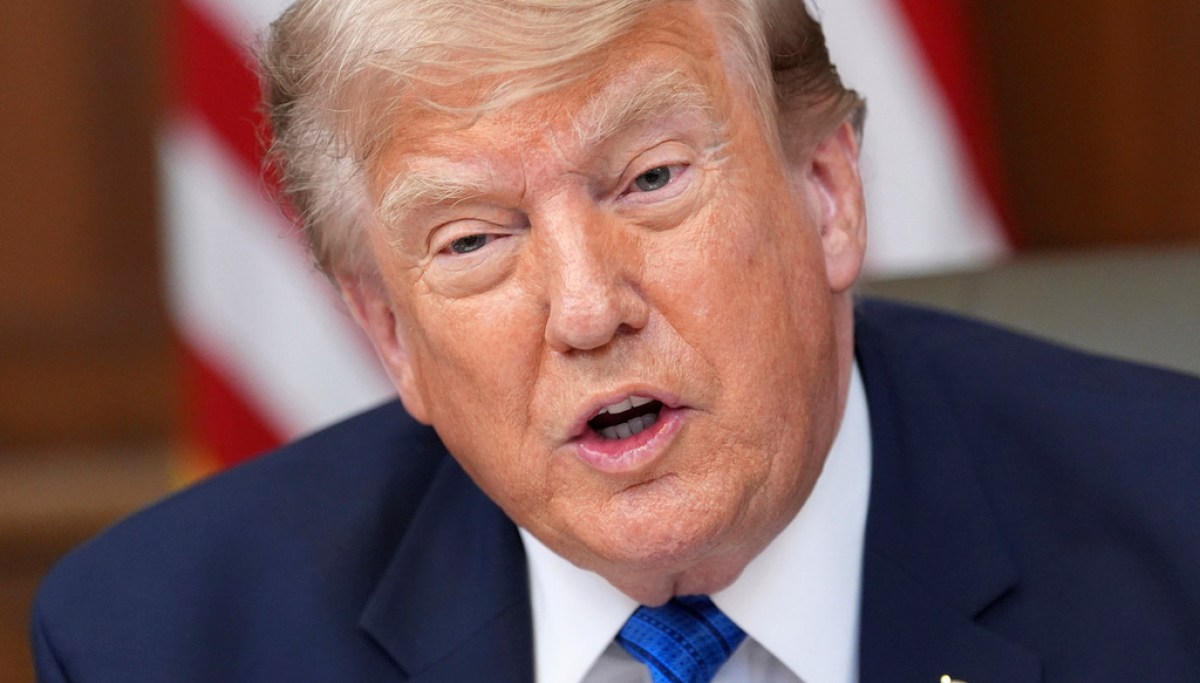
Cover image from washingtonexaminer.com, which was analyzed for this article
Trump escalates rhetoric by demanding reparations from Iran for past attacks and claiming U.S. control of the Strait of Hormuz amid stalled talks and rising oil prices.
PoliticalOS
Tuesday, August 11, 2026 — Politics
The core impasse is mutual compensation demands that each side has now placed on the table, hardening positions over Hormuz access and driving oil prices higher. Readers should note that several key figures, including casualty totals and inflation rates, remain unverified across available reporting. The standoff's origin traces to strikes that began February 28, a context that clarifies why both sides now link reopening to financial claims.
What outlets missed
Most coverage omitted the documented start of the current phase on February 28, 2026, when U.S. and Israeli strikes killed Iran's previous supreme leader Ali Khamenei and triggered the blockade and compensation demands. Several pieces repeated the unverified 52,000 casualty figure without cross-checks or ranges from other sources. Little attention was given to concrete maritime data showing only seven vessels transiting the strait in a recent 24-hour period or to U.S. Central Command's reported redirection of 55 commercial vessels since July 14. The plane-switch security measure received inconsistent context across outlets, with some emphasizing theatrics over the confirmed missile-plot intelligence.
Trump Demands Compensation From Iran Over Hormuz Stalemate
President Donald Trump on Monday instructed U.S. negotiators to seek compensation from Iran for deaths and damages linked to its actions over decades, matching demands Tehran made earlier in stalled talks over the Strait of Hormuz. The move came as both sides continued to press economic and military pressure without agreement on reopening the waterway that carries a significant share of global oil shipments.
Trump cited specific cases in public statements, including the 2000 attack on the USS Cole, roadside bombs in Iraq, and killings of protesters inside Iran. He also referenced losses tied to Iranian support for groups in Lebanon, Syria, Yemen, and Gaza. Iranian officials had previously conditioned any reopening of the strait on the lifting of sanctions, payment of reparations to Tehran, and an end to the U.S. naval presence enforcing restrictions on Iranian shipping.
The president separately told reporters that Iran remains under severe economic strain, with inflation reported near 300 percent and difficulty paying its military. He described the U.S. Navy as maintaining effective control of the strait despite Iranian drone threats to commercial traffic. Maritime data shows vessel movements through the passage remain far below pre-conflict levels.
The compensation demand follows Iran's six-point list of conditions released over the weekend by a senior security official. Those conditions included full U.S. payment for damages Iran claims to have suffered during the current conflict. Trump described the Iranian proposal as opening the door to reciprocal claims and said the issue would now be part of any future discussions.
Separately, U.S. officials confirmed that Trump altered his return route from a NATO summit in Turkey last month. After intelligence indicated a possible missile threat against Air Force One, the president boarded a different military aircraft and avoided public flight paths. White House statements at the time described the trip as routine, with the switch kept from most staff and the press.
Oil prices rose 5 percent on Monday amid the lack of progress. Traders cited continued uncertainty over when commercial traffic through the strait would resume normal volume. Trump maintained that the blockade remains intact and that only approved vessels are allowed passage, while Iran retains limited ability to harass shipping.
Iranian state media described the U.S. compensation call as an attempt to distract from stalled diplomacy. Foreign Ministry statements accused Washington of relying on sanctions rather than direct talks. The exchange has produced no reported movement toward compromise, with each side continuing to tie any concession to major policy reversals by the other.
The current impasse reflects long-standing patterns in U.S.-Iran economic confrontation. Past sanctions have repeatedly constrained Iranian revenue from oil exports, while Tehran has used control of narrow shipping lanes as leverage. Neither approach has produced a lasting settlement, and current positions show both governments calculating that time and external costs will shift the balance.
You just read Conservative's take. Want to read what actually happened?
More in Politics
Democrats Flip Senate, Expand House Majority in Midterms
Democrats flipped the Senate and expanded their House majority in a major rebuke to President Trump and Republicans. Key victories included multiple Senate seats and state-level wins that ended long-standing GOP dominance in places like Texas.
GOP Losses Spur Blame, Vance Distancing, 2028 Maneuvers
Republicans are pointing fingers internally after heavy losses, with Vice President JD Vance distancing himself from Trump over the Iran war and positioning for a potential 2028 run. Challengers within the party are already sensing opportunity.
Democrats Take House and Senate Amid Record Midterm Turnout
Democrats achieved decisive gains in the 2026 midterms, flipping seats to take control of both chambers. Coverage highlights historic turnout and implications for the Trump administration.
Democrats Take House and Senate, Constraining Trump
Democrats flipped both the House and Senate in a major rebuke to President Trump and Republicans. The results create divided government and set up battles over spending, oversight, and foreign policy for the remainder of Trump's term.
The Compass
You just read five takes on one story.
What's your take? Find your political shape in a few minutes.
Take the test