
Trump Demands Iran Pay for Past Attacks as Hormuz Standoff Persists
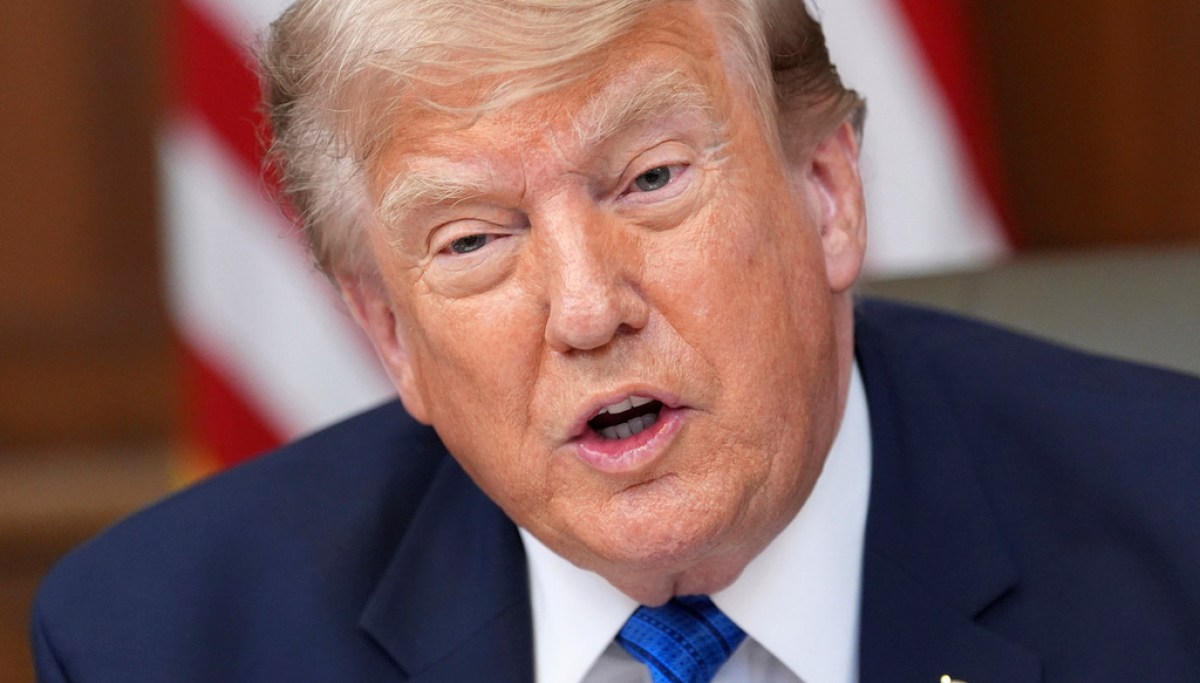
Cover image from washingtonexaminer.com, which was analyzed for this article
Trump escalates rhetoric by demanding reparations from Iran for past attacks and claiming U.S. control of the Strait of Hormuz amid stalled talks and rising oil prices.
PoliticalOS
Tuesday, August 11, 2026 — Politics
The core impasse is mutual compensation demands that each side has now placed on the table, hardening positions over Hormuz access and driving oil prices higher. Readers should note that several key figures, including casualty totals and inflation rates, remain unverified across available reporting. The standoff's origin traces to strikes that began February 28, a context that clarifies why both sides now link reopening to financial claims.
What outlets missed
Most coverage omitted the documented start of the current phase on February 28, 2026, when U.S. and Israeli strikes killed Iran's previous supreme leader Ali Khamenei and triggered the blockade and compensation demands. Several pieces repeated the unverified 52,000 casualty figure without cross-checks or ranges from other sources. Little attention was given to concrete maritime data showing only seven vessels transiting the strait in a recent 24-hour period or to U.S. Central Command's reported redirection of 55 commercial vessels since July 14. The plane-switch security measure received inconsistent context across outlets, with some emphasizing theatrics over the confirmed missile-plot intelligence.
Trump Demands Iranian Compensation as Hormuz Talks Reach Impasse
President Donald Trump on Monday escalated demands that Iran pay compensation for past attacks as negotiations over reopening the Strait of Hormuz remained deadlocked. The development comes amid ongoing restrictions on shipping through the vital energy corridor and fresh signs that both sides are digging in for a prolonged standoff.
Trump told reporters that Tehran should cover costs tied to roadside bombs, the 2000 USS Cole bombing and deaths in conflicts across Lebanon, Syria, Yemen and Gaza. The move directly mirrored Iran's recent call for U.S. reparations and asset unfreezing, turning the talks into a contest of competing claims rather than a straightforward path to de-escalation. Oil prices rose 5 percent on the news, reflecting market concern that the strait will stay constrained for months.
Trump has framed the situation as one of American leverage. He described the U.S. Navy as maintaining an effective blockade and said Iran's economy, with inflation he placed above 300 percent, will force concessions. Iranian officials have countered that sanctions are the real source of pressure and that they retain the ability to disrupt traffic despite the naval presence. Maritime data shows traffic through the strait remains below 10 percent of pre-war levels, underscoring the gap between official claims and operational reality.
The impasse follows a summer of mixed signals from the White House. Last month, during a NATO summit in Turkey, Trump altered his return flight after intelligence indicated a possible Iranian missile threat. He boarded what appeared to be Air Force One for cameras, then switched to a separate military aircraft, a detail that illustrates how the administration continues to manage visible risk while projecting resolve.
The broader conflict, now in its sixth month, has also reignited tensions in Yemen. Iranian-backed Houthi forces renewed strikes on government-held areas, raising the prospect of renewed civil war and additional threats to alternative shipping routes through the Red Sea. Those developments further complicate any quick resolution centered on the Strait of Hormuz alone.
Analysts note that both Washington and Tehran appear to be betting on the other's internal constraints. Trump is relying on economic pain to produce movement without new military commitments, while Iranian leaders calculate that sustained disruption will eventually shift the political costs back onto the United States and its allies. The result is a negotiation that has narrowed to dueling compensation demands rather than concrete steps toward reopening the strait.
Markets and regional partners are left watching for whether either side will accept incremental confidence-building measures or whether the current stalemate persists until one economy or political coalition cracks first.
You just read Liberal's take. Want to read what actually happened?
More in Politics
Democrats Flip Senate, Expand House Majority in Midterms
Democrats flipped the Senate and expanded their House majority in a major rebuke to President Trump and Republicans. Key victories included multiple Senate seats and state-level wins that ended long-standing GOP dominance in places like Texas.
GOP Losses Spur Blame, Vance Distancing, 2028 Maneuvers
Republicans are pointing fingers internally after heavy losses, with Vice President JD Vance distancing himself from Trump over the Iran war and positioning for a potential 2028 run. Challengers within the party are already sensing opportunity.
Democrats Take House and Senate Amid Record Midterm Turnout
Democrats achieved decisive gains in the 2026 midterms, flipping seats to take control of both chambers. Coverage highlights historic turnout and implications for the Trump administration.
Democrats Take House and Senate, Constraining Trump
Democrats flipped both the House and Senate in a major rebuke to President Trump and Republicans. The results create divided government and set up battles over spending, oversight, and foreign policy for the remainder of Trump's term.
The Compass
You just read five takes on one story.
What's your take? Find your political shape in a few minutes.
Take the test