
Trump Demands Iran Pay for Past Attacks as Hormuz Standoff Persists
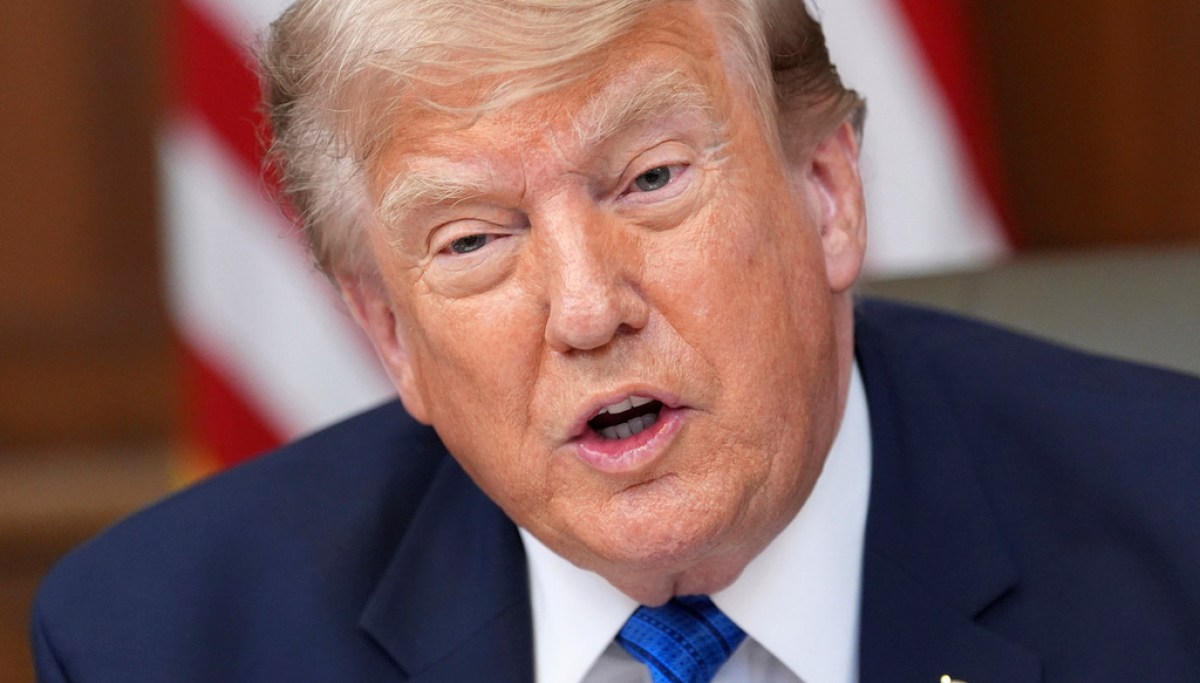
Cover image from washingtonexaminer.com, which was analyzed for this article
Trump escalates rhetoric by demanding reparations from Iran for past attacks and claiming U.S. control of the Strait of Hormuz amid stalled talks and rising oil prices.
PoliticalOS
Tuesday, August 11, 2026 — Politics
The core impasse is mutual compensation demands that each side has now placed on the table, hardening positions over Hormuz access and driving oil prices higher. Readers should note that several key figures, including casualty totals and inflation rates, remain unverified across available reporting. The standoff's origin traces to strikes that began February 28, a context that clarifies why both sides now link reopening to financial claims.
What outlets missed
Most coverage omitted the documented start of the current phase on February 28, 2026, when U.S. and Israeli strikes killed Iran's previous supreme leader Ali Khamenei and triggered the blockade and compensation demands. Several pieces repeated the unverified 52,000 casualty figure without cross-checks or ranges from other sources. Little attention was given to concrete maritime data showing only seven vessels transiting the strait in a recent 24-hour period or to U.S. Central Command's reported redirection of 55 commercial vessels since July 14. The plane-switch security measure received inconsistent context across outlets, with some emphasizing theatrics over the confirmed missile-plot intelligence.
Trump Dodges Iranian Threats With Secret Flight Home as Hormuz Standoff Drags On
President Donald Trump took elaborate steps to conceal his return from a NATO summit in Turkey last month after U.S. intelligence picked up credible threats of an Iranian missile strike on Air Force One, according to multiple reports. The episode, which involved switching planes mid-route and slipping into a catering truck, has added to questions about the stability of ongoing talks over the Strait of Hormuz, where Iran continues to block commercial shipping despite U.S. claims of control.
Trump boarded what was presented as the presidential aircraft in Ankara before quietly transferring to a military plane for the journey back to the United States. He later posted on his Truth Social platform that the switch was merely for nostalgia and to let service members see the newer aircraft. The White House had initially described the trip as routine, but the covert routing came after warnings of an attack tied to the broader conflict that began in February.
The secrecy around the return flight coincides with a deepening impasse in negotiations. Iran has refused to reopen the Strait of Hormuz, through which roughly a fifth of global oil supply passes, until the United States lifts sanctions, pays reparations, unfreezes assets and ends its naval blockade. Trump has countered by demanding that Iran compensate the United States for deaths and injuries from roadside bombs, the 2000 USS Cole attack and other incidents dating back decades, including recent casualties in Lebanon, Syria, Yemen and Gaza. He described the Iranian demand for compensation as an “interesting idea” that prompted his own list of grievances.
In public statements, Trump has portrayed Iran as economically desperate, citing inflation rates above 300 percent and unpaid soldiers. He told reporters that the United States maintains an “infallible” blockade and that the strait remains open to vessels the administration approves. Maritime data, however, shows traffic through the waterway has fallen below 10 percent of prewar levels, with Iran retaining the capacity to target ships using drones. Oil prices rose 5 percent on Monday amid the lack of progress.
Iran’s foreign ministry has dismissed U.S. sanctions policy as ineffective and accused Washington of preferring economic pressure over genuine diplomacy. Tehran’s conditions for reopening the strait remain unchanged, and officials have signaled they are prepared to absorb further hardship rather than concede quickly. The standoff has forced some shipping toward longer routes around Africa or through the Red Sea, where Iranian-backed Houthi forces have renewed attacks on ports and facilities in Yemen.
The combination of the hidden flight from Turkey and the stalled Hormuz talks has left allies and markets uncertain about Washington’s next steps. Trump has alternated between threats of further military action and assertions that Iran’s financial distress will eventually force a deal. So far, those assertions have not produced movement at the negotiating table.
You just read Progressive's take. Want to read what actually happened?
More in Politics
Democrats Flip Senate, Expand House Majority in Midterms
Democrats flipped the Senate and expanded their House majority in a major rebuke to President Trump and Republicans. Key victories included multiple Senate seats and state-level wins that ended long-standing GOP dominance in places like Texas.
GOP Losses Spur Blame, Vance Distancing, 2028 Maneuvers
Republicans are pointing fingers internally after heavy losses, with Vice President JD Vance distancing himself from Trump over the Iran war and positioning for a potential 2028 run. Challengers within the party are already sensing opportunity.
Democrats Take House and Senate Amid Record Midterm Turnout
Democrats achieved decisive gains in the 2026 midterms, flipping seats to take control of both chambers. Coverage highlights historic turnout and implications for the Trump administration.
Democrats Take House and Senate, Constraining Trump
Democrats flipped both the House and Senate in a major rebuke to President Trump and Republicans. The results create divided government and set up battles over spending, oversight, and foreign policy for the remainder of Trump's term.
The Compass
You just read five takes on one story.
What's your take? Find your political shape in a few minutes.
Take the test