
Trump Pledges Sweeping Sanctions Targeting Iran and Its Trade Partners
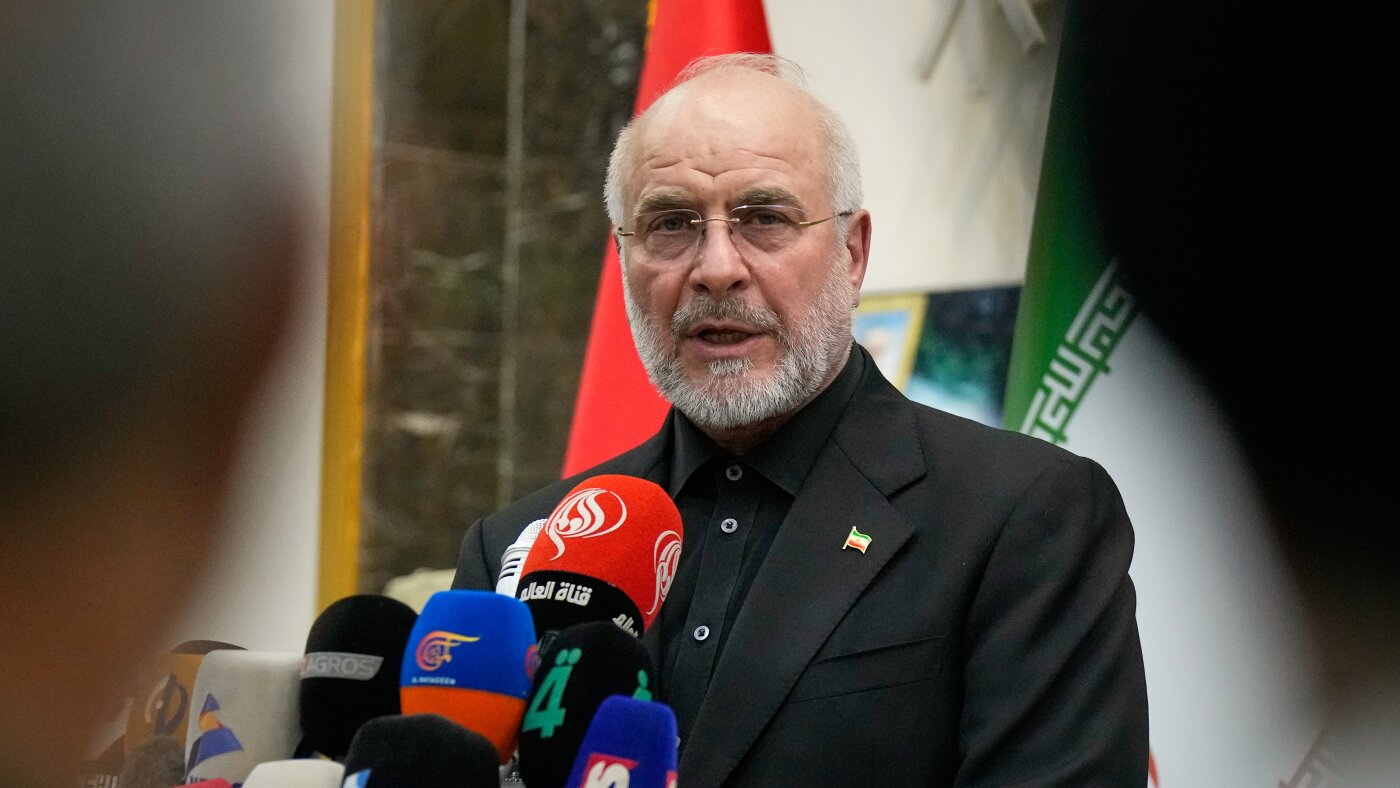
Cover image from npr.org, which was analyzed for this article
Trump warned of major economic measures against Iran, including an 'economic D-Day,' as Tehran officials dismissed the threats. Left-leaning outlets like NYT and NPR are balanced by Washington Examiner and CBS coverage.
PoliticalOS
Friday, August 21, 2026 — Politics
The core development is a U.S. threat of secondary sanctions on any nation sustaining Iran's economy, met by Iranian dismissal and no immediate sign of resumed talks. Whether the measures can be enforced against major buyers such as China or will instead deepen regional defiance remains the central unresolved question.
What outlets missed
Most coverage omitted concrete dates for the expiration of the 60-day negotiation memorandum and the specific sequence of Iranian shipping restrictions that preceded the latest U.S. statements. Few outlets examined the mechanics of how secondary sanctions on entire nations would be monitored or enforced beyond existing Treasury authorities. Limited attention was given to the role of overland trade routes through Turkey and Pakistan that are less vulnerable to maritime enforcement. The absence of allied reactions or congressional notifications left the scale of international coordination unclear.
Trump Abandons Military Push for Sweeping Economic Assault on Iran
President Trump has shifted course in the six-month conflict with Iran, declaring an end to major military strikes in favor of what he calls an "Economic D-Day" of unprecedented sanctions and isolation. The move comes amid a grinding stalemate that shows no sign of quick resolution, with the president posting on Truth Social that any nation aiding Tehran in oil shipments, banking, or shipping will face severe penalties.
Treasury Secretary Scott Bessent described the approach as a one-two punch combining the existing naval blockade with the toughest sanctions in history. He warned allies and trading partners that they must choose sides, vowing to target front companies, swap lines, and oil smuggling networks. Trump echoed this by stating that countries allowing their institutions to support Iran would encounter tremendous economic consequences.
Iranian officials have responded with open dismissal. Parliament Speaker Mohammad Baqer Qalibaf said the emphasis on economic pressure proves Washington and its partners cannot prevail in direct military confrontation. Foreign Minister Abbas Araghchi called the threats economic terrorism designed to distract from America's mounting national debt and domestic troubles. Both described the policy as a doubling down on sanctions that have already failed to break Iranian resolve.
The pivot follows months of limited gains from air and naval operations. U.S. immigration records released this week reveal quiet cooperation with Iranian authorities on deportations as recently as early 2026, even as tensions escalated toward open conflict. Such contacts underscore how intertwined interests persist beneath public hostility.
Critics of prolonged foreign engagements note that the war has now stretched far longer than initial projections, draining resources while the U.S. debt continues to climb. Trump's new sanctions target Iran's main oil customer in China and other trading partners in Baghdad, yet past rounds of similar measures have often enriched middlemen without altering regime behavior. Iran’s leadership is already urging closer economic ties with Iraq using local currencies to sidestep the dollar.
The blockade has sharply reduced Iranian oil exports by sea, yet Beijing has continued limited purchases through alternative routes. Any attempt to penalize Chinese entities risks broader trade friction at a time when American consumers face higher costs from inflation and supply disruptions. Supporters of the administration argue the pressure will eventually force negotiations, but the six-month record suggests Iran has adapted to isolation before.
Diplomatic channels remain frozen after a 60-day negotiation window expired without progress. Trump has indicated talks could resume later, but only if the current economic squeeze produces results that military action could not. For now, the conflict has settled into a contest of endurance, with ordinary Iranians and American taxpayers left to absorb the costs of policies that show few signs of delivering decisive victory.
You just read America First's take. Want to read what actually happened?
More in Politics
Democrats Flip Senate, Expand House Majority in Midterms
Democrats flipped the Senate and expanded their House majority in a major rebuke to President Trump and Republicans. Key victories included multiple Senate seats and state-level wins that ended long-standing GOP dominance in places like Texas.
GOP Losses Spur Blame, Vance Distancing, 2028 Maneuvers
Republicans are pointing fingers internally after heavy losses, with Vice President JD Vance distancing himself from Trump over the Iran war and positioning for a potential 2028 run. Challengers within the party are already sensing opportunity.
Democrats Take House and Senate Amid Record Midterm Turnout
Democrats achieved decisive gains in the 2026 midterms, flipping seats to take control of both chambers. Coverage highlights historic turnout and implications for the Trump administration.
Democrats Take House and Senate, Constraining Trump
Democrats flipped both the House and Senate in a major rebuke to President Trump and Republicans. The results create divided government and set up battles over spending, oversight, and foreign policy for the remainder of Trump's term.
The Compass
You just read five takes on one story.
What's your take? Find your political shape in a few minutes.
Take the test