
Trump Threatens Oman as Iran Ceasefire Deadline Expires
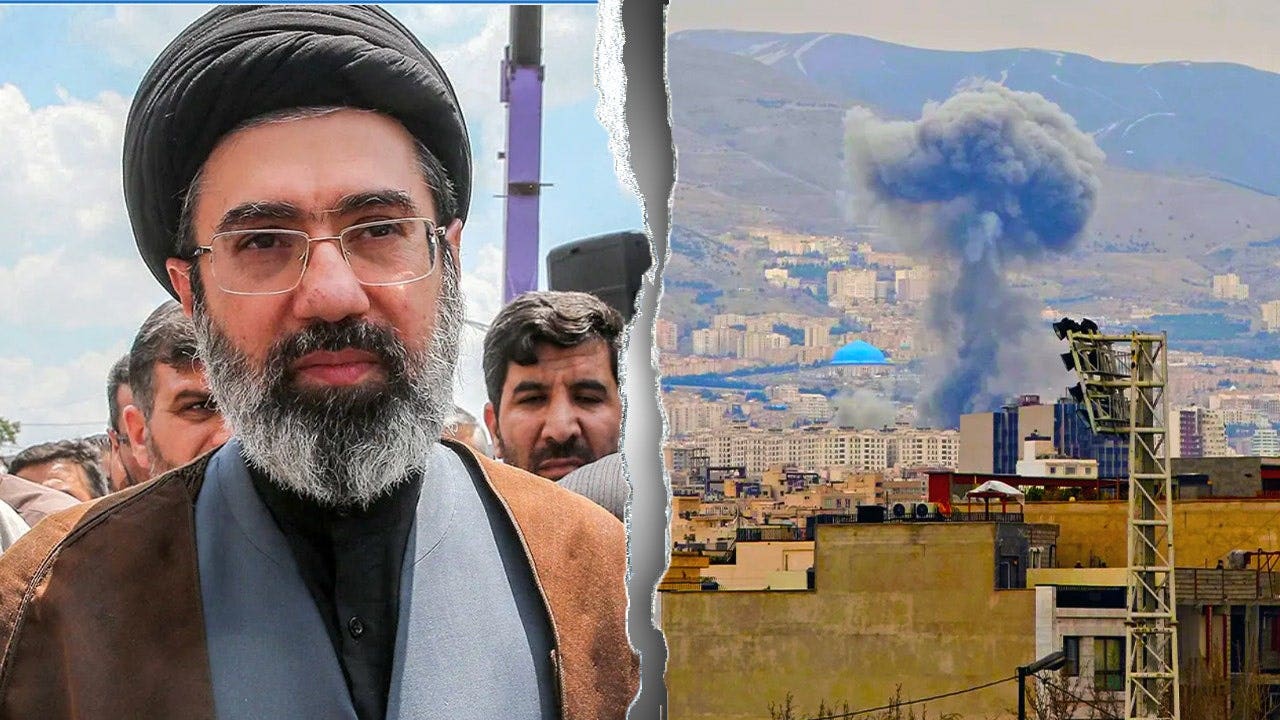
Cover image from foxnews.com, which was analyzed for this article
President Trump threatened military action against Oman and demanded surrender as the Iran ceasefire deadline passed. Oil prices surged to multi-month highs after vessel strikes, with Republicans expressing concern over the conflict's impact on midterms.
PoliticalOS
Tuesday, August 18, 2026 — Politics
The core impasse is over who controls transit through the Strait of Hormuz and under what conditions. Without agreement on that single point, the expired MOU leaves shipping volumes low, oil prices elevated, and both sides able to escalate or resume talks.
What outlets missed
Most coverage omitted the specific sequence of Iranian strikes on vessels that followed Oman-approved routes in late June, which preceded the collapse of the initial MOU and renewed US operations. Few outlets supplied tonnage or daily transit figures before and after each side’s restrictions, making direct comparison of impact difficult. The June 17 MOU’s explicit provisions for a 60-day halt in hostilities and framework for nuclear and sanctions issues received little detail outside Fox and Al Jazeera. Turkish-Erdogan diplomacy and Houthi parallel actions in the Red Sea appeared in only one or two dispatches despite their potential to widen the conflict.
Trump Threatens Oman Over Strait of Hormuz Talks
President Donald Trump warned Monday that the United States would bomb Oman if the Gulf nation interfered with American efforts to secure a deal with Iran on the Strait of Hormuz. The statement came as a 60-day memorandum between Washington and Tehran expired without renewal, leaving control of the vital waterway unresolved after nearly six months of conflict.
Trump made the remarks during an interview with Fox News, saying Iran should surrender and accusing Oman of potentially obstructing backchannel discussions. He claimed the United States had opened lines to Iran's Islamic Revolutionary Guard Corps, a assertion denied by Iranian officials. The threat marks the second time Trump has directed such language at Oman, a long-standing American ally that has avoided direct involvement in the fighting.
Oman has hosted talks with Iran on managing transit through the strait, whose northern shore lies along Iranian territory and southern shore along Omani waters. Iranian authorities said they were nearing a joint declaration on commercial routes, though any arrangement requires American consent amid an ongoing blockade that has reduced traffic to a fraction of pre-war levels. The United States insists on unrestricted passage for commercial vessels, while Iran seeks to retain authority over the route that carries roughly one-fifth of global oil shipments.
The collapse of the memorandum coincided with a jump in oil prices. Brent crude rose above 90 dollars a barrel, its highest level since late July, as traders weighed the risk of prolonged disruption. Analysts noted that even modest reductions in flow through the strait add a geopolitical premium to energy costs already strained by months of uncertainty.
Early Tuesday, a vessel suffered engine damage and a crew casualty while transiting the strait, according to the British maritime monitoring agency. No group claimed responsibility, and no oil spill was reported. Iranian statements indicated a shift toward a more offensive posture if talks with the United States remained deadlocked.
The episode illustrates how regional actors with no direct stake in the original dispute become entangled through geography and trade routes. Oman's attempts at neutrality have not shielded it from Iranian strikes on nearby targets or from American pressure. Such dynamics often extend conflicts beyond initial objectives, raising costs for participants and bystanders alike through higher energy prices and diverted military resources.
Negotiations mediated earlier by Pakistan produced only a temporary pause before renewed clashes over Hormuz. With midterm elections approaching, domestic pressure has mounted on the administration to resolve the standoff, yet core disagreements on nuclear issues and maritime control persist. Iranian officials have rejected direct talks with Washington, preferring arrangements that preserve their leverage over the strait.
The pattern of threats, blockades, and incremental attacks shows how incentives on each side favor continued confrontation over compromise. Economic data from past interventions suggest that prolonged involvement in distant conflicts tends to produce outcomes that diverge from stated goals, burdening taxpayers and global markets without clear resolution.
You just read Conservative's take. Want to read what actually happened?
More in Politics
Democrats Flip Senate, Expand House Majority in Midterms
Democrats flipped the Senate and expanded their House majority in a major rebuke to President Trump and Republicans. Key victories included multiple Senate seats and state-level wins that ended long-standing GOP dominance in places like Texas.
GOP Losses Spur Blame, Vance Distancing, 2028 Maneuvers
Republicans are pointing fingers internally after heavy losses, with Vice President JD Vance distancing himself from Trump over the Iran war and positioning for a potential 2028 run. Challengers within the party are already sensing opportunity.
Democrats Take House and Senate Amid Record Midterm Turnout
Democrats achieved decisive gains in the 2026 midterms, flipping seats to take control of both chambers. Coverage highlights historic turnout and implications for the Trump administration.
Democrats Take House and Senate, Constraining Trump
Democrats flipped both the House and Senate in a major rebuke to President Trump and Republicans. The results create divided government and set up battles over spending, oversight, and foreign policy for the remainder of Trump's term.
The Compass
You just read five takes on one story.
What's your take? Find your political shape in a few minutes.
Take the test