
Trump Threatens Oman as Iran Ceasefire Deadline Expires
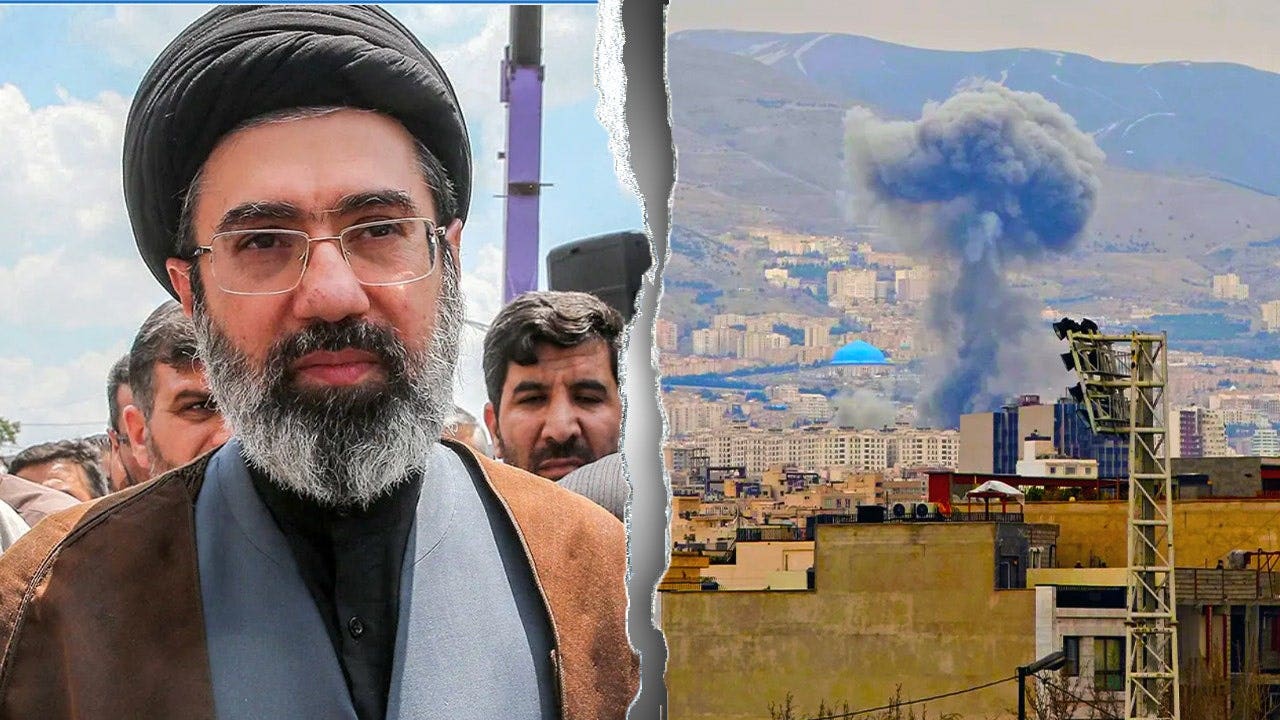
Cover image from foxnews.com, which was analyzed for this article
President Trump threatened military action against Oman and demanded surrender as the Iran ceasefire deadline passed. Oil prices surged to multi-month highs after vessel strikes, with Republicans expressing concern over the conflict's impact on midterms.
PoliticalOS
Tuesday, August 18, 2026 — Politics
The core impasse is over who controls transit through the Strait of Hormuz and under what conditions. Without agreement on that single point, the expired MOU leaves shipping volumes low, oil prices elevated, and both sides able to escalate or resume talks.
What outlets missed
Most coverage omitted the specific sequence of Iranian strikes on vessels that followed Oman-approved routes in late June, which preceded the collapse of the initial MOU and renewed US operations. Few outlets supplied tonnage or daily transit figures before and after each side’s restrictions, making direct comparison of impact difficult. The June 17 MOU’s explicit provisions for a 60-day halt in hostilities and framework for nuclear and sanctions issues received little detail outside Fox and Al Jazeera. Turkish-Erdogan diplomacy and Houthi parallel actions in the Red Sea appeared in only one or two dispatches despite their potential to widen the conflict.
Trump Threatens to Bomb Oman in Bid to Force Iran Surrender
President Donald Trump warned on Monday that the United States would strike Oman if the Gulf nation interferes with American efforts to secure control of the Strait of Hormuz. Speaking to Fox News, Trump said Iran must surrender and that any move by Oman to block a deal would trigger a heavy response. The comments mark the second time Trump has directed such language at the longtime American partner.
The threat comes as a 60-day window for talks with Iran expired without agreement. Oman has been discussing navigation rules through the strait with Iranian officials, who control the northern shore while Oman sits to the south. Tehran announced progress toward a joint declaration on commercial routes, but the plan requires American approval that has not materialized. Trump has insisted the waterway falls under U.S. naval dominance, claiming a blockade has reduced traffic to a fraction of pre-war levels.
Oil markets reacted quickly. Brent crude climbed above 90 dollars a barrel for the first time in weeks, reaching 91.63 dollars on Tuesday. Analysts noted that any further narrowing of diplomatic options through Hormuz adds a lasting premium to energy prices. The spike arrives as voters face higher fuel costs and Republicans prepare for midterm elections in November.
A separate incident underscored the risks. Early Tuesday, a ship suffered engine damage and a crew casualty while transiting the strait, according to the UK Maritime Trade Operations center. The Omani coast guard responded, though details on the vessel and the source of the projectile remain unknown. Iran has signaled it will adopt a more offensive posture if talks fail, with one official warning that passage will stay restricted until American conditions change.
The broader conflict began in late February after U.S. and Israeli strikes on Iranian targets. Nearly six months later, the fighting has spread to commercial shipping and drawn in regional actors. Oman has maintained a neutral stance and avoided direct involvement, yet it now faces pressure from both sides. Trump’s remarks arrive against a backdrop of stalled Pakistan-mediated efforts and repeated Iranian denials of any direct channel to American officials.
Critics of prolonged engagement point out that the United States has little to gain from deeper involvement in a conflict that disrupts global energy flows without clear victory conditions. Supporters of a hard line argue that yielding control of the strait would reward Iranian aggression. For now, the impasse leaves American drivers paying more at the pump while Washington weighs its next move.
You just read America First's take. Want to read what actually happened?
More in Politics
Democrats Flip Senate, Expand House Majority in Midterms
Democrats flipped the Senate and expanded their House majority in a major rebuke to President Trump and Republicans. Key victories included multiple Senate seats and state-level wins that ended long-standing GOP dominance in places like Texas.
GOP Losses Spur Blame, Vance Distancing, 2028 Maneuvers
Republicans are pointing fingers internally after heavy losses, with Vice President JD Vance distancing himself from Trump over the Iran war and positioning for a potential 2028 run. Challengers within the party are already sensing opportunity.
Democrats Take House and Senate Amid Record Midterm Turnout
Democrats achieved decisive gains in the 2026 midterms, flipping seats to take control of both chambers. Coverage highlights historic turnout and implications for the Trump administration.
Democrats Take House and Senate, Constraining Trump
Democrats flipped both the House and Senate in a major rebuke to President Trump and Republicans. The results create divided government and set up battles over spending, oversight, and foreign policy for the remainder of Trump's term.
The Compass
You just read five takes on one story.
What's your take? Find your political shape in a few minutes.
Take the test