
Trump Threatens Oman as Iran Ceasefire Deadline Expires
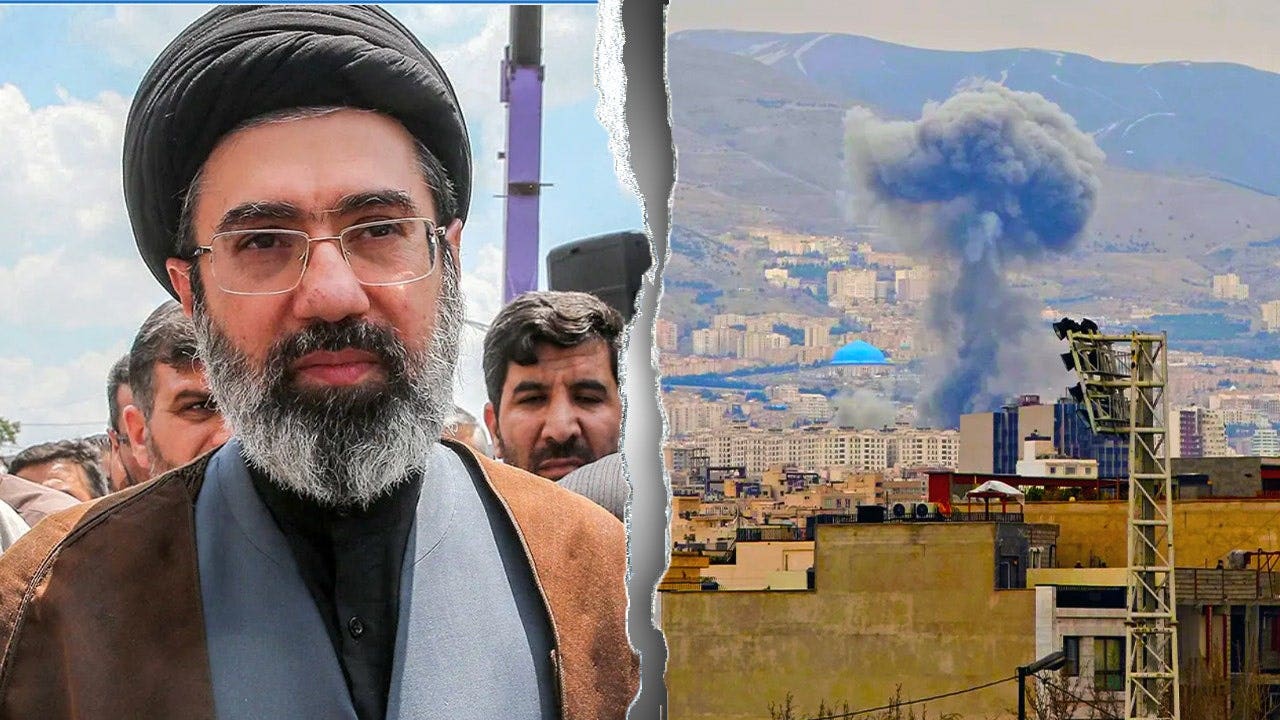
Cover image from foxnews.com, which was analyzed for this article
President Trump threatened military action against Oman and demanded surrender as the Iran ceasefire deadline passed. Oil prices surged to multi-month highs after vessel strikes, with Republicans expressing concern over the conflict's impact on midterms.
PoliticalOS
Tuesday, August 18, 2026 — Politics
The core impasse is over who controls transit through the Strait of Hormuz and under what conditions. Without agreement on that single point, the expired MOU leaves shipping volumes low, oil prices elevated, and both sides able to escalate or resume talks.
What outlets missed
Most coverage omitted the specific sequence of Iranian strikes on vessels that followed Oman-approved routes in late June, which preceded the collapse of the initial MOU and renewed US operations. Few outlets supplied tonnage or daily transit figures before and after each side’s restrictions, making direct comparison of impact difficult. The June 17 MOU’s explicit provisions for a 60-day halt in hostilities and framework for nuclear and sanctions issues received little detail outside Fox and Al Jazeera. Turkish-Erdogan diplomacy and Houthi parallel actions in the Red Sea appeared in only one or two dispatches despite their potential to widen the conflict.
Trump Threatens Strike on Oman as Hormuz Talks Stall
President Donald Trump warned Monday that the United States would bomb Oman if the Gulf ally interferes with American efforts to secure control over the Strait of Hormuz, escalating tensions just as a 60-day window for negotiations with Iran expired without agreement. The remarks, delivered in an interview with Fox News, mark the second time Trump has directed such a threat at the longtime U.S. partner, which has sought to maintain neutrality while mediating between Tehran and Washington.
The comments came as Iran and Oman neared an understanding on managing commercial traffic through the strait, which Iran has effectively restricted since the conflict began in February. Iranian officials described the arrangement as a joint declaration on transit routes, but stressed it would require U.S. consent to take effect. Trump dismissed the talks and called for Iran to surrender, claiming American forces maintain decisive control through a naval blockade that has reduced shipping volumes sharply.
Oman occupies a delicate position. Its territorial waters form the southern boundary of the strait, and it has hosted indirect contacts between the two sides in previous rounds of diplomacy. Muscat has avoided public criticism of Washington while absorbing indirect effects from the fighting, including strikes on regional infrastructure. Trump’s threat places additional strain on a relationship that has long served U.S. interests in the Gulf without requiring Oman to host permanent American bases.
The breakdown of the interim arrangement carries immediate economic consequences. Brent crude climbed above $90 a barrel for the first time since late July, reaching $91.63 on Tuesday. Analysts noted that markets are beginning to price in a longer disruption rather than a temporary halt, given that roughly one-fifth of global seaborne oil normally passes through the waterway. Further volatility could intensify pressure on Republican candidates ahead of the November midterms, where fuel costs and public fatigue with the conflict have become liabilities.
Iranian statements after the deadline underscored the impasse. Officials said they would adopt a more aggressive posture if talks failed and rejected any direct channel with the Islamic Revolutionary Guard Corps that Trump claimed to have opened. A vessel transiting the strait early Tuesday reported damage from an unidentified projectile, injuring at least one crew member, according to the UK Maritime Trade Operations center. No group claimed responsibility, but the incident illustrated the continued risks to commercial shipping.
The episode highlights structural challenges in ending the conflict. Control of the strait remains the central disagreement, with Washington insisting on unrestricted passage and Tehran demanding authority over its own coastline. Previous mediation attempts, including one involving Pakistan, collapsed under renewed fighting. Oman’s proposed route would not resolve the underlying blockade or address Iran’s nuclear program, leaving both sides without a clear path to de-escalation.
For the United States, the threat against a cooperative Gulf state risks complicating future coordination on energy security and countering Iranian influence. Oman has historically facilitated backchannel communications precisely because it avoids direct alignment with either side. Publicly targeting it may discourage other regional actors from similar roles. At the same time, domestic political calculations appear to favor a hard line, as Trump seeks to project strength amid stalled negotiations and rising energy prices.
The coming weeks will test whether renewed diplomacy can reopen the strait or whether the conflict settles into a prolonged standoff with higher costs for global markets and U.S. alliances alike.
You just read Liberal's take. Want to read what actually happened?
More in Politics
Democrats Flip Senate, Expand House Majority in Midterms
Democrats flipped the Senate and expanded their House majority in a major rebuke to President Trump and Republicans. Key victories included multiple Senate seats and state-level wins that ended long-standing GOP dominance in places like Texas.
GOP Losses Spur Blame, Vance Distancing, 2028 Maneuvers
Republicans are pointing fingers internally after heavy losses, with Vice President JD Vance distancing himself from Trump over the Iran war and positioning for a potential 2028 run. Challengers within the party are already sensing opportunity.
Democrats Take House and Senate Amid Record Midterm Turnout
Democrats achieved decisive gains in the 2026 midterms, flipping seats to take control of both chambers. Coverage highlights historic turnout and implications for the Trump administration.
Democrats Take House and Senate, Constraining Trump
Democrats flipped both the House and Senate in a major rebuke to President Trump and Republicans. The results create divided government and set up battles over spending, oversight, and foreign policy for the remainder of Trump's term.
The Compass
You just read five takes on one story.
What's your take? Find your political shape in a few minutes.
Take the test