
Trump Threatens Oman as Iran Ceasefire Deadline Expires
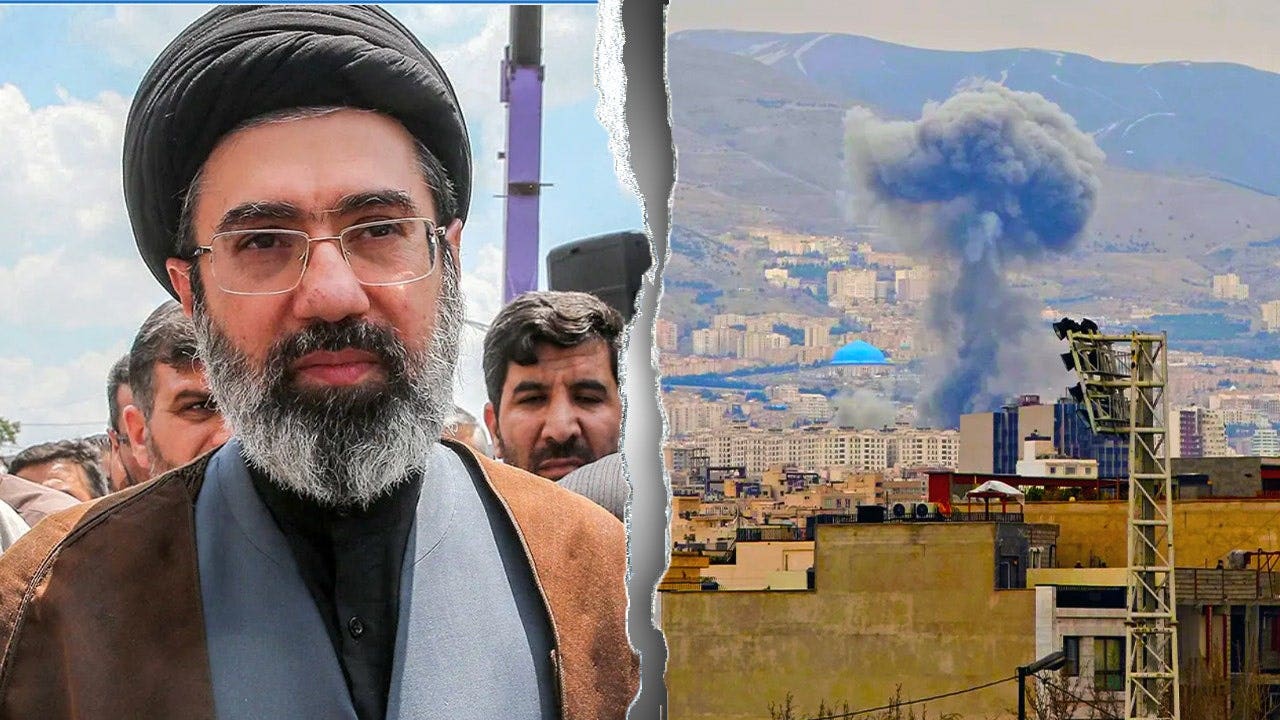
Cover image from foxnews.com, which was analyzed for this article
President Trump threatened military action against Oman and demanded surrender as the Iran ceasefire deadline passed. Oil prices surged to multi-month highs after vessel strikes, with Republicans expressing concern over the conflict's impact on midterms.
PoliticalOS
Tuesday, August 18, 2026 — Politics
The core impasse is over who controls transit through the Strait of Hormuz and under what conditions. Without agreement on that single point, the expired MOU leaves shipping volumes low, oil prices elevated, and both sides able to escalate or resume talks.
What outlets missed
Most coverage omitted the specific sequence of Iranian strikes on vessels that followed Oman-approved routes in late June, which preceded the collapse of the initial MOU and renewed US operations. Few outlets supplied tonnage or daily transit figures before and after each side’s restrictions, making direct comparison of impact difficult. The June 17 MOU’s explicit provisions for a 60-day halt in hostilities and framework for nuclear and sanctions issues received little detail outside Fox and Al Jazeera. Turkish-Erdogan diplomacy and Houthi parallel actions in the Red Sea appeared in only one or two dispatches despite their potential to widen the conflict.
Trump threatens to strike longtime US ally Oman for second time over Iran talks
US President Donald Trump renewed his threat to bomb Oman on Monday if the Gulf nation interferes with American efforts to secure a deal with Iran over the Strait of Hormuz, marking the second time he has singled out the longtime strategic partner for potential attack. The warning came as a 60-day memorandum of understanding between Washington and Tehran expired without progress, leaving the critical waterway effectively closed and global oil markets rattled.
Speaking to Fox News, Trump said Iran should surrender and claimed his administration had established a backchannel with Iran’s Islamic Revolutionary Guard Corps. He then turned his attention to Oman, stating that if the country “gets in the way, we’ll bomb the shit out of them.” An IRGC spokesman quickly rejected the notion of any direct contact, calling Trump’s assertion a fantasy. Oman has not publicly responded to the remarks.
The comments arrive against the backdrop of a six-month conflict that began with US and Israeli strikes on Iran in late February. Iran has maintained control over the northern approaches to the Strait of Hormuz, through which roughly one-fifth of seaborne oil trade normally passes. Oman, whose territorial waters form the southern boundary, has sought to position itself as a neutral mediator, engaging Tehran on possible new transit arrangements. Iranian officials said Monday they were close to a joint declaration with Muscat on a commercial route, though any agreement would require US acquiescence to lift the blockade Trump has described as a “wall of steel.”
The collapse of earlier Pakistan-mediated talks has left both sides deadlocked over who controls passage through the strait and how to address Iran’s nuclear program. With fuel prices climbing and midterm elections approaching, the prolonged standoff has added political pressure on the administration. Brent crude rose above $90 a barrel following the deadline’s expiration, and analysts noted that any further narrowing of diplomatic options could sustain higher prices.
A separate incident early Tuesday underscored the risks to shipping. An unidentified projectile struck a vessel exiting the strait, damaging its engine room and injuring a crew member, according to the UK Maritime Trade Operations center. No group claimed responsibility, but the attack followed Iranian warnings that the route would remain restricted until Washington meets Tehran’s conditions. Iranian officials have signaled they may adopt a more aggressive posture if talks remain stalled.
Oman’s role has drawn repeated attention because of its history as a reliable US partner that has avoided direct confrontation with Washington. The country has hosted American military assets and facilitated past diplomatic contacts between the US and Iran, yet it has also faced strikes from Iranian forces targeting perceived US-linked infrastructure. Trump’s willingness to threaten force against such an ally has raised questions inside and outside the administration about the consistency of US policy in the region.
The episode follows weeks of shifting claims about negotiations. Trump has insisted the United States exercises total control over the strait, while Iranian statements reject that assessment and emphasize the need for any reopening to preserve Tehran’s authority over its territorial waters. With no direct channel confirmed and the latest deadline now passed, the immediate path to de-escalation appears narrow, leaving commercial traffic and regional stability exposed to further disruption.
You just read Progressive's take. Want to read what actually happened?
More in Politics
Democrats Flip Senate, Expand House Majority in Midterms
Democrats flipped the Senate and expanded their House majority in a major rebuke to President Trump and Republicans. Key victories included multiple Senate seats and state-level wins that ended long-standing GOP dominance in places like Texas.
GOP Losses Spur Blame, Vance Distancing, 2028 Maneuvers
Republicans are pointing fingers internally after heavy losses, with Vice President JD Vance distancing himself from Trump over the Iran war and positioning for a potential 2028 run. Challengers within the party are already sensing opportunity.
Democrats Take House and Senate Amid Record Midterm Turnout
Democrats achieved decisive gains in the 2026 midterms, flipping seats to take control of both chambers. Coverage highlights historic turnout and implications for the Trump administration.
Democrats Take House and Senate, Constraining Trump
Democrats flipped both the House and Senate in a major rebuke to President Trump and Republicans. The results create divided government and set up battles over spending, oversight, and foreign policy for the remainder of Trump's term.
The Compass
You just read five takes on one story.
What's your take? Find your political shape in a few minutes.
Take the test