
Trump Rejects Iran's Seven-Day Hormuz Reopening Offer
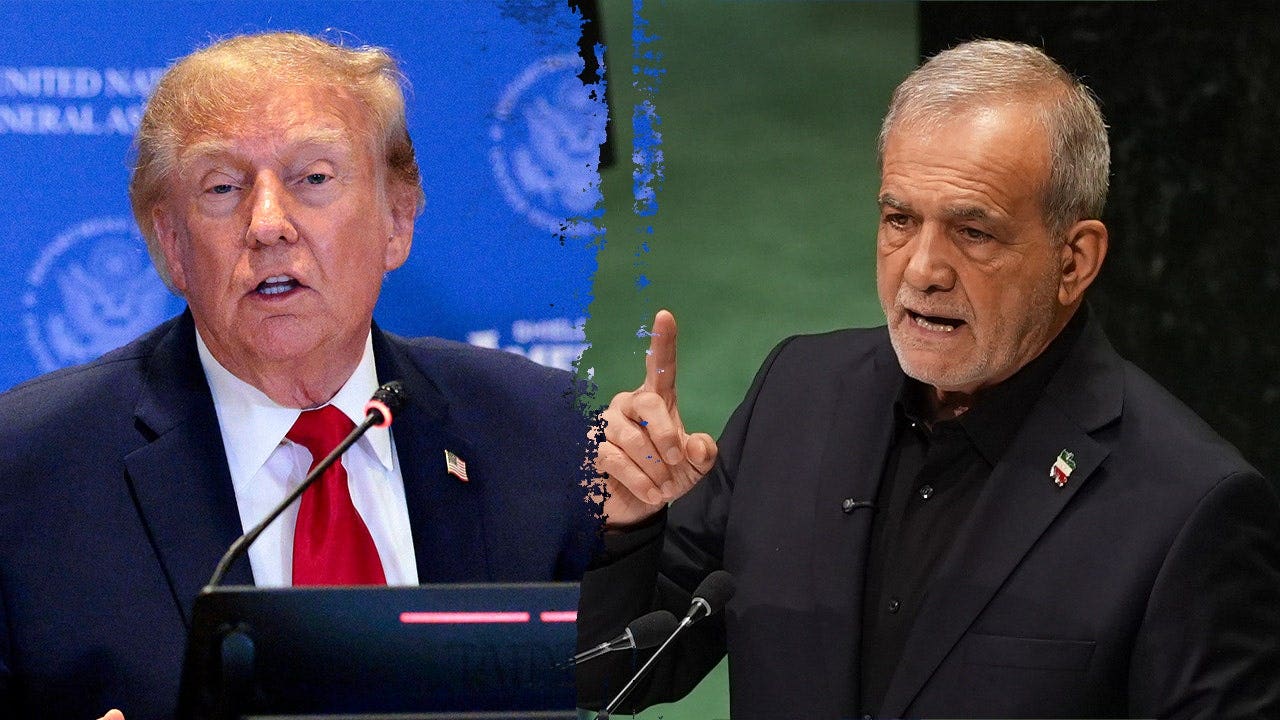
Cover image from foxnews.com, which was analyzed for this article
President Trump dismissed Iran's offer to reopen the Strait of Hormuz in exchange for sanctions relief, calling it unacceptable amid ongoing Middle East tensions. The move follows indirect talks and is tied to midterm political calculations.
PoliticalOS
Sunday, September 27, 2026 — Politics
The central unresolved issue is whether the United States will accept Iran's seven-day reopening plan or maintain economic and military pressure amid rising domestic fuel costs. Multiple outlets show the same rejection by Trump but differ sharply in how much weight they give to Iranian statements versus U.S. official assessments. Readers should track whether any future agreement includes verifiable mechanisms for sustained freedom of navigation rather than temporary arrangements.
What outlets missed
Most outlets gave limited attention to the specific logistical constraints on Iran's northern trade routes through the Caspian Sea, including documented drops in water levels of roughly 2 meters since the 1990s and resulting limits on vessel size. Few provided independent verification of daily oil transit volumes or the exact conditions listed in Iran's seven-day proposal beyond broad references to ceasefires and prior memoranda. Regional reactions from Oman and Russia received only passing mention despite their direct geographic and diplomatic stakes in the strait.
Gasoline prices have climbed to roughly $4.50 a gallon nationwide, the highest level recorded for this time of year, as the United States maintains control over the Strait of Hormuz during a seven-month conflict. Drivers and businesses feel the direct impact through higher fuel and transportation costs, while global energy markets watch the chokepoint that normally carries a large share of the world's oil. The immediate question is whether Washington will accept Tehran's latest proposal or continue the current approach.
Iran's Foreign Minister Abbas Araghchi described a seven-day plan under which passage through the strait would resume at the end of that period if certain conditions, including a broader Middle East ceasefire and steps tied to a prior memorandum, are met. President Trump stated on Saturday that he was rejecting the offer, saying it would not be acceptable. He noted that the United States holds control of the strait and that nearly 40 million barrels of oil had moved through it in the previous 48 hours. Iranian officials said they were still awaiting a formal response through mediators and would decide next steps once that arrives.
Secretary of State Marco Rubio and State Department spokesperson Tommy Pigott told reporters that economic pressure on Iran is increasing and that the administration sees no need to rush. Rubio acknowledged domestic costs but argued the price of allowing Iran a nuclear weapon would be higher. Trump told the United Nations General Assembly that Iranian leaders appear to be waiting for the November midterm elections, though he said the election does not factor into his decisions.
Republican candidates in competitive races have begun publicly urging an end to the fighting. Representative Ashley Hinson in Iowa called for an immediate conclusion, and former Representative Mike Rogers in Michigan released an advertisement stating the war needs to end. Other Republicans in tight contests have expressed similar frustration over fuel prices and mortgage rates that have reached seven percent. Treasury Secretary Scott Bessent reported new restrictions on Iranian airlines and banks, including actions by Turkey, Oman, and the United Arab Emirates.
Additional developments include Iranian Revolutionary Guard claims of capturing a U.S. underwater drone in the strait, Saudi strikes in Yemen reported by Houthi media, and Omani calls at the United Nations for restraint and dialogue. Russia stated readiness to assist in stabilizing the region. Commercial traffic through the strait remains disrupted compared with pre-conflict levels, though U.S. officials say volumes are rising daily.
The proposal Iran presented draws from an earlier memorandum reached in June that later collapsed over questions of traffic control. No joint announcement followed the three-hour meeting held this week in New York. Both sides have described the indirect talks as constructive but early-stage, with no verified details released on the exact conditions each side discussed.
More in Politics

Democrats Outline Post-Midterm Oversight of Trump Administration
If Democrats win the midterms, expansive investigations into Trump, his family, and administration are planned, with impeachment as a possible tool.
White House Drops CNN from Air Force One Pool After Court Ruling
The Trump administration barred CNN from the presidential travel pool for a trip to Tennessee, escalating a dispute over media access despite a recent court order restoring some outlets' White House credentials. Left-leaning outlets framed it as a First Amendment crisis while right-leaning sources portrayed it as justified pushback against biased coverage.
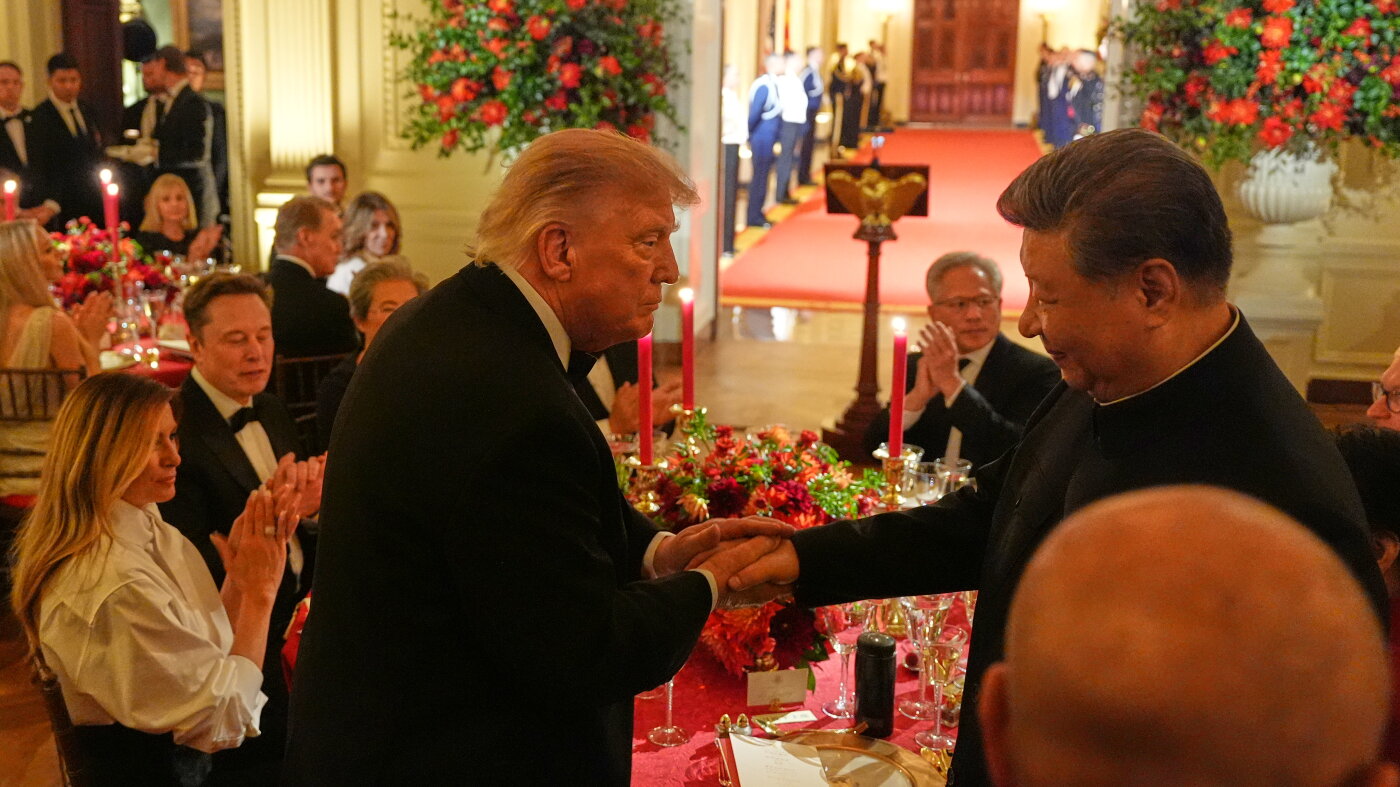
Trump Hosts Xi for State Dinner Focused on Pageantry Amid Trade and AI Strains
President Trump welcomed Chinese President Xi Jinping for high-profile talks on trade, tariffs, AI, and bilateral rivalry, featuring a White House tour and state dinner with tech executives. Coverage highlighted symbolic pomp over major breakthroughs, with both sides maintaining a cordial tone amid persistent tensions.

Trump Warns Iran of Annihilation While Confirming Direct Talks
President Trump warned of annihilating Iran if no deal ends the conflict but revealed productive direct US-Iran talks in New York. Coverage spans outlets across the spectrum discussing the first high-level meeting since June and potential post-midterm deal timing.
The Compass
You just read five takes on one story.
What's your take? Find your political shape in a few minutes.
Take the test