
Trump Rejects Iran's Seven-Day Hormuz Reopening Offer
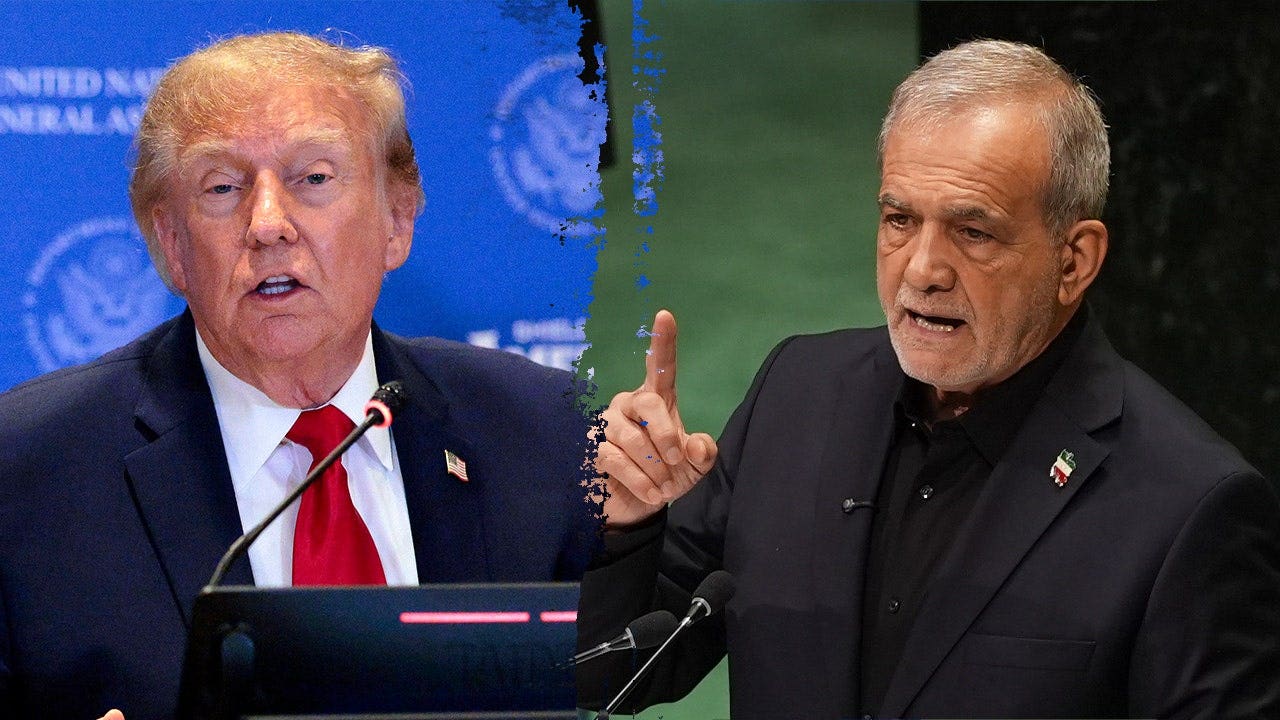
Cover image from foxnews.com, which was analyzed for this article
President Trump dismissed Iran's offer to reopen the Strait of Hormuz in exchange for sanctions relief, calling it unacceptable amid ongoing Middle East tensions. The move follows indirect talks and is tied to midterm political calculations.
PoliticalOS
Sunday, September 27, 2026 — Politics
The central unresolved issue is whether the United States will accept Iran's seven-day reopening plan or maintain economic and military pressure amid rising domestic fuel costs. Multiple outlets show the same rejection by Trump but differ sharply in how much weight they give to Iranian statements versus U.S. official assessments. Readers should track whether any future agreement includes verifiable mechanisms for sustained freedom of navigation rather than temporary arrangements.
What outlets missed
Most outlets gave limited attention to the specific logistical constraints on Iran's northern trade routes through the Caspian Sea, including documented drops in water levels of roughly 2 meters since the 1990s and resulting limits on vessel size. Few provided independent verification of daily oil transit volumes or the exact conditions listed in Iran's seven-day proposal beyond broad references to ceasefires and prior memoranda. Regional reactions from Oman and Russia received only passing mention despite their direct geographic and diplomatic stakes in the strait.
Trump Rejects Iranian Offer to Reopen Strait of Hormuz Amid Ongoing Conflict
President Donald Trump has dismissed a reported Iranian proposal to reopen the Strait of Hormuz within seven days in exchange for eased sanctions and reduced military pressure. The decision comes after nearly seven months of war that began February 28 and has disrupted global energy routes while driving up fuel costs in the United States.
Iranian negotiators floated the timeline during talks at the United Nations this week. Trump administration officials described the offer as unacceptable and indicated that any arrangement must address broader security concerns rather than provide temporary relief. State Department principal deputy spokesperson Tommy Pigott stated that the president holds the stronger position as sanctions continue to limit Iranian oil exports and access to hard currency.
The economic effects of the blockade are visible. The national average for regular gasoline reached 4.49 dollars per gallon as of Friday according to AAA data up from 3.16 dollars a year earlier. Analysts link the increase directly to volatility in the Strait of Hormuz and reduced crude supplies. Secretary of State Marco Rubio acknowledged domestic costs but argued that the long-term price of allowing Iran to advance its nuclear capabilities would exceed short-term burdens.
Iran has responded by attempting to reroute trade northward through the Caspian Sea. Officials in Tehran report plans to expand use of northern ports for oil exports and essential imports. However experts note logistical limits including declining water levels in the Caspian that have already dropped about two meters since the 1990s and are projected to fall further. Shipping capacity remains constrained by vessel size and regional infrastructure.
Additional developments underscore the conflict's reach. Iran's Revolutionary Guards announced the capture of an American underwater drone in the Strait of Hormuz through what they described as a coordinated intelligence and electronic warfare operation. In Yemen Houthi media reported a Saudi airstrike in Taiz that killed seven people and wounded dozens more in a marketplace. The Houthis have seized Yemen's Red Sea coast and imposed their own blockade on Saudi energy shipments.
Republican candidates facing midterm elections have begun to distance themselves from the war. Several in competitive Senate races have called for an immediate end to hostilities citing rising energy prices and broader inflation that has pushed mortgage rates to seven percent. Former Representative Mike Rogers and Representative Ashley Hinson both issued statements urging resolution while the administration maintains that sustained pressure remains the most effective path to altering Iranian behavior.
The regime in Tehran has shown signs of strain through suspended airline routes and disrupted aviation services following expanded U.S. sanctions. Iranian officials have historically resisted concessions yet current signals suggest the blockade has limited export revenues and complicated daily operations. Administration sources argue that easing restrictions now would allow the leadership to regroup without fundamental changes to its regional posture.
You just read Conservative's take. Want to read what actually happened?
More in Politics
Democrats Flip Senate, Expand House Majority in Midterms
Democrats flipped the Senate and expanded their House majority in a major rebuke to President Trump and Republicans. Key victories included multiple Senate seats and state-level wins that ended long-standing GOP dominance in places like Texas.
GOP Losses Spur Blame, Vance Distancing, 2028 Maneuvers
Republicans are pointing fingers internally after heavy losses, with Vice President JD Vance distancing himself from Trump over the Iran war and positioning for a potential 2028 run. Challengers within the party are already sensing opportunity.
Democrats Take House and Senate Amid Record Midterm Turnout
Democrats achieved decisive gains in the 2026 midterms, flipping seats to take control of both chambers. Coverage highlights historic turnout and implications for the Trump administration.
Democrats Take House and Senate, Constraining Trump
Democrats flipped both the House and Senate in a major rebuke to President Trump and Republicans. The results create divided government and set up battles over spending, oversight, and foreign policy for the remainder of Trump's term.
The Compass
You just read five takes on one story.
What's your take? Find your political shape in a few minutes.
Take the test