
Trump Rejects Iran's Seven-Day Hormuz Reopening Offer
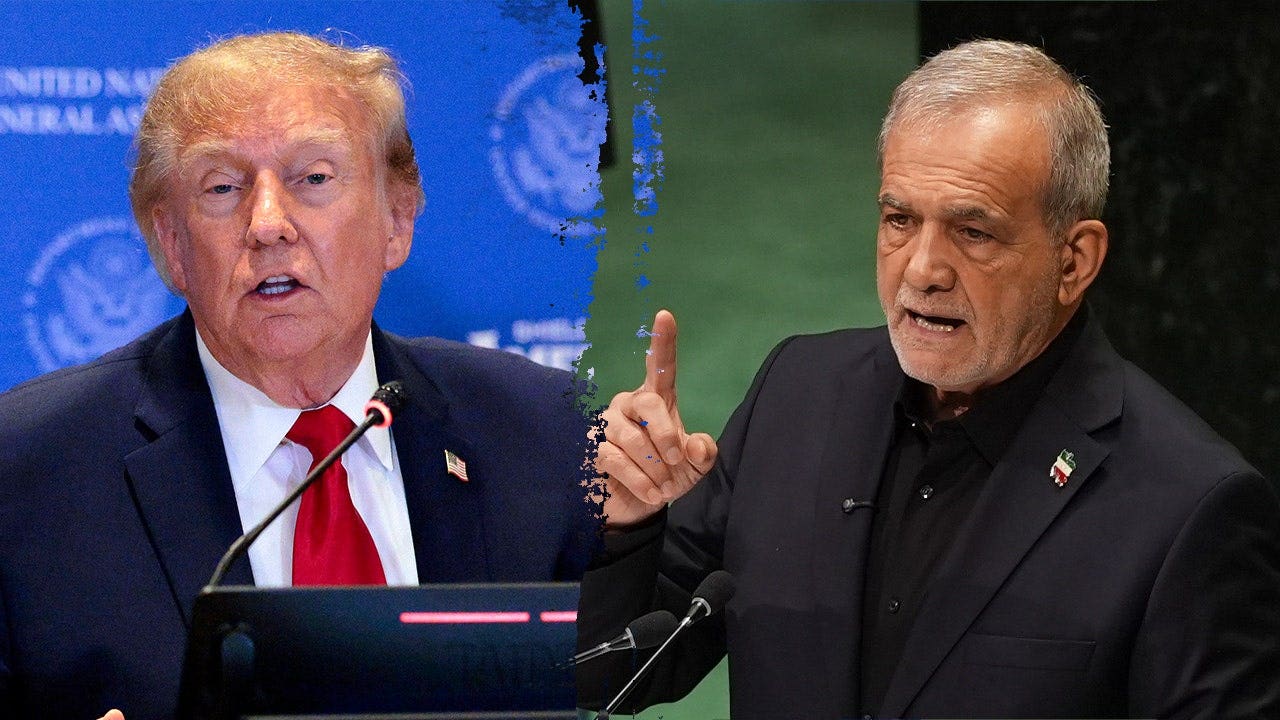
Cover image from foxnews.com, which was analyzed for this article
President Trump dismissed Iran's offer to reopen the Strait of Hormuz in exchange for sanctions relief, calling it unacceptable amid ongoing Middle East tensions. The move follows indirect talks and is tied to midterm political calculations.
PoliticalOS
Sunday, September 27, 2026 — Politics
The central unresolved issue is whether the United States will accept Iran's seven-day reopening plan or maintain economic and military pressure amid rising domestic fuel costs. Multiple outlets show the same rejection by Trump but differ sharply in how much weight they give to Iranian statements versus U.S. official assessments. Readers should track whether any future agreement includes verifiable mechanisms for sustained freedom of navigation rather than temporary arrangements.
What outlets missed
Most outlets gave limited attention to the specific logistical constraints on Iran's northern trade routes through the Caspian Sea, including documented drops in water levels of roughly 2 meters since the 1990s and resulting limits on vessel size. Few provided independent verification of daily oil transit volumes or the exact conditions listed in Iran's seven-day proposal beyond broad references to ceasefires and prior memoranda. Regional reactions from Oman and Russia received only passing mention despite their direct geographic and diplomatic stakes in the strait.
Trump Stands Firm Against Iran Deal as Gas Prices Soar
President Trump rejected Iran's proposal for a seven-day reopening of the Strait of Hormuz in exchange for eased sanctions, according to administration officials speaking after three hours of talks at the United Nations. The offer came as Tehran faces mounting economic isolation from the US naval blockade and secondary sanctions that have slashed its oil exports and disrupted airline services.
Iranian officials floated the plan through negotiators in New York, suggesting they could clear the vital waterway within a week if Washington lifted its economic pressure and released frozen assets. Trump dismissed the timeline outright. State Department principal deputy spokesperson Tommy Pigott said the president holds all the cards and sees no reason to reward a regime already under severe strain.
The rejection arrives against a backdrop of clear domestic costs. The national average for regular gasoline hit $4.49 per gallon on Friday, up sharply from $3.16 a year earlier, according to AAA data. Analysts tied the spike directly to volatility in the Strait of Hormuz and restricted crude flows. Heating oil and diesel prices have followed the same upward path, feeding into broader inflation that pushed mortgage rates to seven percent.
Iran appears to be scrambling for alternatives. Revolutionary Guards forces announced they captured an advanced American underwater drone in the strait through a coordinated operation involving electronic warfare. Separately, Tehran has begun rerouting trade through northern Caspian Sea ports to bypass the southern blockade, though experts note declining water levels and limited vessel capacity constrain that option. Houthi allies in Yemen, backed by Iran, have tightened their own restrictions on Saudi energy shipments.
Sanctions are delivering measurable effects beyond oil. The United Arab Emirates suspended flights by Iranian carriers, and similar disruptions hit routes to Iraq. American warnings to fuel suppliers and ticket agents have isolated Iran's aviation sector further. These steps align with a strategy of sustained pressure rather than quick concessions.
Republican candidates facing midterm voters have begun to voice frustration with the war's length and expense. Senate nominee Ashley Hinson in Iowa called for an immediate end to the fighting, citing rising costs. Former Representative Mike Rogers in Michigan released an ad declaring the conflict needs to end. Both moves reflect polling concerns that prolonged engagement is weighing on the party's prospects.
Administration voices maintain that backing down now would only allow the Iranian regime to regroup. The mullahs' economy is already squeezed, their oil revenue choked, and their regional proxies stretched. Officials argue that any deal must deliver lasting security gains rather than temporary breathing room. With no breakthrough after the latest round of talks, the standoff continues.
You just read America First's take. Want to read what actually happened?
More in Politics
Democrats Flip Senate, Expand House Majority in Midterms
Democrats flipped the Senate and expanded their House majority in a major rebuke to President Trump and Republicans. Key victories included multiple Senate seats and state-level wins that ended long-standing GOP dominance in places like Texas.
GOP Losses Spur Blame, Vance Distancing, 2028 Maneuvers
Republicans are pointing fingers internally after heavy losses, with Vice President JD Vance distancing himself from Trump over the Iran war and positioning for a potential 2028 run. Challengers within the party are already sensing opportunity.
Democrats Take House and Senate Amid Record Midterm Turnout
Democrats achieved decisive gains in the 2026 midterms, flipping seats to take control of both chambers. Coverage highlights historic turnout and implications for the Trump administration.
Democrats Take House and Senate, Constraining Trump
Democrats flipped both the House and Senate in a major rebuke to President Trump and Republicans. The results create divided government and set up battles over spending, oversight, and foreign policy for the remainder of Trump's term.
The Compass
You just read five takes on one story.
What's your take? Find your political shape in a few minutes.
Take the test