
Trump Rejects Iran's Seven-Day Hormuz Reopening Offer
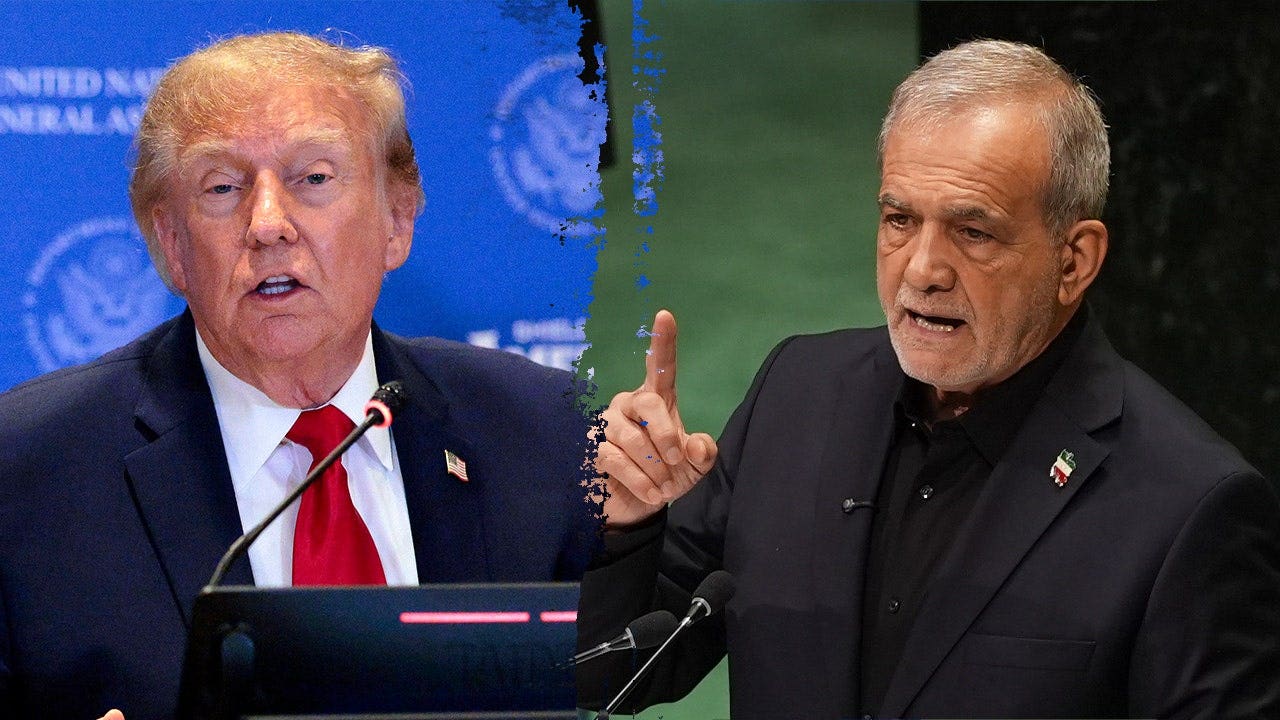
Cover image from foxnews.com, which was analyzed for this article
President Trump dismissed Iran's offer to reopen the Strait of Hormuz in exchange for sanctions relief, calling it unacceptable amid ongoing Middle East tensions. The move follows indirect talks and is tied to midterm political calculations.
PoliticalOS
Sunday, September 27, 2026 — Politics
The central unresolved issue is whether the United States will accept Iran's seven-day reopening plan or maintain economic and military pressure amid rising domestic fuel costs. Multiple outlets show the same rejection by Trump but differ sharply in how much weight they give to Iranian statements versus U.S. official assessments. Readers should track whether any future agreement includes verifiable mechanisms for sustained freedom of navigation rather than temporary arrangements.
What outlets missed
Most outlets gave limited attention to the specific logistical constraints on Iran's northern trade routes through the Caspian Sea, including documented drops in water levels of roughly 2 meters since the 1990s and resulting limits on vessel size. Few provided independent verification of daily oil transit volumes or the exact conditions listed in Iran's seven-day proposal beyond broad references to ceasefires and prior memoranda. Regional reactions from Oman and Russia received only passing mention despite their direct geographic and diplomatic stakes in the strait.
Trump Turns Down Iranian Proposal to Reopen Hormuz as War Costs Mount at Home
President Donald Trump has rejected an Iranian offer to reopen the Strait of Hormuz within seven days in exchange for eased sanctions, according to officials familiar with the talks at the United Nations. The decision comes after three hours of negotiations this week produced no breakthrough, leaving the nearly seven-month conflict between the US, Israel and Iran without a clear path forward.
Iranian negotiators floated the timeline during discussions in New York, tying any reopening of the vital shipping lane to a reduction in US military pressure and a partial lifting of the economic blockade. Trump administration officials described the proposal as unacceptable. State Department principal deputy spokesperson Tommy Pigott said the president holds all the cards, signaling continued confidence in the pressure campaign even as domestic fuel prices climb.
The national average for regular gasoline hit $4.49 per gallon on Friday, the highest level recorded for this time of year, according to AAA data. The jump from $3.16 a year earlier has been driven by the Hormuz blockade and elevated crude prices. Secretary of State Marco Rubio acknowledged the burden, telling reporters the costs are real yet insisting the alternative of allowing Iran further nuclear progress would prove far worse for future generations.
Republicans facing tight midterm races are already feeling the political heat. Several candidates who once backed the war have shifted tone. Representative Ashley Hinson of Iowa called for an immediate end to the fighting, citing frustration with rising costs. Former Representative Mike Rogers, running for Senate in Michigan, released an ad declaring the conflict needs to end. Polling trends show the war dragging down GOP prospects in competitive districts as voters confront higher gasoline, diesel and heating oil prices alongside mortgage rates near seven percent.
Meanwhile, Iran is adapting to the blockade by shifting some trade northward through Caspian Sea ports. Tehran has explored routes via Russia, Azerbaijan, Kazakhstan and Turkmenistan, though experts note declining water levels and vessel size limits pose serious logistical hurdles. Iranian officials also claimed to have seized a US underwater drone in the Strait of Hormuz through electronic warfare and intelligence operations.
The fighting has spilled into Yemen, where a Saudi airstrike on a marketplace in Taiz reportedly killed seven people and wounded dozens more, according to Houthi media. The Houthis, backed by Iran, have seized Yemen's Red Sea coast and imposed their own blockade on Saudi energy exports.
Trump addressed the UN General Assembly earlier this week, warning he might annihilate Iran if no deal emerges. Administration sources say they view Iran's outreach as a sign that sanctions are biting, yet the rejection of the seven-day timeline suggests little appetite for quick concessions. With no resolution in sight, the economic and political strain inside the United States continues to grow.
You just read Progressive's take. Want to read what actually happened?
More in Politics
Democrats Flip Senate, Expand House Majority in Midterms
Democrats flipped the Senate and expanded their House majority in a major rebuke to President Trump and Republicans. Key victories included multiple Senate seats and state-level wins that ended long-standing GOP dominance in places like Texas.
GOP Losses Spur Blame, Vance Distancing, 2028 Maneuvers
Republicans are pointing fingers internally after heavy losses, with Vice President JD Vance distancing himself from Trump over the Iran war and positioning for a potential 2028 run. Challengers within the party are already sensing opportunity.
Democrats Take House and Senate Amid Record Midterm Turnout
Democrats achieved decisive gains in the 2026 midterms, flipping seats to take control of both chambers. Coverage highlights historic turnout and implications for the Trump administration.
Democrats Take House and Senate, Constraining Trump
Democrats flipped both the House and Senate in a major rebuke to President Trump and Republicans. The results create divided government and set up battles over spending, oversight, and foreign policy for the remainder of Trump's term.
The Compass
You just read five takes on one story.
What's your take? Find your political shape in a few minutes.
Take the test