
Trump Halts Iran Strikes Pending Rapid Deal on Hormuz, Nuclear Threat
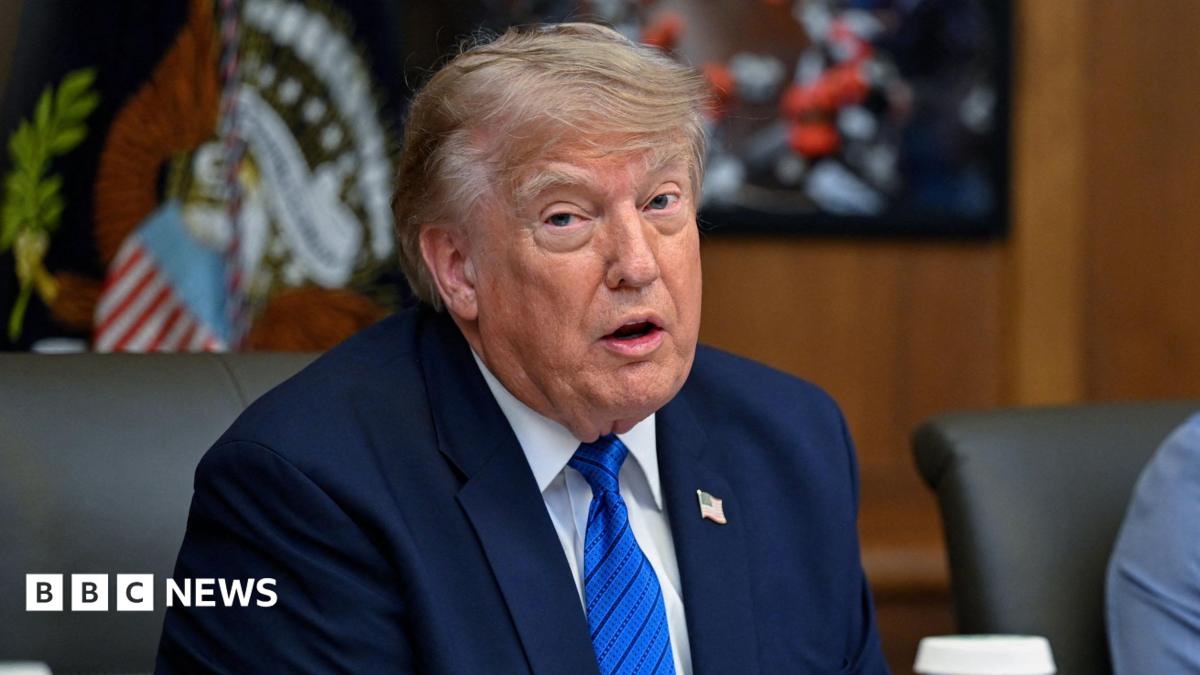
Cover image from bbc.co.uk, which was analyzed for this article
President Trump announced he would halt planned military action against Iran after reaching the outlines of a deal to end the conflict, with involvement from Saudi Arabia and other allies. Coverage spans multiple outlets confirming the development and its diplomatic implications.
PoliticalOS
Sunday, August 2, 2026 — Politics
The core development remains a conditional pause announced by Trump that hinges on an unconfirmed deal to reopen Hormuz and address Iran's nuclear program. Iran has rejected the premise that it requested the pause, and no agreement has been finalized. Readers should track whether mediation produces verifiable steps on navigation and nuclear limits or whether the pattern of temporary halts continues.
What outlets missed
Several outlets omitted the breadth of regional coordination claimed in Trump's post, including explicit involvement from Qatar, UAE, Bahrain, Kuwait, Jordan and Egypt alongside Saudi Arabia, Pakistan and Turkey. Coverage rarely detailed the specific sequence of recent incidents, including the Iranian missile attack on U.S. forces earlier in the week and the subsequent U.S. response against proxies in Iraq. Few reports examined the munitions depletion concerns raised by U.S. military officials or the precise terms of the June ceasefire that collapsed over navigation rules in Hormuz. The unverified status of Trump's assertion that Iran itself requested the pause was noted but not always contrasted with the breadth of other countries cited.
Trump Claims Pause on Iran Strikes After Regional Pressure but Faces Iranian Denial
President Donald Trump announced on Saturday that the United States and Israel would hold off on new strikes against Iran, citing requests from Tehran and other Middle Eastern nations for time to finalize a rapid deal to end the five-month conflict. The move followed reports of planned attacks on Iranian energy infrastructure and came as the Strait of Hormuz remained closed, disrupting global energy flows.
Trump posted on his Truth Social platform that the United States was prepared to act with overwhelming force but had agreed to cancel the operation after being asked to stand down. He specified that any agreement must include the immediate reopening of the Strait of Hormuz and an end to Iran's nuclear program. Israel joined the commitment, according to the post, which also warned that American forces remain ready to strike if needed.
Iran quickly rejected the account. Mehr news agency, citing military officials, described Trump's claim that Tehran had requested the pause as a lie and stated that Iranian forces were on high alert. Acting Defense Minister Seyyed Majid Ibn al-Reza said every threat would be treated as credible despite any psychological elements, adding that the country would not be caught off guard.
Saudi Arabia's Crown Prince Mohammed bin Salman spoke with Trump by phone, emphasizing the need for dialogue to reduce tensions and avoid wider conflict, according to the kingdom's state news agency. Iranian officials also consulted with mediators in Pakistan and Turkey about the risks of escalation. These contacts occurred after earlier reports that Washington and Tel Aviv were preparing heavier strikes.
The conflict, now in its 156th day, began with joint U.S. and Israeli operations against Iran on February 28. Previous pauses announced by Trump have given way to renewed fighting. Shipping in the Red Sea continues to face disruption from Iran-backed Houthis in Yemen, compounding economic pressures already felt from the closed Strait of Hormuz.
Regional officials involved in mediation efforts described the current proposal as calling for renewed negotiations, a halt to attacks by Iranian-aligned militias on Gulf states and Jordan, and the lifting of the U.S. naval blockade on Iran in exchange for oil export permissions. No final agreement has been reached, and talks remain ongoing.
Trump has issued similar warnings followed by diplomatic overtures in the past, leaving the durability of the latest pause uncertain. The Iranian military's public posture suggests skepticism that the immediate threat has fully receded.
You just read Progressive's take. Want to read what actually happened?
More in Politics
Democrats Flip Senate, Expand House Majority in Midterms
Democrats flipped the Senate and expanded their House majority in a major rebuke to President Trump and Republicans. Key victories included multiple Senate seats and state-level wins that ended long-standing GOP dominance in places like Texas.
GOP Losses Spur Blame, Vance Distancing, 2028 Maneuvers
Republicans are pointing fingers internally after heavy losses, with Vice President JD Vance distancing himself from Trump over the Iran war and positioning for a potential 2028 run. Challengers within the party are already sensing opportunity.
Democrats Take House and Senate Amid Record Midterm Turnout
Democrats achieved decisive gains in the 2026 midterms, flipping seats to take control of both chambers. Coverage highlights historic turnout and implications for the Trump administration.
Democrats Take House and Senate, Constraining Trump
Democrats flipped both the House and Senate in a major rebuke to President Trump and Republicans. The results create divided government and set up battles over spending, oversight, and foreign policy for the remainder of Trump's term.
The Compass
You just read five takes on one story.
What's your take? Find your political shape in a few minutes.
Take the test