
Trump Claims Iran Talks Underway, Tehran Denies Direct Contact
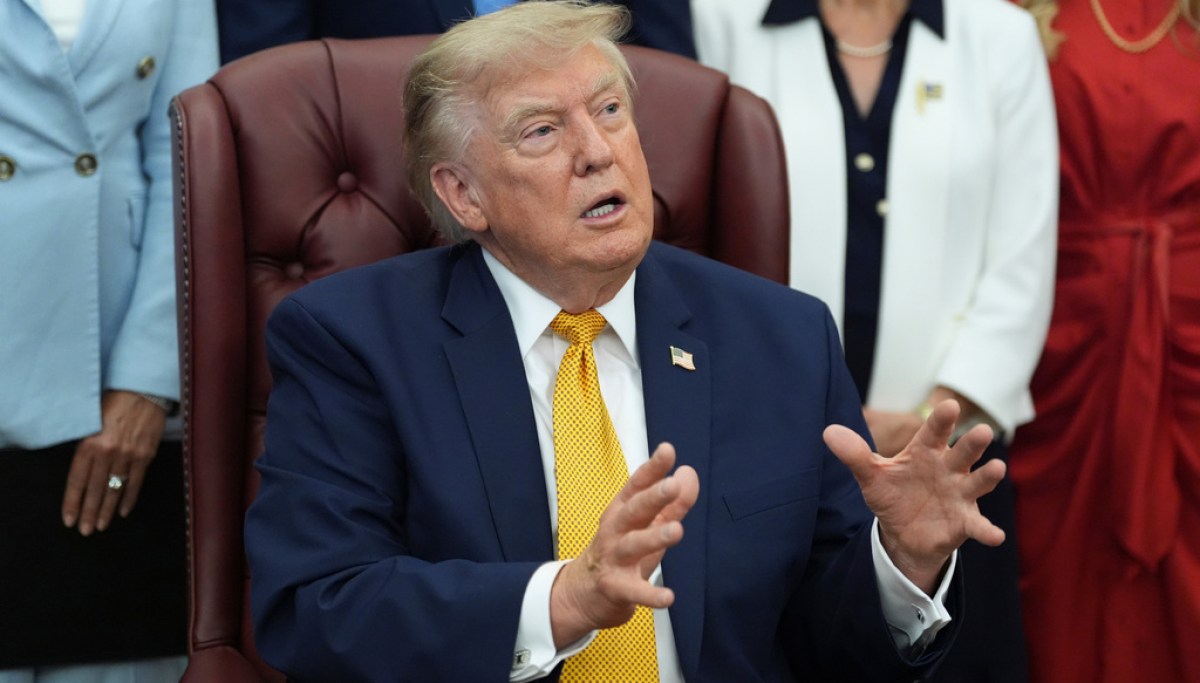
Cover image from washingtonexaminer.com, which was analyzed for this article
President Trump calls ongoing talks with Iran a 'last chance' before potential military action, while expressing optimism about reopening the Strait of Hormuz amid reports of near-deals involving service fees.
PoliticalOS
Tuesday, August 4, 2026 — Politics
The core unresolved issue remains whether direct U.S.-Iran negotiations exist or whether contacts stay confined to Oman on Hormuz routing and fees, with shipping attacks continuing and no independent confirmation resolving the conflicting accounts from both governments.
What outlets missed
Multiple outlets omitted the documented June 2026 creation of an Iran-Oman joint working group on Hormuz navigation and fees, which provides concrete basis for Tehran's claim of bilateral talks rather than simple denial. Pre-war shipping lanes already divided the strait into a northern Iranian route and southern Omani route, a geographic fact that frames proposed changes as adjustments rather than new control regimes. Iranian strikes on vessels in the period before April deadlines, confirmed by maritime tracking and insurance data, preceded U.S. Hormuz warnings but received little coverage. Oil price movements showed Brent closing down 3.79 percent on August 4 in some records, contradicting reports of a 2.7 percent rise tied directly to diplomacy.
Trump Issues Fresh Ultimatum to Iran Over Hormuz Route Amid Fresh Denials
President Donald Trump on Monday described ongoing diplomatic contacts with Iran as the final opportunity for Tehran to accept terms on reopening the Strait of Hormuz, even as Iranian officials rejected any direct negotiations with Washington and said they were discussing a temporary shipping arrangement solely with Oman.
Trump told reporters in the Oval Office that Iran had requested the latest round of talks and warned that the window would close quickly. He described the situation as straightforward, centered on restoring traffic through the waterway that carries roughly one-fifth of global oil shipments in normal times. In a Truth Social post earlier that day he labeled Iranian leaders unbelievably duplicitous for publicly denying the contacts while engaging in them.
Iranian Foreign Ministry spokesman Esmail Baghaei countered that no negotiations with the United States were taking place. Tehran instead confirmed talks with Oman aimed at establishing a short-term route through Iranian territorial waters for vessels entering the strait and a path near Omani waters for those exiting. Iranian negotiator Saeed Ajorlu told state broadcaster IRIB that the arrangement would last one to three months and that Iran intended to retain dominant control rather than return to the pre-conflict status quo.
Qatari officials confirmed they were working with Pakistan and Oman to exchange drafts between the two sides, lending some credence to reports of indirect channels. Oil prices rose more than 2 percent on Tuesday after another cargo vessel was struck near the Omani coast, according to the United Kingdom Maritime Trade Operations Center. Brent crude later eased as the mediation reports circulated.
The latest exchange fits a pattern that has repeated throughout the five-month conflict. Trump has issued multiple deadlines and apocalyptic warnings, only to step back at the final hour and announce pauses or new talks. Iranian President Masoud Pezeshkian stated that his country would continue to defend its borders without seeking wider escalation.
The proposed service fee arrangement reported by Iranian and U.S. officials would require ships to follow designated paths and pay both Tehran and Muscat for security and environmental costs. Washington has not confirmed whether such fees form part of any U.S.-backed proposal. Traffic through the strait remains far below peacetime levels, keeping energy markets volatile.
Both sides continue to trade accusations of bad faith while mediators shuttle messages. The immediate future of the waterway now rests on whether the narrow diplomatic track can produce an agreement before the next incident or deadline resets the clock once more.
You just read Progressive's take. Want to read what actually happened?
More in Politics
Democrats Flip Senate, Expand House Majority in Midterms
Democrats flipped the Senate and expanded their House majority in a major rebuke to President Trump and Republicans. Key victories included multiple Senate seats and state-level wins that ended long-standing GOP dominance in places like Texas.
GOP Losses Spur Blame, Vance Distancing, 2028 Maneuvers
Republicans are pointing fingers internally after heavy losses, with Vice President JD Vance distancing himself from Trump over the Iran war and positioning for a potential 2028 run. Challengers within the party are already sensing opportunity.
Democrats Take House and Senate Amid Record Midterm Turnout
Democrats achieved decisive gains in the 2026 midterms, flipping seats to take control of both chambers. Coverage highlights historic turnout and implications for the Trump administration.
Democrats Take House and Senate, Constraining Trump
Democrats flipped both the House and Senate in a major rebuke to President Trump and Republicans. The results create divided government and set up battles over spending, oversight, and foreign policy for the remainder of Trump's term.
The Compass
You just read five takes on one story.
What's your take? Find your political shape in a few minutes.
Take the test