
Trump to Lift 10% Tariff on Irish Whiskey After Repeated Requests
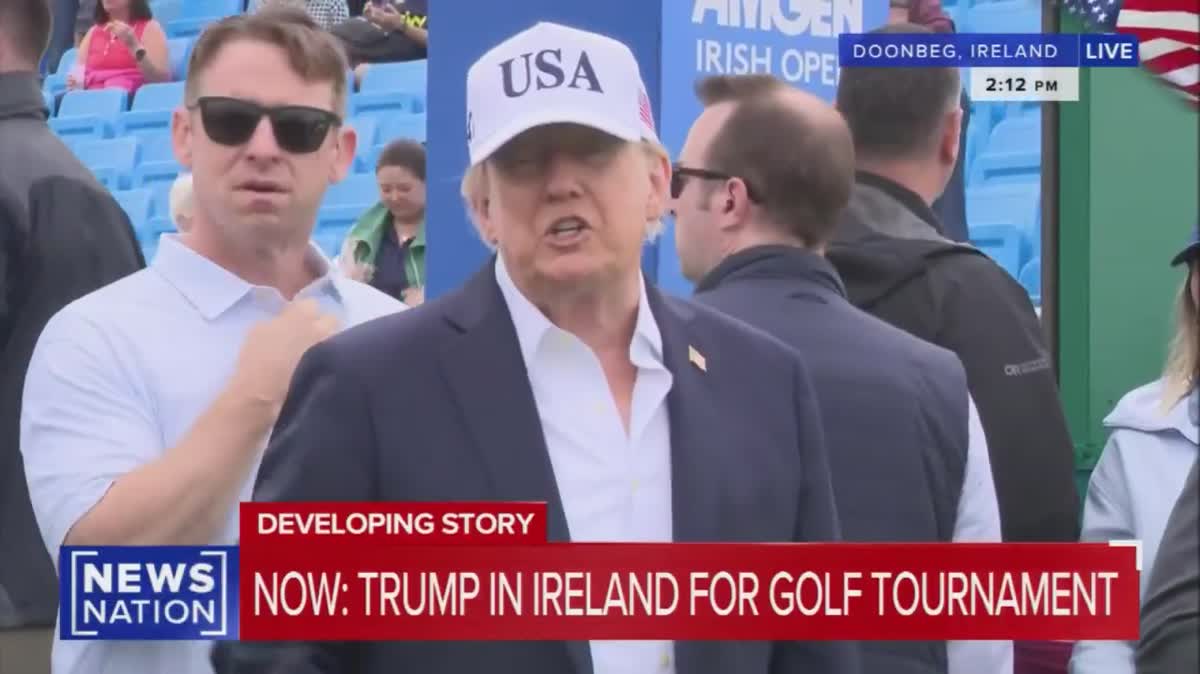
Cover image from crooksandliars.com, which was analyzed for this article
Trump removed a 10% tariff on Irish whiskey citing requests from Irish leaders. Remarks on reunification also drew attention during the visit.
PoliticalOS
Monday, September 14, 2026 — Politics
Trump linked the tariff removal directly to repeated requests during his Ireland visit, reversing an imbalance created by the earlier U.K. whiskey exemption. The move received positive industry reaction but left timing and wider trade effects unresolved.
What outlets missed
No outlet provided details on the broader context of U.S.-EU trade negotiations that produced the original tariffs or any reactions from European Commission officials. Coverage also omitted any mention of potential effects on American whiskey exporters facing retaliatory measures. The unverified reference to remarks on Irish reunification during the same trip appeared in the topic summary but received no confirmation or sourcing from either outlet.
Trump Drops Irish Whiskey Tariff After Crowds Push Back
President Donald Trump announced Sunday that he would lift the 10 percent tariff on Irish whiskey following repeated complaints during his visit to Ireland. The decision came at the close of the Irish Open golf tournament in Doonbeg, where Trump said the issue had been raised by nearly everyone he encountered, from Irish Prime Minister Micheál Martin to players on the course.
Trump described the pressure in plain terms during the trophy presentation. "Everybody's been bugging me" about the tariff, he told the crowd. He then stated that on behalf of the United States he would remove it. The announcement drew loud cheers and whistles from spectators at the event.
The tariff had applied to Irish whiskey as part of broader duties on European Union goods. It stood at 15 percent earlier but was lowered to 10 percent in July. In April, Trump had already eased certain tariffs on whiskey from the United Kingdom, which covers Scotch and spirits produced in Northern Ireland. That step created an uneven playing field for distillers in the Republic of Ireland, and the imbalance drew steady complaints from Irish officials and industry voices.
Trump's move addresses that gap directly. Irish whiskey producers had faced the same duties applied to other EU imports, even as competitors across the border in Northern Ireland gained relief. The sudden reversal at a high-profile golf event shows how quickly trade friction can shift when the complaints reach the top. Details on the exact timing of the change remain unclear, but the announcement itself signals an end to the extra cost that had been layered onto one of Ireland's signature exports.
The episode underscores how tariffs meant to pressure trading partners can circle back and affect everyday products Americans enjoy. Whiskey is not a strategic good, and the duties had little to do with protecting domestic manufacturing in any serious sense. Instead, they added cost at the retail level while creating awkward differences between Irish and British products on the same shelf. Trump's decision cuts through that tangle after direct feedback on the ground.
Critics have long argued that broad tariffs on allies generate more headaches than leverage. In this case, the complaints came not just from diplomats but from golfers and fans at a sporting event, illustrating how these policies touch ordinary trade in consumer goods. Removing the tariff restores balance without fanfare or lengthy negotiations. It also aligns with Trump's pattern of adjusting trade measures when they produce clear distortions rather than sticking to rigid positions for their own sake.
For Irish distillers, the change removes an artificial penalty that had favored their northern neighbors. For American consumers, it means fewer added costs on a popular import. The decision was made in public view at a golf course rather than in a closed room, reflecting a preference for straightforward fixes over drawn-out process. Whether the relief holds or expands to other products remains to be seen, but the whiskey tariff at least is set to end.
You just read America First's take. Want to read what actually happened?
More in Politics
Democrats Flip Senate, Expand House Majority in Midterms
Democrats flipped the Senate and expanded their House majority in a major rebuke to President Trump and Republicans. Key victories included multiple Senate seats and state-level wins that ended long-standing GOP dominance in places like Texas.
GOP Losses Spur Blame, Vance Distancing, 2028 Maneuvers
Republicans are pointing fingers internally after heavy losses, with Vice President JD Vance distancing himself from Trump over the Iran war and positioning for a potential 2028 run. Challengers within the party are already sensing opportunity.
Democrats Take House and Senate Amid Record Midterm Turnout
Democrats achieved decisive gains in the 2026 midterms, flipping seats to take control of both chambers. Coverage highlights historic turnout and implications for the Trump administration.
Democrats Take House and Senate, Constraining Trump
Democrats flipped both the House and Senate in a major rebuke to President Trump and Republicans. The results create divided government and set up battles over spending, oversight, and foreign policy for the remainder of Trump's term.
The Compass
You just read five takes on one story.
What's your take? Find your political shape in a few minutes.
Take the test