
Trump Backs Marshall in Kansas Senate Race Tightened by Farm Costs
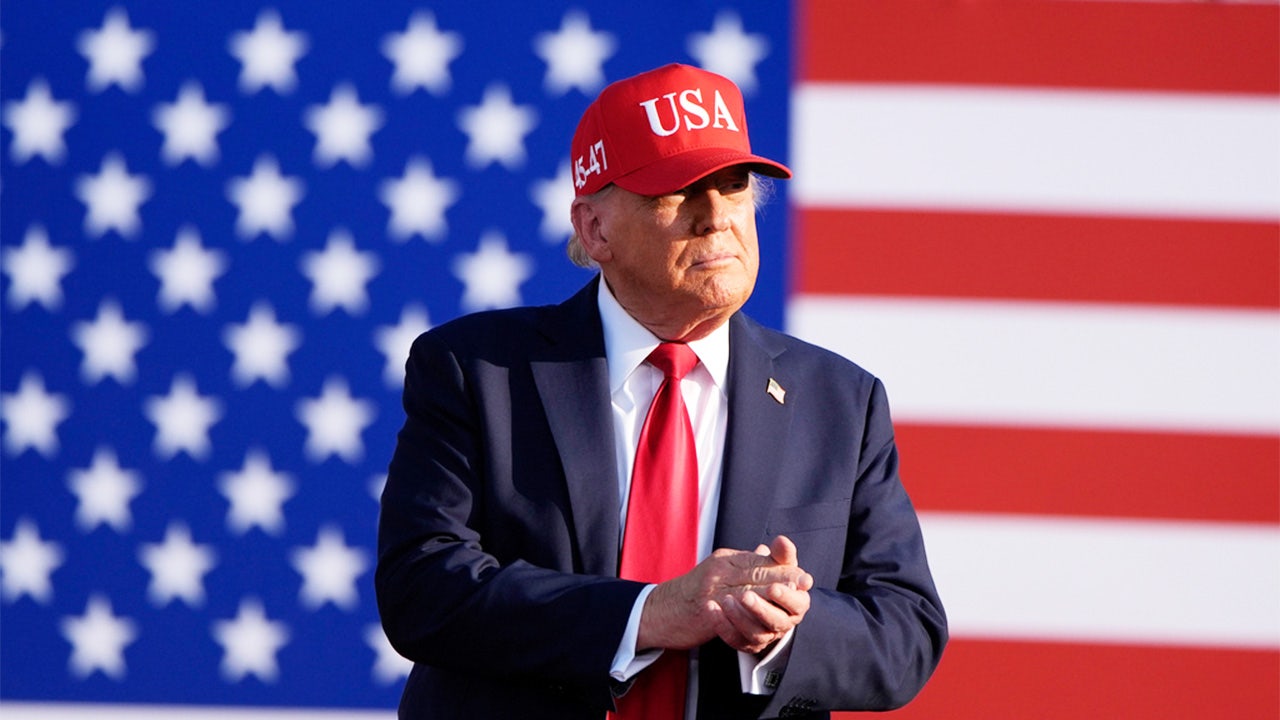
Cover image from foxnews.com, which was analyzed for this article
President Trump rallied in deep-red Kansas for GOP Sen. Roger Marshall in a competitive race, announcing an $8 billion farm fuel relief program amid high diesel prices. Democrats see an opening to end 94 years of GOP dominance in the state.
PoliticalOS
Tuesday, October 20, 2026 — Politics
The Kansas Senate contest has drawn national attention because economic pressures on farmers coincide with unusually strong fundraising for the Democratic challenger. Trump’s fuel aid announcement and rally appearance aim to shore up support for Marshall, yet the absence of detailed polling leaves the actual closeness of the race unverified. Voters in both campaigns cite cost-of-living concerns as the dominant local issue.
What outlets missed
No outlet supplied historical vote margins from Kansas Senate or presidential races between 2016 and 2024 that would allow readers to judge whether current polling represents a genuine shift. Coverage also omitted any breakdown of how the new $8 billion fuel program would be distributed or how it compares in scale to the prior $12 billion aid round. Broader implications for Senate majority control received little attention despite the race's potential national weight.
Tight Kansas Senate Contest Tests Limits of Republican Dominance
Donald Trump returned to Kansas on Monday for his first campaign rally in the state in eight years, a visit that underscored the unexpected vulnerability of a longtime Republican stronghold. With the midterm elections three weeks away, the president used the appearance outside Wichita to urge support for Senator Roger Marshall, who faces a competitive challenge from Democrat Adam Hamilton. Polls show the race running close, a departure from the state’s consistent Republican results in Senate contests dating back to 1932.
Marshall, an obstetrician and former congressman, has aligned closely with Trump’s agenda. Hamilton, senior pastor at the nation’s largest United Methodist congregation, has positioned his campaign around calls for greater independence in Washington and greater attention to state-level concerns. Fundraising data released for the third quarter showed Hamilton raising $11 million compared with Marshall’s $800,000, giving the challenger resources for expanded advertising in the final weeks.
Trump won Kansas by 16 points in 2024, yet recent surveys indicate that advantage has not carried over to down-ballot races. The president acknowledged the state’s changing character during the rally, noting its existing Democratic governor and describing it as trending “purple.” Such comments reflect measurable erosion in Republican support rather than isolated polling noise. Voter registration trends and turnout patterns in suburban counties around Wichita and Kansas City have shifted modestly leftward in recent cycles, consistent with national suburban realignment observed in multiple states.
Economic pressures on agriculture add another layer. Diesel prices more than $2.50 per gallon above year-ago levels have increased operating costs for Kansas farmers, who also face volatile commodity markets. Trump announced additional farm aid during the visit, an effort to address immediate financial strain. Whether the package alters voter sentiment remains uncertain, given that similar targeted assistance in prior cycles produced mixed electoral returns.
Hamilton’s background as a pastor has allowed him to attract some Republican endorsements, including from two former GOP governors. His stump speeches emphasize institutional norms and constituent service over partisan loyalty, framing the contest as a referendum on representation rather than national ideology. Marshall’s record, by contrast, centers on alignment with the White House, a posture that has energized the base but left limited room to distance from unpopular federal policies.
The Kansas outcome will not determine control of the Senate on its own. Yet the resources and attention Republicans are now directing toward a seat long considered safe illustrate how narrow margins in traditionally red territory can constrain overall strategy. Historical winning streaks in Senate races rarely end abruptly, but sustained polling tightness and fundraising disparities suggest the 94-year Republican hold is under more pressure than structural advantages alone would predict. Turnout in the remaining weeks will determine whether that pressure produces an actual seat change.
You just read Liberal's take. Want to read what actually happened?
More in Politics
Democrats Flip Senate, Expand House Majority in Midterms
Democrats flipped the Senate and expanded their House majority in a major rebuke to President Trump and Republicans. Key victories included multiple Senate seats and state-level wins that ended long-standing GOP dominance in places like Texas.
GOP Losses Spur Blame, Vance Distancing, 2028 Maneuvers
Republicans are pointing fingers internally after heavy losses, with Vice President JD Vance distancing himself from Trump over the Iran war and positioning for a potential 2028 run. Challengers within the party are already sensing opportunity.
Democrats Take House and Senate Amid Record Midterm Turnout
Democrats achieved decisive gains in the 2026 midterms, flipping seats to take control of both chambers. Coverage highlights historic turnout and implications for the Trump administration.
Democrats Take House and Senate, Constraining Trump
Democrats flipped both the House and Senate in a major rebuke to President Trump and Republicans. The results create divided government and set up battles over spending, oversight, and foreign policy for the remainder of Trump's term.
The Compass
You just read five takes on one story.
What's your take? Find your political shape in a few minutes.
Take the test