
Trump Backs Marshall in Kansas Senate Race Tightened by Farm Costs
Cover image from foxnews.com, which was analyzed for this article
President Trump rallied in deep-red Kansas for GOP Sen. Roger Marshall in a competitive race, announcing an $8 billion farm fuel relief program amid high diesel prices. Democrats see an opening to end 94 years of GOP dominance in the state.
PoliticalOS
Tuesday, October 20, 2026 — Politics
The Kansas Senate contest has drawn national attention because economic pressures on farmers coincide with unusually strong fundraising for the Democratic challenger. Trump’s fuel aid announcement and rally appearance aim to shore up support for Marshall, yet the absence of detailed polling leaves the actual closeness of the race unverified. Voters in both campaigns cite cost-of-living concerns as the dominant local issue.
What outlets missed
No outlet supplied historical vote margins from Kansas Senate or presidential races between 2016 and 2024 that would allow readers to judge whether current polling represents a genuine shift. Coverage also omitted any breakdown of how the new $8 billion fuel program would be distributed or how it compares in scale to the prior $12 billion aid round. Broader implications for Senate majority control received little attention despite the race's potential national weight.
Trump Returns to Kansas Amid Fears of Historic Democratic Senate Victory
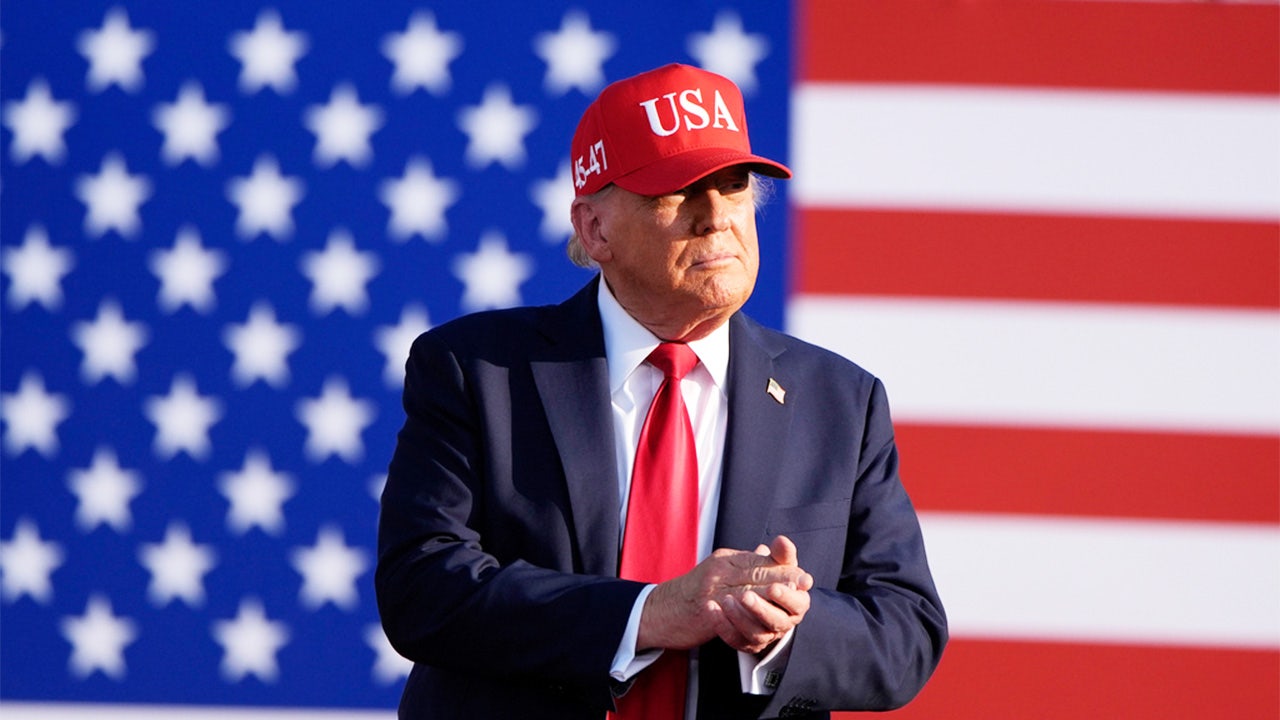
Donald Trump made his first campaign appearance in Kansas in eight years on Monday, a telling sign that Republicans view their hold on the state Senate seat as more fragile than at any point in nearly a century. The president spoke for 98 minutes to a crowd of roughly 5,000 supporters outside Wichita, repeatedly urging voters to back Republican incumbent Roger Marshall against Democrat Adam Hamilton.
No Democrat has won a Senate race in Kansas since 1932. Yet recent polling shows the two candidates running neck and neck, with Hamilton, a Methodist megachurch pastor, raising $11 million in the third quarter compared with Marshall’s $800,000. The financial gap reflects broader Republican anxiety heading into the November 3 midterms, as Trump’s own popularity in the state has slipped since he carried it by 16 points in 2024.
Trump himself acknowledged the shift, telling supporters that Kansas is “sort of tending toward the purple” and that he needed to ensure Marshall’s victory. The remark came during a rambling address punctuated by chants of “USA!” and occasional protests. The president framed the contest as a referendum on his own influence, asking the audience to treat him as though he were on the ballot.
Hamilton has leaned into his background as senior pastor of the nation’s largest United Methodist congregation, using it to reach voters wary of Trump-era rhetoric. He has repeatedly called on elected officials to show courage, compassion and humility, arguing that Marshall has instead served as a loyal spokesperson for the White House. Two former Republican governors have endorsed him, underscoring the unusual cross-party support in a state long considered safe Republican territory.
Marshall, an obstetrician-gynecologist and former congressman, has stood firmly with Trump on key issues, including repeated endorsement of claims about the 2020 election that courts have rejected. That alignment, once an asset in Kansas, now appears to be a liability in a race where independents and some traditional Republicans are showing openness to an alternative.
The contest is one of several Midwest races drawing national attention as Republicans defend seats in states Trump won comfortably two years ago. Democrats see an opportunity to end a 94-year drought in Kansas, a result that would signal deeper erosion of Trump’s coalition heading into the midterms. Hamilton’s campaign has stressed kitchen-table concerns, including rising diesel prices and farm costs, while positioning the challenger as someone willing to push back against Washington rather than echo it.
Whether those arguments translate into votes remains uncertain. Yet the simple fact of Trump’s return to the state, combined with the polling and fundraising numbers, already illustrates how much ground Republicans have lost in territory they once considered impregnable.
You just read Progressive's take. Want to read what actually happened?
More in Politics
Democrats Flip Senate, Expand House Majority in Midterms
Democrats flipped the Senate and expanded their House majority in a major rebuke to President Trump and Republicans. Key victories included multiple Senate seats and state-level wins that ended long-standing GOP dominance in places like Texas.
GOP Losses Spur Blame, Vance Distancing, 2028 Maneuvers
Republicans are pointing fingers internally after heavy losses, with Vice President JD Vance distancing himself from Trump over the Iran war and positioning for a potential 2028 run. Challengers within the party are already sensing opportunity.
Democrats Take House and Senate Amid Record Midterm Turnout
Democrats achieved decisive gains in the 2026 midterms, flipping seats to take control of both chambers. Coverage highlights historic turnout and implications for the Trump administration.
Democrats Take House and Senate, Constraining Trump
Democrats flipped both the House and Senate in a major rebuke to President Trump and Republicans. The results create divided government and set up battles over spending, oversight, and foreign policy for the remainder of Trump's term.
The Compass
You just read five takes on one story.
What's your take? Find your political shape in a few minutes.
Take the test