
Trump Administration Appeals USPS Mail Rules to Supreme Court
Cover image from thefederalist.com, which was analyzed for this article
White House seeks to lift block on USPS mail ballot restrictions as North Carolina begins mailing ballots. Critics warn of voting access issues ahead of midterms.
PoliticalOS
Friday, September 4, 2026 — Politics
The core dispute is whether the Postal Service may impose new tracking and verification rules on election mail that states have chosen to use, with the Supreme Court now asked to decide the timing and scope of those rules before November. Voters in North Carolina and other states can still request and return mail ballots while litigation continues.
What outlets missed
Neither outlet supplied the precise text of the USPS rules under appeal or the administration’s evidence of noncitizen voting attempts that prompted the executive order. Both omitted any comparison of rejection rates before and after the regional-hub postmarking change across multiple states. The Federalist article did not address North Carolina’s specific implementation timeline or voter confusion data; the Independent article did not examine Florida’s counting-speed results or the Ballots by Election Day Act’s provisions.
North Carolina Launches Mail Voting as Trump Administration Escalates Legal Assault on the Practice
North Carolina became the first state to begin broadly distributing mail ballots for this year's midterm elections on Friday, even as the Trump administration presses ahead with efforts to impose new restrictions through the courts. State officials confirmed that voting would move forward without interruption despite ongoing litigation and a recent Supreme Court procedural decision that favored the president's side.
The rollout comes amid widespread voter confusion stirred by President Trump's March executive order, which sought to add voter-list checks, ballot tracking requirements and tighter Postal Service rules. Trump has repeatedly attacked mail voting, falsely blaming it for his 2020 defeat, while continuing to use the method himself. Election administrators across the state have spent recent days fielding questions from residents unsure whether their ballots would still be accepted.
Mecklenburg County elections director Michael Dickerson said the primary problem has been public uncertainty created by the legal and political noise. He stressed that residents should have no doubt about their options. Officials in other counties echoed the message, noting that media coverage of the disputes has left many voters wondering if the process had already changed.
The administration appealed another lower-court ruling blocking parts of the executive order to the Supreme Court on Thursday, keeping the issue alive at the highest level. Litigation has so far prevented most of the proposed changes from taking effect, but the uncertainty has already complicated preparations in multiple states.
Republican lawmakers are simultaneously pushing new legislation that would require all mail ballots to arrive by the close of polls on Election Day. The Ballots by Election Day Act, introduced by Florida Representative Laurel Lee, would impose that deadline nationwide for federal contests. Supporters say it restores a clear endpoint to voting and prevents prolonged counts.
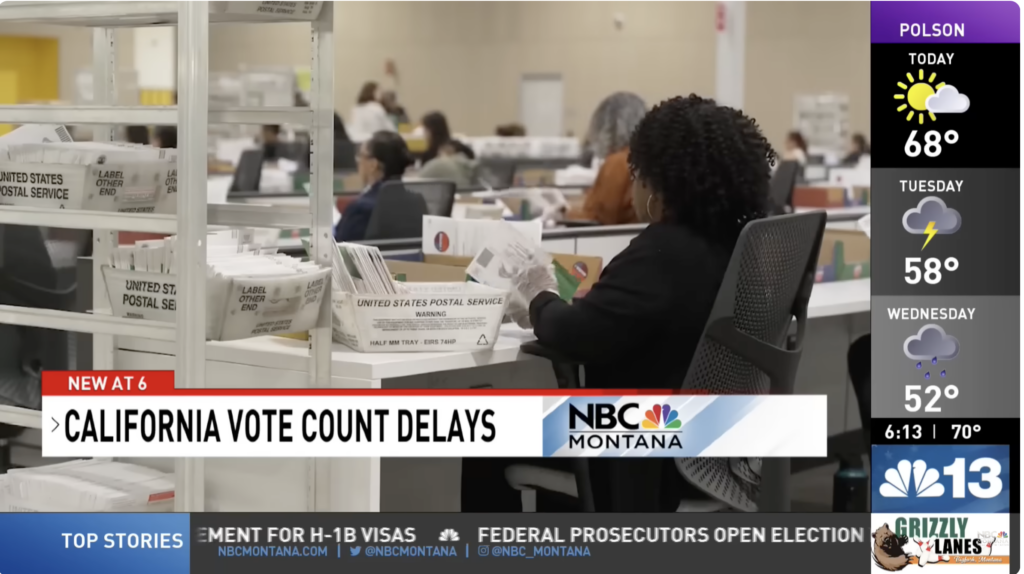
Critics view the measure as another layer of restriction aimed at reducing access, particularly in states that have long allowed a short grace period for ballots postmarked on time. California, which accepts ballots for several days after Election Day if properly postmarked, has faced repeated delays in finalizing results, feeding arguments that the current system breeds chaos. The proposed federal rule would override such practices and create a uniform cutoff.
Election experts note that mail voting expanded significantly during the pandemic and has remained popular with many voters, especially in urban and Democratic-leaning areas. Data from recent cycles shows that stricter receipt deadlines tend to produce higher rejection rates for ballots from younger voters and those in minority communities. Officials in North Carolina have worked to counter that risk by maintaining existing procedures while the courts sort through the challenges.
Voters in the state can still request and return mail ballots under current rules, with the same deadlines and verification steps that applied in prior elections. County boards are urging anyone with questions to contact local offices directly rather than relying on national headlines. The legal fights are expected to continue, but for now the ballots are moving and the process remains open.
You just read Progressive's take. Want to read what actually happened?
More in Politics
Democrats Flip Senate, Expand House Majority in Midterms
Democrats flipped the Senate and expanded their House majority in a major rebuke to President Trump and Republicans. Key victories included multiple Senate seats and state-level wins that ended long-standing GOP dominance in places like Texas.
GOP Losses Spur Blame, Vance Distancing, 2028 Maneuvers
Republicans are pointing fingers internally after heavy losses, with Vice President JD Vance distancing himself from Trump over the Iran war and positioning for a potential 2028 run. Challengers within the party are already sensing opportunity.
Democrats Take House and Senate Amid Record Midterm Turnout
Democrats achieved decisive gains in the 2026 midterms, flipping seats to take control of both chambers. Coverage highlights historic turnout and implications for the Trump administration.
Democrats Take House and Senate, Constraining Trump
Democrats flipped both the House and Senate in a major rebuke to President Trump and Republicans. The results create divided government and set up battles over spending, oversight, and foreign policy for the remainder of Trump's term.
The Compass
You just read five takes on one story.
What's your take? Find your political shape in a few minutes.
Take the test