
Judge Weighs Trump Ban on CNN, Politico, MS NOW Access
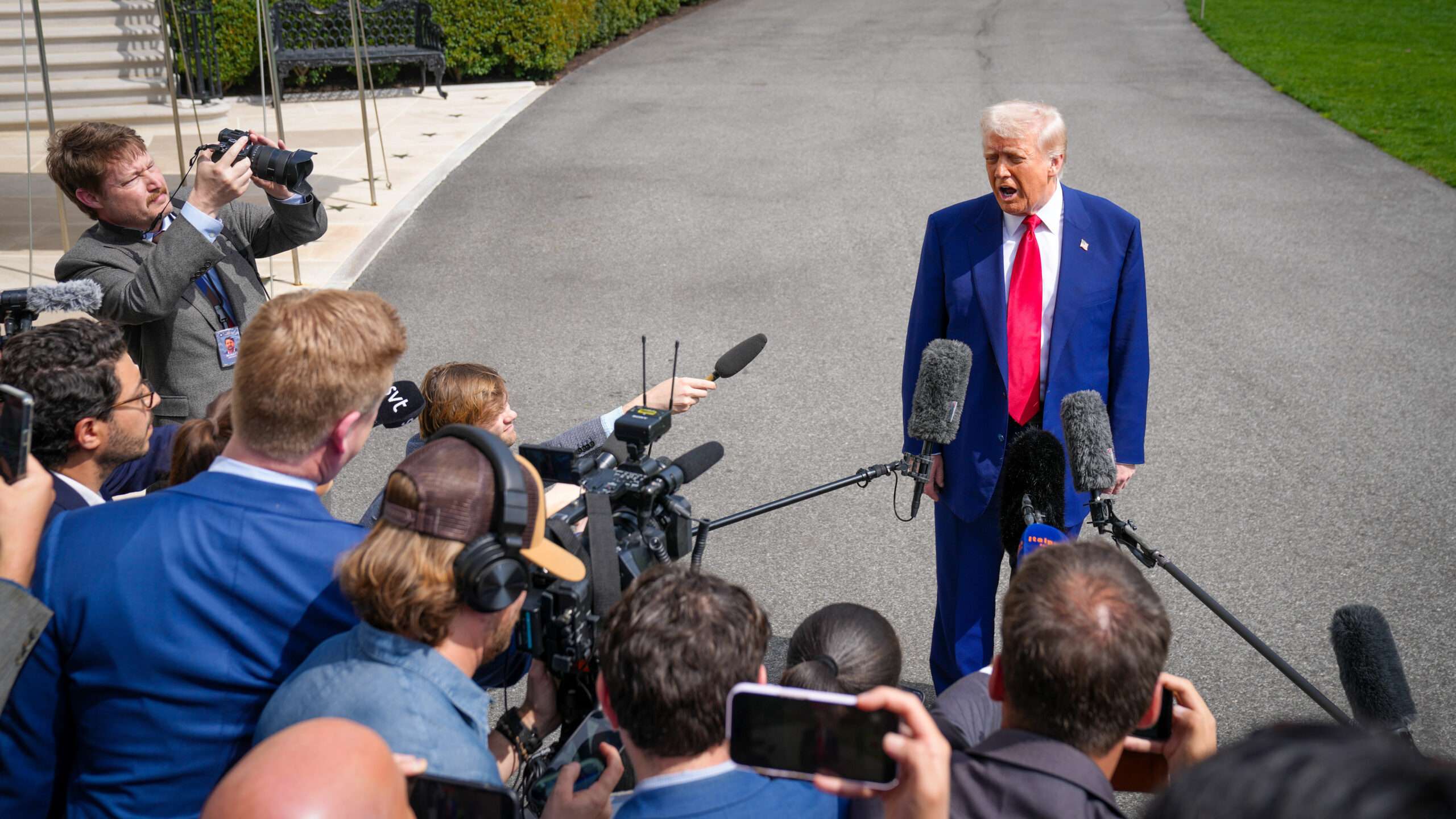
Cover image from reason.com, which was analyzed for this article
CNN, MS NOW, and Politico sued over denied White House access as the DOJ defends the ban on national security grounds. Major networks suspended pool coverage in solidarity amid court hearings.
PoliticalOS
Wednesday, September 23, 2026 — Politics
The core dispute is whether the White House may revoke credentials based on professionalism and security standards or whether such selective exclusions amount to unconstitutional viewpoint discrimination. Judge Kelly's ruling will determine immediate access while leaving broader precedent questions for appeal.
What outlets missed
The DOJ filing explicitly reserves the right to challenge the 1977 Sherrill v. Knight precedent on appeal, arguing White House spaces should not be treated as nonpublic forums at all. The letters provided to the outlets included a non-exhaustive list of incidents and offered a formal reconsideration process before final revocation. Pool coverage suspension affects not only the three banned outlets but also subscribers including Newsmax, OAN, C-SPAN and international organizations that rely on shared footage. No outlet examined whether the cited stories had previously been cleared or sourced through official channels.
Trump Administration Moves to Restrict White House Access for Three News Outlets
President Donald Trump has directed the exclusion of CNN, MS NOW, and Politico from White House grounds, citing repeated publication of sensitive information and failure to meet standards of accuracy. The move follows letters sent to the outlets that listed specific stories on bunker construction, ballroom funding, munitions stockpiles, and sanctions policy as examples of reporting that compromised security interests. The administration describes access to these spaces as a privilege granted by the executive rather than an entitlement under the First Amendment.
The three organizations filed suit in federal court seeking a temporary restraining order to restore their credentials. Their complaint argues that the exclusions amount to viewpoint discrimination against outlets critical of the administration. A hearing is scheduled before U.S. District Judge Timothy J. Kelly, who previously handled a related dispute during Trump's first term involving CNN reporter Jim Acosta.
In its opposition filing, the Department of Justice maintains that the president holds broad discretion over who enters secure areas of the White House complex. Officials noted that the outlets received individual notices outlining a non-exhaustive list of incidents and were given until Friday to contest the decision. The filing explicitly states that access is not a right and references national security concerns as a compelling basis for revocation. It further contends that the action is not retaliatory, pointing out that other outlets with critical coverage retain their passes.
Legal arguments advanced by the administration challenge the 1977 D.C. Circuit precedent in Sherrill v. Knight, which required compelling reasons for denying press access to facilities made generally available. The filing reserves the right to argue on appeal that the case was wrongly decided and that White House grounds constitute a nonpublic forum where greater restrictions are permissible. Earlier disputes, including the Acosta matter, were resolved on due process grounds without a full resolution of First Amendment claims.
The outlets involved have long maintained high visibility in coverage of the administration, often framing stories around allegations of misconduct or policy failure. The administration's letters tie the exclusions directly to instances where reporting allegedly revealed operational details that could aid adversaries. Critics of the move, including advocacy groups, describe the action as an attempt to punish unfavorable coverage. Supporters view it as a long-overdue correction to institutions that have treated access as a platform for selective narratives rather than straightforward reporting.
The dispute arrives amid broader questions about how executive control over physical spaces intersects with press operations. Past administrations of both parties have managed credentialing and access with varying degrees of formality. The current case centers on whether the stated reasons of professionalism and security meet constitutional thresholds or whether they mask content-based restrictions. Judge Kelly's handling of the temporary order request is expected to clarify the immediate path forward while leaving larger issues for higher courts.
You just read Conservative's take. Want to read what actually happened?
More in Politics
Democrats Flip Senate, Expand House Majority in Midterms
Democrats flipped the Senate and expanded their House majority in a major rebuke to President Trump and Republicans. Key victories included multiple Senate seats and state-level wins that ended long-standing GOP dominance in places like Texas.
GOP Losses Spur Blame, Vance Distancing, 2028 Maneuvers
Republicans are pointing fingers internally after heavy losses, with Vice President JD Vance distancing himself from Trump over the Iran war and positioning for a potential 2028 run. Challengers within the party are already sensing opportunity.
Democrats Take House and Senate Amid Record Midterm Turnout
Democrats achieved decisive gains in the 2026 midterms, flipping seats to take control of both chambers. Coverage highlights historic turnout and implications for the Trump administration.
Democrats Take House and Senate, Constraining Trump
Democrats flipped both the House and Senate in a major rebuke to President Trump and Republicans. The results create divided government and set up battles over spending, oversight, and foreign policy for the remainder of Trump's term.
The Compass
You just read five takes on one story.
What's your take? Find your political shape in a few minutes.
Take the test