
Judge Weighs Trump Ban on CNN, Politico, MS NOW Access
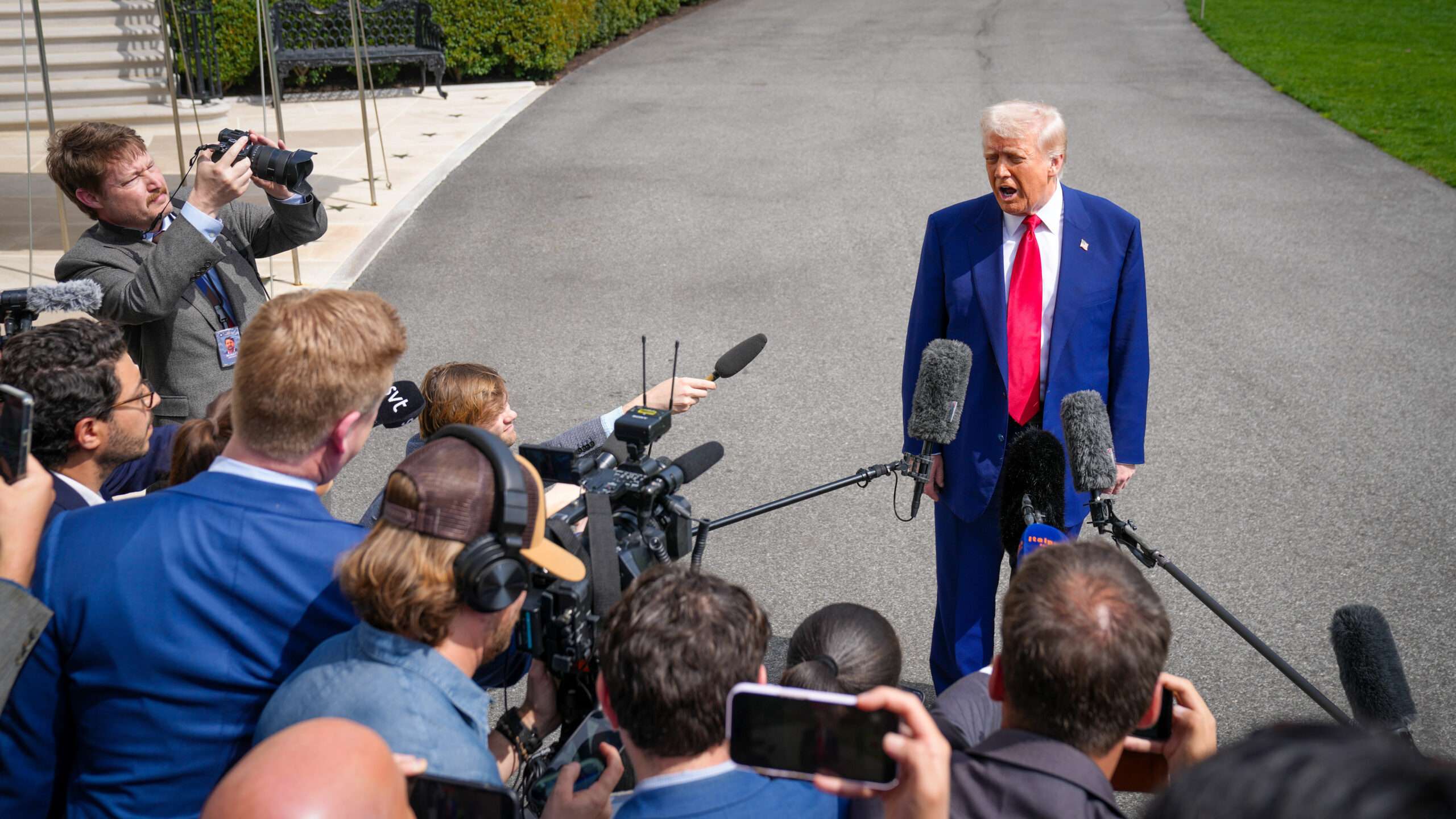
Cover image from reason.com, which was analyzed for this article
CNN, MS NOW, and Politico sued over denied White House access as the DOJ defends the ban on national security grounds. Major networks suspended pool coverage in solidarity amid court hearings.
PoliticalOS
Wednesday, September 23, 2026 — Politics
The core dispute is whether the White House may revoke credentials based on professionalism and security standards or whether such selective exclusions amount to unconstitutional viewpoint discrimination. Judge Kelly's ruling will determine immediate access while leaving broader precedent questions for appeal.
What outlets missed
The DOJ filing explicitly reserves the right to challenge the 1977 Sherrill v. Knight precedent on appeal, arguing White House spaces should not be treated as nonpublic forums at all. The letters provided to the outlets included a non-exhaustive list of incidents and offered a formal reconsideration process before final revocation. Pool coverage suspension affects not only the three banned outlets but also subscribers including Newsmax, OAN, C-SPAN and international organizations that rely on shared footage. No outlet examined whether the cited stories had previously been cleared or sourced through official channels.
Trump Bars CNN MS NOW and Politico from White House Over Fake News and Security Lapses
President Donald Trump announced last Friday that CNN MS NOW formerly MSNBC and Politico would be barred from the White House citing their record of publishing falsehoods and sensitive information that endangers national security. The move drew immediate lawsuits from the three outlets claiming a First Amendment violation but the administration has defended the decision as a straightforward exercise of presidential authority over access to secure spaces.
White House officials sent formal letters to each organization on Tuesday detailing specific incidents of problematic reporting. These included stories that revealed construction details about the East Wing bunker funding for a new White House ballroom and munitions stockpiles tied to the Iran conflict along with sanctions measures against Russia. The letters described these as part of a pattern that threatened security and spread inaccuracies while giving the outlets until Friday to contest the initial revocation.
The Department of Justice filed opposition papers late Tuesday arguing that White House access remains a privilege rather than an automatic right. Attorneys emphasized the president's compelling interest in maintaining basic standards for journalists granted entry and in protecting classified material from outlets that have shown repeated lapses in professionalism. The filing noted that the administration would have acted regardless of the outlets' critical tone toward Trump and pointed to other organizations that have criticized the president without losing access.
This dispute echoes an earlier clash during Trump's first term when CNN reporter Jim Acosta had his press pass revoked over disrespectful conduct in the briefing room. A federal judge issued a temporary order on due process grounds but the White House restored the credential before any deeper First Amendment ruling emerged. The current case has landed before U.S. District Judge Timothy J. Kelly another Trump appointee who will hear arguments on the temporary restraining order request Wednesday afternoon.
Critics from groups like the Freedom of the Press Foundation have labeled the ban an assault on press freedom but such claims overlook how these particular outlets have long operated as extensions of opposition politics rather than neutral gatherers of information. CNN and its counterparts spent years amplifying unverified stories about Trump from anonymous sources while downplaying or ignoring inconvenient facts on issues like border security and economic policy. Politico has similarly framed coverage to fit institutional preferences in Washington. Denying them routine entry does not prevent them from reporting or publishing it simply ends the expectation of special proximity to the president.
Trump has repeatedly stated that the action targets fake news operations rather than the press as a whole. The distinction matters because genuine journalistic work does not require guaranteed access to the Oval Office or Air Force One to function. Outlets that prioritize accuracy and decorum retain their credentials under the same rules. The lawsuit attempts to convert a longstanding perk into an enforceable entitlement which would handcuff any president dealing with hostile coverage.
The administration's position draws on long-standing precedents that treat White House facilities as nonpublic forums where entry can be limited for legitimate reasons including security. Previous efforts to portray such restrictions as unconstitutional have failed to produce broad rulings against executive discretion. With the hearing set for this week observers expect a decision that could either restore access temporarily or allow the ban to stand pending further proceedings.
Trump's approach reflects a consistent view that the press should not dictate the terms of its own coverage or demand government accommodation when it consistently distorts events to fit a narrative. The outlets involved have every opportunity to cover the administration from outside the building just as millions of Americans receive information through alternative channels that do not rely on White House passes.
You just read America First's take. Want to read what actually happened?
More in Politics
Democrats Flip Senate, Expand House Majority in Midterms
Democrats flipped the Senate and expanded their House majority in a major rebuke to President Trump and Republicans. Key victories included multiple Senate seats and state-level wins that ended long-standing GOP dominance in places like Texas.
GOP Losses Spur Blame, Vance Distancing, 2028 Maneuvers
Republicans are pointing fingers internally after heavy losses, with Vice President JD Vance distancing himself from Trump over the Iran war and positioning for a potential 2028 run. Challengers within the party are already sensing opportunity.
Democrats Take House and Senate Amid Record Midterm Turnout
Democrats achieved decisive gains in the 2026 midterms, flipping seats to take control of both chambers. Coverage highlights historic turnout and implications for the Trump administration.
Democrats Take House and Senate, Constraining Trump
Democrats flipped both the House and Senate in a major rebuke to President Trump and Republicans. The results create divided government and set up battles over spending, oversight, and foreign policy for the remainder of Trump's term.
The Compass
You just read five takes on one story.
What's your take? Find your political shape in a few minutes.
Take the test