
Judge Weighs Trump Ban on CNN, Politico, MS NOW Access
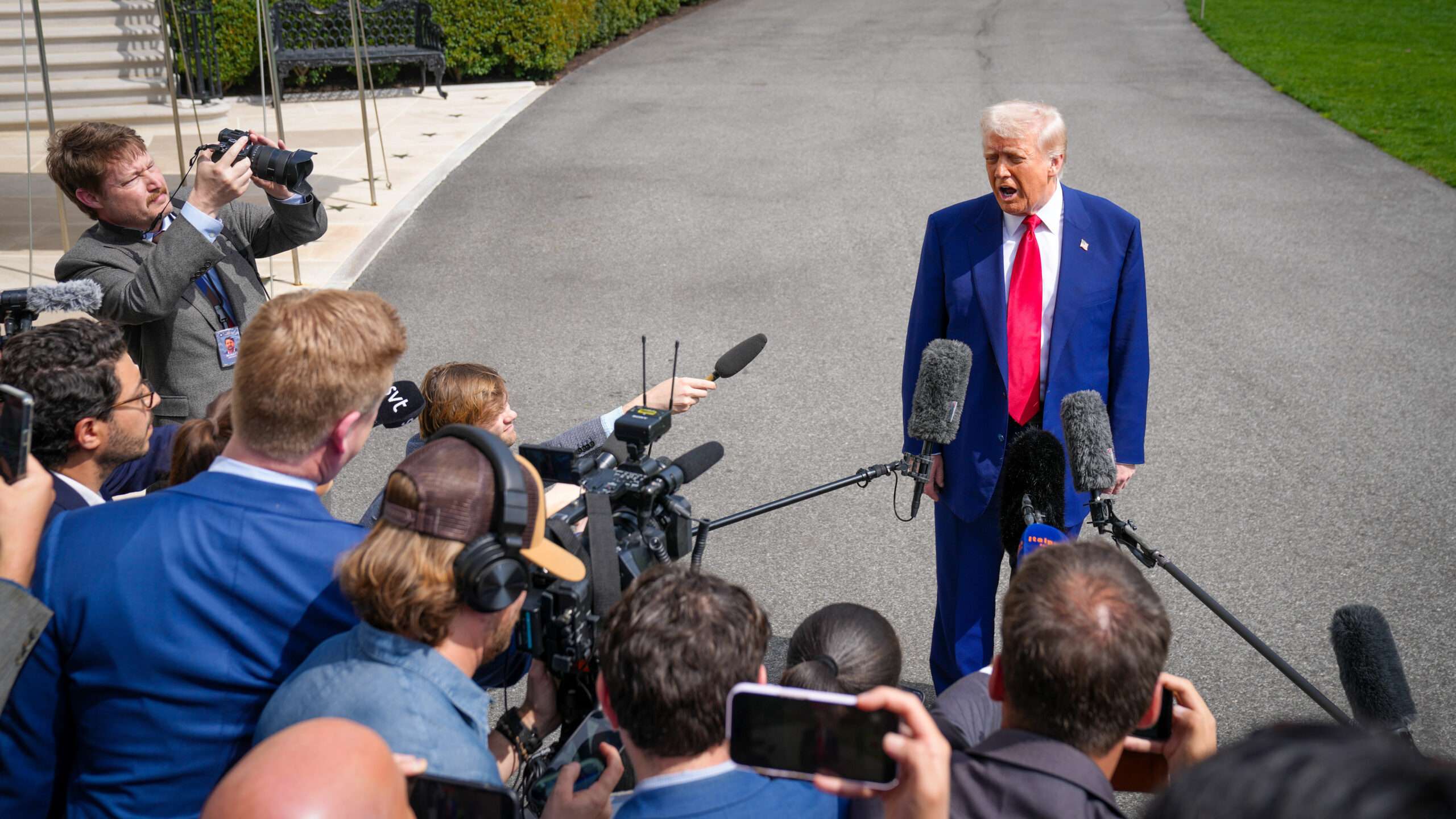
Cover image from reason.com, which was analyzed for this article
CNN, MS NOW, and Politico sued over denied White House access as the DOJ defends the ban on national security grounds. Major networks suspended pool coverage in solidarity amid court hearings.
PoliticalOS
Wednesday, September 23, 2026 — Politics
The core dispute is whether the White House may revoke credentials based on professionalism and security standards or whether such selective exclusions amount to unconstitutional viewpoint discrimination. Judge Kelly's ruling will determine immediate access while leaving broader precedent questions for appeal.
What outlets missed
The DOJ filing explicitly reserves the right to challenge the 1977 Sherrill v. Knight precedent on appeal, arguing White House spaces should not be treated as nonpublic forums at all. The letters provided to the outlets included a non-exhaustive list of incidents and offered a formal reconsideration process before final revocation. Pool coverage suspension affects not only the three banned outlets but also subscribers including Newsmax, OAN, C-SPAN and international organizations that rely on shared footage. No outlet examined whether the cited stories had previously been cleared or sourced through official channels.
Trump Targets Critical Outlets in Fresh Crackdown on White House Access
President Donald Trump has barred CNN, MS NOW, and Politico from the White House, framing the move as a defense against "fake news" while the outlets pursue a First Amendment lawsuit to restore their access. The decision, announced last week, marks another escalation in Trump's long pattern of punishing media organizations that challenge his preferred version of events.
Trump described the exclusions as an assault on misinformation rather than a broad attack on press freedoms. Yet the targeted outlets quickly filed suit, arguing the bans amount to unconstitutional retaliation for unfavorable coverage. The case landed before U.S. District Judge Timothy J. Kelly, a Trump appointee who previously handled a similar dispute during the president's first term involving CNN reporter Jim Acosta's revoked press pass.
In that earlier episode, Kelly issued a temporary order blocking Acosta's exclusion on due process grounds before the White House reversed course. Now the administration faces parallel questions about whether selective removals of press credentials violate core constitutional protections. The outlets contend the bans stem directly from their reporting rather than any neutral standard.
Court filings from the Department of Justice defend the exclusions by insisting White House access remains a privilege, not a right. Officials cite national security concerns and claim the three organizations failed to uphold "minimum standards of professionalism," pointing to stories on East Wing bunker construction, White House ballroom funding, munitions stockpiles tied to the Iran conflict, and sanctions on Russia. The letters sent to the outlets Tuesday list these examples as threats to security or sources of falsehoods and give them until Friday to contest the decision.
Critics, including the Freedom of the Press Foundation, call the rationale a transparent pretext. They note that the administration has not applied similar scrutiny to outlets offering more favorable coverage, even when those organizations publish aggressive reporting on sensitive topics. Previous restrictions on the Associated Press, which resisted Trump's preferred naming of the Gulf of Mexico as the Gulf of America, reinforce the pattern of using access as leverage.
The White House has long portrayed such steps as routine management of a secure complex. Yet the selective nature of the bans, applied amid public complaints about "unfair" coverage, raises familiar questions about viewpoint discrimination. Legal observers expect Wednesday's hearing on the temporary restraining order to focus less on broad presidential authority and more on the specific motivations behind these particular exclusions.
If the court sides with the administration, the precedent could further narrow the practical reach of press access protections established in earlier cases. If it blocks the bans, Trump would face another constraint on his ability to shape the information environment inside the White House. Either outcome will test whether the president's stated commitment to a free press extends to outlets that refuse to echo his framing.
You just read Progressive's take. Want to read what actually happened?
More in Politics
Democrats Flip Senate, Expand House Majority in Midterms
Democrats flipped the Senate and expanded their House majority in a major rebuke to President Trump and Republicans. Key victories included multiple Senate seats and state-level wins that ended long-standing GOP dominance in places like Texas.
GOP Losses Spur Blame, Vance Distancing, 2028 Maneuvers
Republicans are pointing fingers internally after heavy losses, with Vice President JD Vance distancing himself from Trump over the Iran war and positioning for a potential 2028 run. Challengers within the party are already sensing opportunity.
Democrats Take House and Senate Amid Record Midterm Turnout
Democrats achieved decisive gains in the 2026 midterms, flipping seats to take control of both chambers. Coverage highlights historic turnout and implications for the Trump administration.
Democrats Take House and Senate, Constraining Trump
Democrats flipped both the House and Senate in a major rebuke to President Trump and Republicans. The results create divided government and set up battles over spending, oversight, and foreign policy for the remainder of Trump's term.
The Compass
You just read five takes on one story.
What's your take? Find your political shape in a few minutes.
Take the test