
Networks Suspend Trump Pool Coverage After Three Outlets Banned
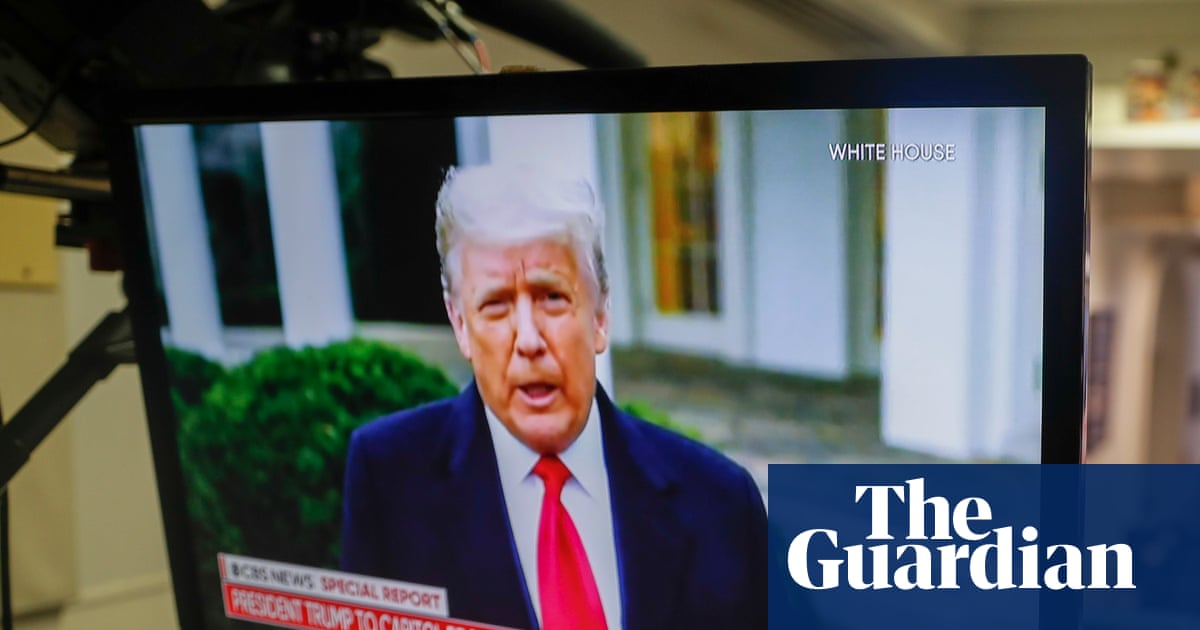
Cover image from theguardian.com, which was analyzed for this article
Major networks including ABC, CBS, Fox and NBC suspended White House pool feeds after CNN, MSNBC and Politico were barred, prompting a First Amendment lawsuit. Trump dismissed the action while coverage of events like the new helipad was disrupted.
PoliticalOS
Tuesday, September 22, 2026 — Politics
The administration revoked credentials for three outlets and the major networks responded by suspending pool coverage, leaving several presidential events without network television footage. The banned organizations sued on First and Fifth Amendment grounds, citing lack of notice or process. A court hearing is set for Wednesday while the White House operates its own video stream.
What outlets missed
The due process component of the lawsuit, drawn from the 1977 Sherrill v. Knight precedent requiring notice and opportunity to respond before credential revocation, received little attention outside legal explainers. Concrete operational effects, such as the absence of network footage of Air Force One departures and inaudible audio on the official helipad stream, were noted by only a few outlets. The launch of the White House’s own Trump TV channel and its initial low viewership were omitted from most accounts. Historical context on prior credential disputes, including the 2018 Acosta injunction based primarily on Fifth Amendment grounds, appeared in just one detailed legal analysis. No outlet provided the exact text of the credential revocation notices or confirmed whether written reasons were supplied to the affected organizations.
Trump Administration Bars Outlets From White House Over Reporting Disputes
President Donald Trump revoked press credentials for reporters from CNN, Politico and MS NOW on Friday, citing what he called constant fiction and lies in their coverage. The three organizations responded by filing suit on Monday, arguing the move amounted to unconstitutional retaliation for unfavorable stories. Other major networks, including Fox News, ABC, CBS and NBC, suspended participation in the White House television pool for the week, leaving several presidential events without standard live coverage.
The affected reporters were denied entry to the White House grounds over the weekend. Trump had posted on social media that media outlets should not report what he described as fiction when covering the president. This marked at least the second time in his presidencies that he pursued credential revocations against specific journalists, following a similar effort against CNN's Jim Acosta during his first term.
Court filings from the outlets highlighted the public interest in independent reporting and warned that allowing the administration to select which organizations gain access would chill coverage. The suit seeks a temporary restraining order to restore access. Legal observers noted that prior court rulings have treated viewpoint-based exclusions from press events as raising serious First Amendment questions, though outcomes depend on the specific facts presented.
In solidarity with the banned outlets, the major television networks halted pooled video feeds for events such as Trump's Monday ribbon-cutting for a new White House helipad and his travel to New York for the United Nations General Assembly. Still photographers from several agencies also delayed release of images. The White House instead streamed its own footage of the helipad ceremony, though the president's remarks proved largely inaudible amid helicopter noise. No network television footage captured his arrival in New York.
The administration launched a 24-hour streaming channel called Trump TV on Monday, described by a deputy assistant as an unfiltered feed of administration highlights. The channel carried replays of earlier presidential speeches and operated through the White House website and app. Critics labeled the effort government propaganda, while supporters viewed it as a direct channel bypassing traditional intermediaries.
Trump addressed the boycott during a later appearance, stating that media organizations had promised to ignore him before but continued coverage anyway. He described the press as a cancer and a threat to national security in separate remarks. Meanwhile, the absence of pooled material meant limited visual reporting on routine movements and events that normally reach wide audiences through shared resources designed to reduce costs and logistical burdens.
The episode unfolded against a backdrop of declining approval ratings for the administration ahead of midterm elections and ongoing policy challenges including energy prices and foreign engagements. Historical patterns show that administrations of both parties have clashed with outlets over access and tone, yet explicit content-based exclusions remain rare and legally contested. The current response from networks across the spectrum underscores how coordinated withholding of coverage can itself limit public information flow.
Press organizations have long operated under the principle that government officials cannot pick which reporters cover them based on approval of their work. At the same time, repeated negative framing from certain outlets has fueled public skepticism toward institutional media, with polling consistently showing low trust levels across demographics. The dispute illustrates the tension between executive authority over physical access to federal property and the broader expectation that information about government actions reaches citizens through competitive, independent channels rather than official streams alone.
Lawsuits such as the one filed Monday test whether courts will treat credential decisions as administrative matters or as impermissible viewpoint discrimination. Past precedents suggest the latter framing carries weight when statements from officials explicitly tie exclusions to the substance of reporting. The broader effect on daily coverage remains unclear as networks weigh continued suspension of pool duties against the need to inform audiences about administration activities.
You just read Conservative's take. Want to read what actually happened?
More in Politics
Democrats Flip Senate, Expand House Majority in Midterms
Democrats flipped the Senate and expanded their House majority in a major rebuke to President Trump and Republicans. Key victories included multiple Senate seats and state-level wins that ended long-standing GOP dominance in places like Texas.
GOP Losses Spur Blame, Vance Distancing, 2028 Maneuvers
Republicans are pointing fingers internally after heavy losses, with Vice President JD Vance distancing himself from Trump over the Iran war and positioning for a potential 2028 run. Challengers within the party are already sensing opportunity.
Democrats Take House and Senate Amid Record Midterm Turnout
Democrats achieved decisive gains in the 2026 midterms, flipping seats to take control of both chambers. Coverage highlights historic turnout and implications for the Trump administration.
Democrats Take House and Senate, Constraining Trump
Democrats flipped both the House and Senate in a major rebuke to President Trump and Republicans. The results create divided government and set up battles over spending, oversight, and foreign policy for the remainder of Trump's term.
The Compass
You just read five takes on one story.
What's your take? Find your political shape in a few minutes.
Take the test