
Networks Suspend Trump Pool Coverage After Three Outlets Banned
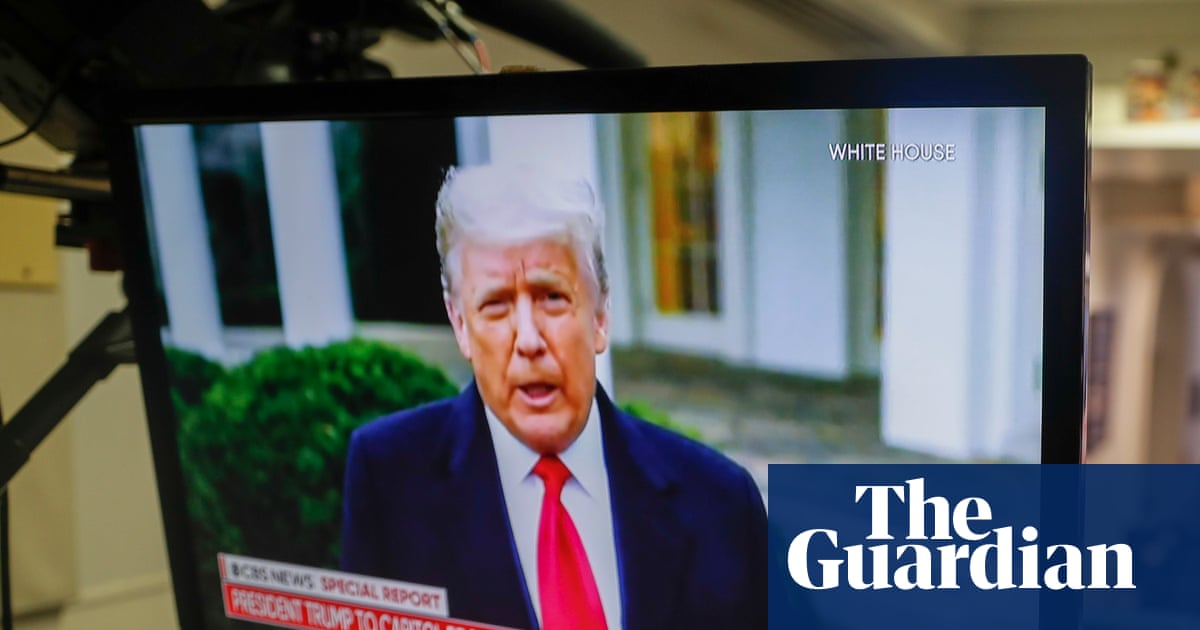
Cover image from theguardian.com, which was analyzed for this article
Major networks including ABC, CBS, Fox and NBC suspended White House pool feeds after CNN, MSNBC and Politico were barred, prompting a First Amendment lawsuit. Trump dismissed the action while coverage of events like the new helipad was disrupted.
PoliticalOS
Tuesday, September 22, 2026 — Politics
The administration revoked credentials for three outlets and the major networks responded by suspending pool coverage, leaving several presidential events without network television footage. The banned organizations sued on First and Fifth Amendment grounds, citing lack of notice or process. A court hearing is set for Wednesday while the White House operates its own video stream.
What outlets missed
The due process component of the lawsuit, drawn from the 1977 Sherrill v. Knight precedent requiring notice and opportunity to respond before credential revocation, received little attention outside legal explainers. Concrete operational effects, such as the absence of network footage of Air Force One departures and inaudible audio on the official helipad stream, were noted by only a few outlets. The launch of the White House’s own Trump TV channel and its initial low viewership were omitted from most accounts. Historical context on prior credential disputes, including the 2018 Acosta injunction based primarily on Fifth Amendment grounds, appeared in just one detailed legal analysis. No outlet provided the exact text of the credential revocation notices or confirmed whether written reasons were supplied to the affected organizations.
Trump Faces Media Boycott After Revoking Access for Three Outlets
President Donald Trump revoked White House credentials for reporters from CNN, Politico and MS NOW last week, accusing the organizations of publishing “fiction and lies.” The move triggered an immediate lawsuit from the three outlets and a coordinated suspension of pooled video coverage by the major television networks, leaving several presidential events without live network footage.
The banned reporters were turned away from the White House grounds on Saturday. Trump had announced the action on social media, framing it as a response to unfavorable coverage. The outlets filed suit Monday, arguing that the administration cannot condition access on the content of reporting. Their complaint cites Trump’s own statements as evidence of viewpoint discrimination, a claim that legal experts say has succeeded in prior credential disputes.
In solidarity, ABC, CBS, NBC, CNN and Fox News halted their participation in the television pool for Trump’s trip to New York for the United Nations General Assembly. Still photographers from several agencies also delayed distribution of images from a South Lawn ribbon-cutting for a new Marine One helipad. The White House instead streamed the events on its own channels, though audio from the helipad ceremony was largely obscured by helicopter noise.
The absence of pool coverage produced an unusual information gap. No network footage aired of Trump boarding Air Force One or arriving in New York. The White House responded by launching a 24-hour YouTube stream titled “Trump TV: The Essentials Station,” described by an administration official as an “unfiltered” feed of presidential appearances. Critics labeled the channel state propaganda, and early viewership remained low.
The timing of the credential revocations coincides with mounting political pressure on the administration. Recent polling has shown Republican candidates trailing in key midterm races, while the president has faced setbacks on tariffs, Federal Reserve policy and a prolonged military engagement in Iran. Advisers have described Trump as increasingly focused on perceived enemies in the press as other levers of influence appear constrained.
Past attempts to limit individual reporters’ access have generally failed in court when framed as punishment for critical coverage. The current case tests whether a broader exclusion of entire news organizations can survive similar scrutiny. The collective decision by networks to withhold pool services adds an institutional dimension: it converts an administration effort to restrict information into a wider reduction in visual access for viewers across outlets.
The dispute also surfaces questions about how the public receives unmediated information from the executive branch when traditional distribution channels are disrupted. With pooled material unavailable and the administration’s own stream offering only selected clips, routine events such as the helipad ceremony reached audiences primarily through still photographs released later or through the president’s own social media accounts.
Litigation is expected to move quickly, with the plaintiffs seeking a temporary restraining order. The networks have indicated their suspension of pool duties will continue at least through the current week in New York.
You just read Liberal's take. Want to read what actually happened?
More in Politics
Democrats Flip Senate, Expand House Majority in Midterms
Democrats flipped the Senate and expanded their House majority in a major rebuke to President Trump and Republicans. Key victories included multiple Senate seats and state-level wins that ended long-standing GOP dominance in places like Texas.
GOP Losses Spur Blame, Vance Distancing, 2028 Maneuvers
Republicans are pointing fingers internally after heavy losses, with Vice President JD Vance distancing himself from Trump over the Iran war and positioning for a potential 2028 run. Challengers within the party are already sensing opportunity.
Democrats Take House and Senate Amid Record Midterm Turnout
Democrats achieved decisive gains in the 2026 midterms, flipping seats to take control of both chambers. Coverage highlights historic turnout and implications for the Trump administration.
Democrats Take House and Senate, Constraining Trump
Democrats flipped both the House and Senate in a major rebuke to President Trump and Republicans. The results create divided government and set up battles over spending, oversight, and foreign policy for the remainder of Trump's term.
The Compass
You just read five takes on one story.
What's your take? Find your political shape in a few minutes.
Take the test