
Trump Rallies for Senate Edge as Midterms Near
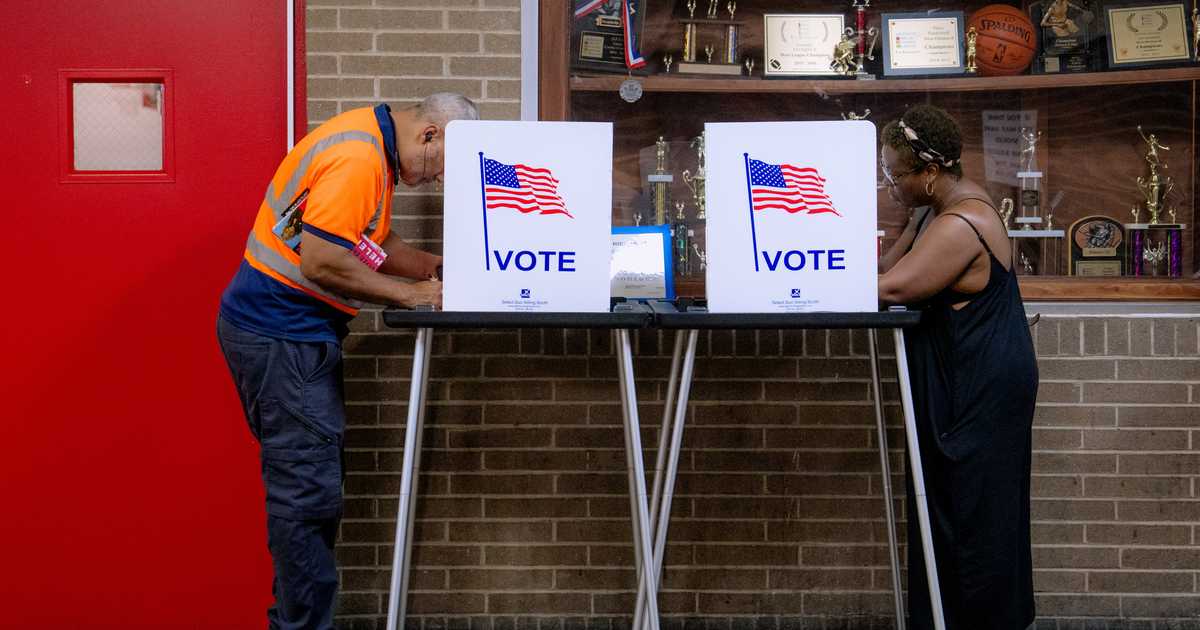
Cover image from townhall.com, which was analyzed for this article
President Trump held rallies and made schedule changes for key Senate races while engaging in personal attacks on Democratic candidates. Coverage highlights competing appearances with Democrats and questions over campaign strategies days before the midterms.
PoliticalOS
Saturday, October 31, 2026 — Politics
The 2026 midterms will determine whether Republicans keep the majorities required to advance the current policy agenda or face divided government. Turnout among prior Trump supporters remains the pivotal variable in close Senate races, yet verified details on final-week campaign tactics and their measurable effects are limited across available reporting.
What outlets missed
Most coverage omitted direct reporting on Trump's adjusted rally schedule and specific personal attacks on Democratic candidates in the final week. No outlet provided verified attendance figures or contemporaneous accounts of competing Democratic events in the same states. Details on turnout trends among 2024 Trump voters and their potential impact on close races were absent or unverified. The articles also did not address documented policy outcomes or election administration data that would ground claims about stakes.
Trump Administration Ends American Funding for South African HIV Clinics
The Engage Men’s Health Clinic in Johannesburg shut its doors in the opening hours of the second Trump administration. Once promoted as a hub for HIV prevention, testing, and treatment, the site had operated with full-time staff and received direct support from the President’s Emergency Plan for AIDS Relief and USAID. The building carried the logos of both programs along with a rainbow mural honoring a South African activist.
South Africa reports roughly eight million people living with HIV in a population of 64 million. The clinic had positioned itself near seven universities and distributed the prevention drug PrEP to students, including some described as arriving before any sexual activity. It also offered gender-affirming medical care. After the funding ended, a volunteer group called USpace took over the space but operates only four hours a week and provides HIV tests without treatment or prevention medications.
PEPFAR was launched two decades ago as an emergency response to the global AIDS epidemic. Successive administrations expanded its reach into routine health services, education campaigns, and specialized clinics. Annual spending reached several billion dollars, with substantial portions directed to sub-Saharan Africa. Critics have long argued that the program drifted from its original focus on antiretrovirals into broader social initiatives that American taxpayers had little reason to underwrite.
The abrupt closure at Engage illustrates how quickly such overseas commitments can be scaled back. Local reports note that similar sites funded through the same channels have faced reduced hours or outright closure. South African health officials have not announced immediate replacement funding from domestic sources, leaving questions about continuity of care for existing patients.
The decision aligns with a broader review of foreign assistance that prioritizes domestic needs over sustained overseas projects. Past audits of PEPFAR and USAID have documented administrative overhead, overlapping grants, and difficulty measuring long-term results in recipient countries. South Africa maintains one of the world’s largest HIV burdens, yet its government also manages significant natural resources and its own tax base.
American spending on international health programs has continued across multiple presidencies with limited public debate over opportunity costs at home. Clinics emphasizing gender-related services alongside infectious-disease work have drawn particular scrutiny when financed by U.S. appropriations. The Johannesburg site’s combination of services reflected that expanded mandate.
Replacement operations remain limited. The volunteer clinic now using the building cannot replicate the previous range of medications or staffing. Patients seeking PrEP or ongoing HIV treatment must locate alternative providers, many of which also depended on the same external grants. No timeline has been given for restoring full services through local or other international channels.
The episode underscores the reliance some foreign health systems developed on American programs originally framed as short-term interventions. With those funds curtailed, responsibility for sustaining the effort returns to South African authorities and any private or regional partners willing to step in.
You just read America First's take. Want to read what actually happened?
More in Politics
Democrats Flip Senate, Expand House Majority in Midterms
Democrats flipped the Senate and expanded their House majority in a major rebuke to President Trump and Republicans. Key victories included multiple Senate seats and state-level wins that ended long-standing GOP dominance in places like Texas.
GOP Losses Spur Blame, Vance Distancing, 2028 Maneuvers
Republicans are pointing fingers internally after heavy losses, with Vice President JD Vance distancing himself from Trump over the Iran war and positioning for a potential 2028 run. Challengers within the party are already sensing opportunity.
Democrats Take House and Senate Amid Record Midterm Turnout
Democrats achieved decisive gains in the 2026 midterms, flipping seats to take control of both chambers. Coverage highlights historic turnout and implications for the Trump administration.
Democrats Take House and Senate, Constraining Trump
Democrats flipped both the House and Senate in a major rebuke to President Trump and Republicans. The results create divided government and set up battles over spending, oversight, and foreign policy for the remainder of Trump's term.
The Compass
You just read five takes on one story.
What's your take? Find your political shape in a few minutes.
Take the test