
Trump Rallies for Senate Edge as Midterms Near
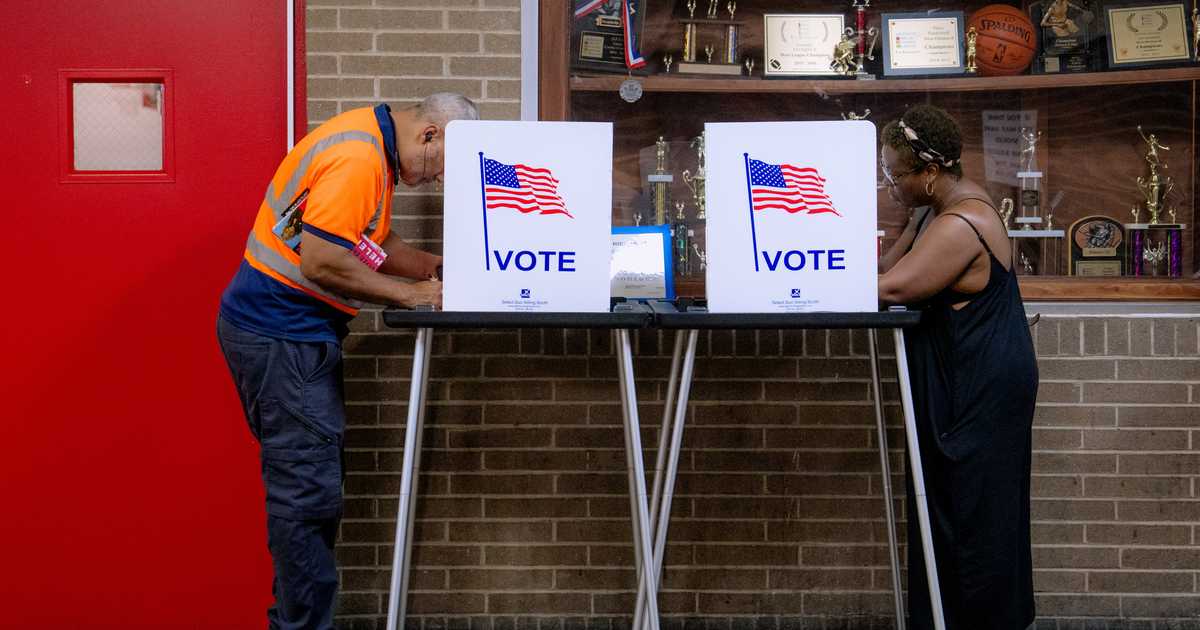
Cover image from townhall.com, which was analyzed for this article
President Trump held rallies and made schedule changes for key Senate races while engaging in personal attacks on Democratic candidates. Coverage highlights competing appearances with Democrats and questions over campaign strategies days before the midterms.
PoliticalOS
Saturday, October 31, 2026 — Politics
The 2026 midterms will determine whether Republicans keep the majorities required to advance the current policy agenda or face divided government. Turnout among prior Trump supporters remains the pivotal variable in close Senate races, yet verified details on final-week campaign tactics and their measurable effects are limited across available reporting.
What outlets missed
Most coverage omitted direct reporting on Trump's adjusted rally schedule and specific personal attacks on Democratic candidates in the final week. No outlet provided verified attendance figures or contemporaneous accounts of competing Democratic events in the same states. Details on turnout trends among 2024 Trump voters and their potential impact on close races were absent or unverified. The articles also did not address documented policy outcomes or election administration data that would ground claims about stakes.
Trump Funding Cuts Close South African HIV Clinics
JOHANNESBURG — Engage Men’s Health Clinic opened in early 2024 as a free facility offering HIV prevention, testing, treatment, and related sexual health services near seven universities in Johannesburg. Staff described it as a high-impact site for distributing PrEP, the medication that prevents HIV transmission, with many clients seeking care before any sexual activity. The building carried logos for PEPFAR, the U.S. President’s Emergency Plan for AIDS Relief, and USAID, along with a mural honoring Simon Tseko Nkoli, the South African activist who died of AIDS in 1998.
The clinic closed within hours of the second Trump administration taking office. Its replacement, a volunteer operation called USpace, operates only four hours a week and provides HIV testing without treatment or prevention drugs. South Africa has roughly 8 million people living with HIV out of a population near 64 million, accounting for about one-fifth of global cases. PEPFAR has supplied the majority of external funding for the country’s HIV response for two decades.
U.S. officials directed the funding reductions as part of broader cuts to foreign assistance programs. Clinics that relied on those grants lost staff, medication supplies, and operating budgets almost immediately. Data from South African health authorities show that sites funded primarily through PEPFAR reported sharp drops in new PrEP enrollments and antiretroviral initiations in the months after the policy shift. Public health researchers tracking the programs note that consistent access to PrEP and treatment has been the main driver of declining new infections in urban areas over the past decade.
The abrupt end of support has forced local providers to ration remaining supplies and redirect patients to overburdened government facilities. Some university-linked programs that used Engage as a referral point have paused outreach. Health ministry data indicate that South Africa’s national HIV program had been on track to meet interim targets for viral suppression among those on treatment before the cuts took effect. Interruptions now risk reversing those gains, according to modeling from groups that have monitored PEPFAR performance since its creation in 2003.
Broader U.S. aid reductions have also affected supply chains for test kits and laboratory reagents used across multiple provinces. South African officials have sought alternative donors, but replacement funding has covered only a fraction of prior levels so far. The original PEPFAR framework emphasized measurable outcomes, including reductions in new infections and increases in treatment coverage, which U.S. government audits had repeatedly verified in South Africa.
The changes coincide with ongoing debates in Washington over the scale and purpose of global health spending. Proponents of the cuts argue that recipient countries should assume greater responsibility after years of American investment. Critics point to epidemiological evidence that sustained external support remains necessary in high-burden settings to prevent resurgence. South Africa’s experience illustrates how quickly program continuity can erode when external grants end without transition plans.
Local advocates continue to operate limited services through volunteer networks, but capacity remains far below previous levels. Public health records show that even short gaps in PrEP access correlate with higher transmission rates in key populations. The clinic on Reserve Street stands as one visible marker of those wider disruptions.
You just read Liberal's take. Want to read what actually happened?
More in Politics
Democrats Flip Senate, Expand House Majority in Midterms
Democrats flipped the Senate and expanded their House majority in a major rebuke to President Trump and Republicans. Key victories included multiple Senate seats and state-level wins that ended long-standing GOP dominance in places like Texas.
GOP Losses Spur Blame, Vance Distancing, 2028 Maneuvers
Republicans are pointing fingers internally after heavy losses, with Vice President JD Vance distancing himself from Trump over the Iran war and positioning for a potential 2028 run. Challengers within the party are already sensing opportunity.
Democrats Take House and Senate Amid Record Midterm Turnout
Democrats achieved decisive gains in the 2026 midterms, flipping seats to take control of both chambers. Coverage highlights historic turnout and implications for the Trump administration.
Democrats Take House and Senate, Constraining Trump
Democrats flipped both the House and Senate in a major rebuke to President Trump and Republicans. The results create divided government and set up battles over spending, oversight, and foreign policy for the remainder of Trump's term.
The Compass
You just read five takes on one story.
What's your take? Find your political shape in a few minutes.
Take the test