
Trump Rallies Push Economy Message as Prices Rise Ahead of Midterms
Cover image from nbcnews.com, which was analyzed for this article
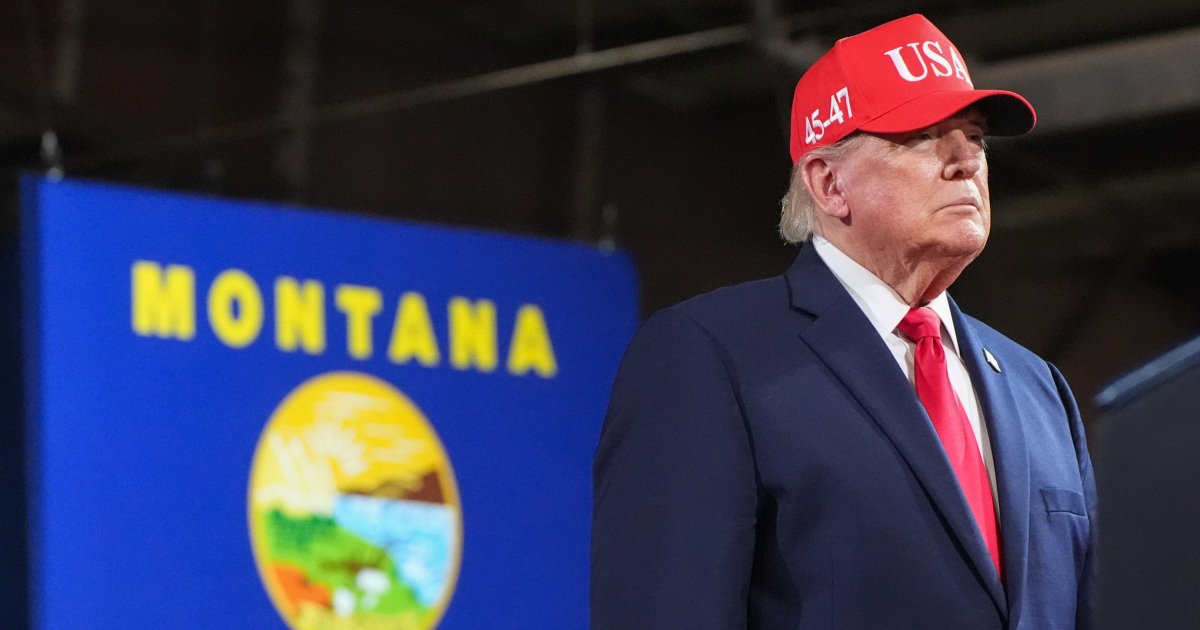
President Trump held rallies in Arizona and Montana to boost Republican candidates ahead of the November midterms, focusing on the economy, national security, and gun rights. Democrats are highlighting voter frustration with prices and Trump himself as a potential drag.
PoliticalOS
Thursday, October 15, 2026 — Politics
Voter frustration with prices is measurable in multiple polls and interviews, yet both parties are betting their closing strategies on whether that frustration outweighs partisan loyalty. The cash advantage held by Republican outside groups gives GOP candidates more resources to blunt the message, but the outcome will turn on whether economic discontent proves decisive in the final three weeks.
What outlets missed
Most coverage omitted state-by-state polling on whether price increases have already altered midterm vote intentions. Few pieces supplied unemployment, wage growth or GDP figures alongside the inflation numbers to show the full economic picture. The timeline and congressional authorization status of U.S. actions in Iran received almost no detail, leaving readers without context on when costs began rising. Republican fundraising totals from individual donors versus super PACs were rarely broken out, obscuring how much of the cash edge is candidate-driven.
Control of Congress rests on whether voters prioritize pocketbook pressures or party loyalty three weeks before the November midterms. President Trump held rallies in Arizona and Montana this week, urging supporters to treat the contests as a referendum on his agenda while Democrats counter that Republican candidates should answer for the same record.
The Bureau of Labor Statistics reported consumer prices rose 3.7 percent over the past year, with food costs up 2.5 percent. Energy prices have climbed further since U.S. involvement in the Iran conflict began, pushing average gasoline more than $1.20 higher per gallon than a year earlier in many markets. Trump told crowds the economy showed little inflation, cited stock gains and new investment, and predicted fuel costs would fall once the Iran situation resolved. He asked audiences to “pretend I’m on the ballot.”
Interviews with Trump voters in Iowa, Ohio, Michigan, Maine and Montana produced divided reactions. Some described coupon use and skipped trips to stretch budgets; others said short-term costs would yield long-term security gains or that cultural issues outweighed prices. A Harris Poll conducted for The Guardian found 65 percent of independents now say the economy is worse, up from 48 percent in September 2024. An AP-NORC survey showed roughly eight in ten voters naming the economy or cost of living among their top issues.
Democratic candidates in swing races have run ads and events linking grocery and fuel costs directly to administration decisions. Republican outside groups, led by the president’s super PAC, hold a reported $1 billion cash advantage over comparable Democratic committees, according to Associated Press and Washington Post tallies. That edge has allowed heavier advertising in states including Ohio and Texas even as some Republican candidates distance themselves from the president on the trail.
Focus groups of 2020 Biden and 2024 Trump voters in Georgia showed ten of twelve expressing regret over their earlier choice, with seven saying Trump would influence them to back Democrats this fall. National polling on whether those sentiments will decide House and Senate control remains limited. Both parties have made Trump the central figure in their closing arguments.
More in Politics

Democrats Flip Senate, Expand House Majority in Midterms
Democrats flipped the Senate and expanded their House majority in a major rebuke to President Trump and Republicans. Key victories included multiple Senate seats and state-level wins that ended long-standing GOP dominance in places like Texas.

GOP Losses Spur Blame, Vance Distancing, 2028 Maneuvers
Republicans are pointing fingers internally after heavy losses, with Vice President JD Vance distancing himself from Trump over the Iran war and positioning for a potential 2028 run. Challengers within the party are already sensing opportunity.

Democrats Take House and Senate Amid Record Midterm Turnout
Democrats achieved decisive gains in the 2026 midterms, flipping seats to take control of both chambers. Coverage highlights historic turnout and implications for the Trump administration.
Democrats Take House and Senate, Constraining Trump
Democrats flipped both the House and Senate in a major rebuke to President Trump and Republicans. The results create divided government and set up battles over spending, oversight, and foreign policy for the remainder of Trump's term.
The Compass
You just read five takes on one story.
What's your take? Find your political shape in a few minutes.
Take the test