
Trump Rallies Push Economy Message as Prices Rise Ahead of Midterms
Cover image from nbcnews.com, which was analyzed for this article
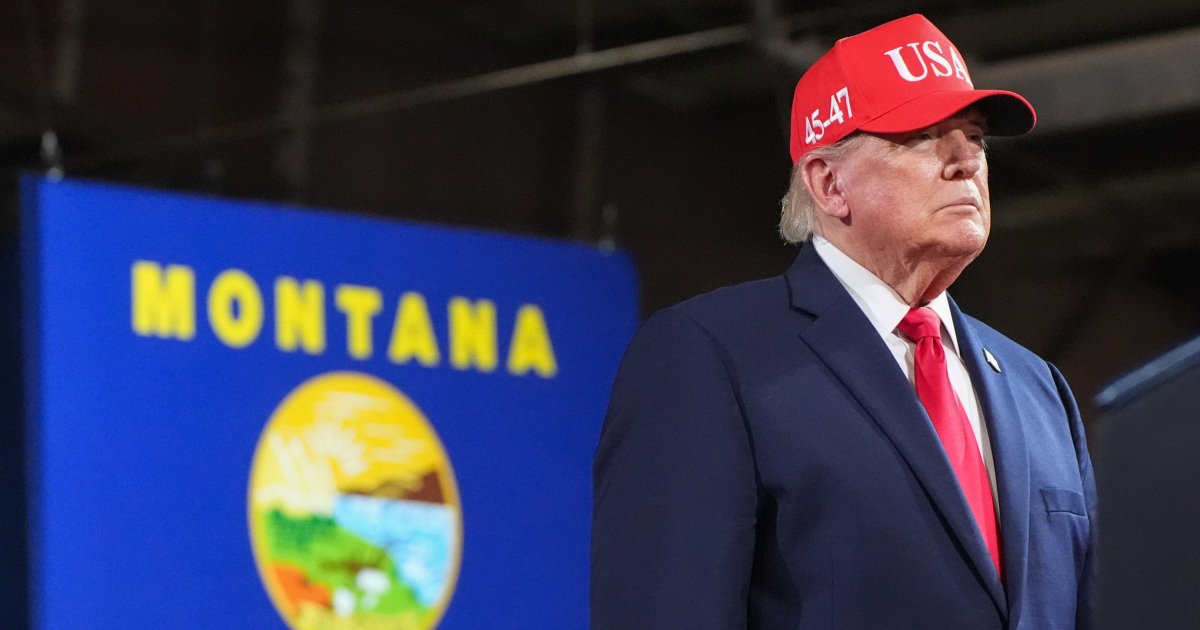
President Trump held rallies in Arizona and Montana to boost Republican candidates ahead of the November midterms, focusing on the economy, national security, and gun rights. Democrats are highlighting voter frustration with prices and Trump himself as a potential drag.
PoliticalOS
Thursday, October 15, 2026 — Politics
Voter frustration with prices is measurable in multiple polls and interviews, yet both parties are betting their closing strategies on whether that frustration outweighs partisan loyalty. The cash advantage held by Republican outside groups gives GOP candidates more resources to blunt the message, but the outcome will turn on whether economic discontent proves decisive in the final three weeks.
What outlets missed
Most coverage omitted state-by-state polling on whether price increases have already altered midterm vote intentions. Few pieces supplied unemployment, wage growth or GDP figures alongside the inflation numbers to show the full economic picture. The timeline and congressional authorization status of U.S. actions in Iran received almost no detail, leaving readers without context on when costs began rising. Republican fundraising totals from individual donors versus super PACs were rarely broken out, obscuring how much of the cash edge is candidate-driven.
Voters Across the Heartland Say Rising Costs Are Crushing Their Families
Three weeks before the midterms, Americans from Pennsylvania to Montana are describing the same daily grind. Health insurance bills now rival mortgage payments. Gas and grocery prices keep climbing. Self-employed workers and dairy farmers alike report they can no longer make ends meet even when multiple family members hold full-time jobs.
A Pennsylvania caller to a SiriusXM program explained he voted for Donald Trump in 2024 after rejecting the alternative. He said he trusted the president completely but now feels clobbered by insurance costs for himself, his wife, and two teenage drivers. He described the situation as a kitchen-table crisis that leaves little room for other concerns.
Similar accounts surfaced in focus groups with Georgia swing voters who backed Trump after supporting Biden in 2020. Ten of the twelve participants said they regret their choice. They pointed to persistent inflation, higher fuel prices tied to the Iran conflict, and a sense that everyday expenses have only worsened. One participant listed a food crisis and family separations from immigration enforcement as part of the downward trend.
An exclusive Harris poll conducted for The Guardian found broad pessimism. Three-quarters of respondents expressed recession fears, and 61 percent incorrectly believe the country is already in one. Independents reporting that the economy is getting worse rose to 65 percent. Even among Republicans, optimism dropped sharply from earlier in the term. Two-thirds of all voters ranked gas and grocery prices as their top election issues.
Trump, campaigning in Montana, described an economy with little inflation and record investment. Supporters in the audience, however, told a different story. An 84-year-old homemaker said she combines errands to save on gas and shops where fuel discounts are available. A dairy farm worker noted that three working adults in her household still cannot afford basic goods. Official data released the same day showed consumer prices up 3.7 percent over the past year, with food costs rising 2.5 percent.
Democratic campaign committees are directing resources toward these pressures, arguing that kitchen-table concerns can be tied directly to administration policies. Republican groups counter with a substantial financial edge in outside spending, hoping paid media can offset voter frustration in key races. Chuck Schumer has framed the Senate contest around the cash disparity, while House Democratic fundraisers issued urgent appeals for additional millions.
The pattern repeats across swing states. Shoppers in Iowa, Ohio, Michigan, and Maine who supported Trump last cycle describe higher prices for produce, cereal, and beverages. Some remain loyal, others express disappointment that campaign pledges on affordability have not matched reality. The disconnect between official claims of broad prosperity and the ledgers of working households is now the central fact of the closing weeks.
You just read America First's take. Want to read what actually happened?
More in Politics
Democrats Flip Senate, Expand House Majority in Midterms
Democrats flipped the Senate and expanded their House majority in a major rebuke to President Trump and Republicans. Key victories included multiple Senate seats and state-level wins that ended long-standing GOP dominance in places like Texas.
GOP Losses Spur Blame, Vance Distancing, 2028 Maneuvers
Republicans are pointing fingers internally after heavy losses, with Vice President JD Vance distancing himself from Trump over the Iran war and positioning for a potential 2028 run. Challengers within the party are already sensing opportunity.
Democrats Take House and Senate Amid Record Midterm Turnout
Democrats achieved decisive gains in the 2026 midterms, flipping seats to take control of both chambers. Coverage highlights historic turnout and implications for the Trump administration.
Democrats Take House and Senate, Constraining Trump
Democrats flipped both the House and Senate in a major rebuke to President Trump and Republicans. The results create divided government and set up battles over spending, oversight, and foreign policy for the remainder of Trump's term.
The Compass
You just read five takes on one story.
What's your take? Find your political shape in a few minutes.
Take the test