
Trump Rallies Push Economy Message as Prices Rise Ahead of Midterms
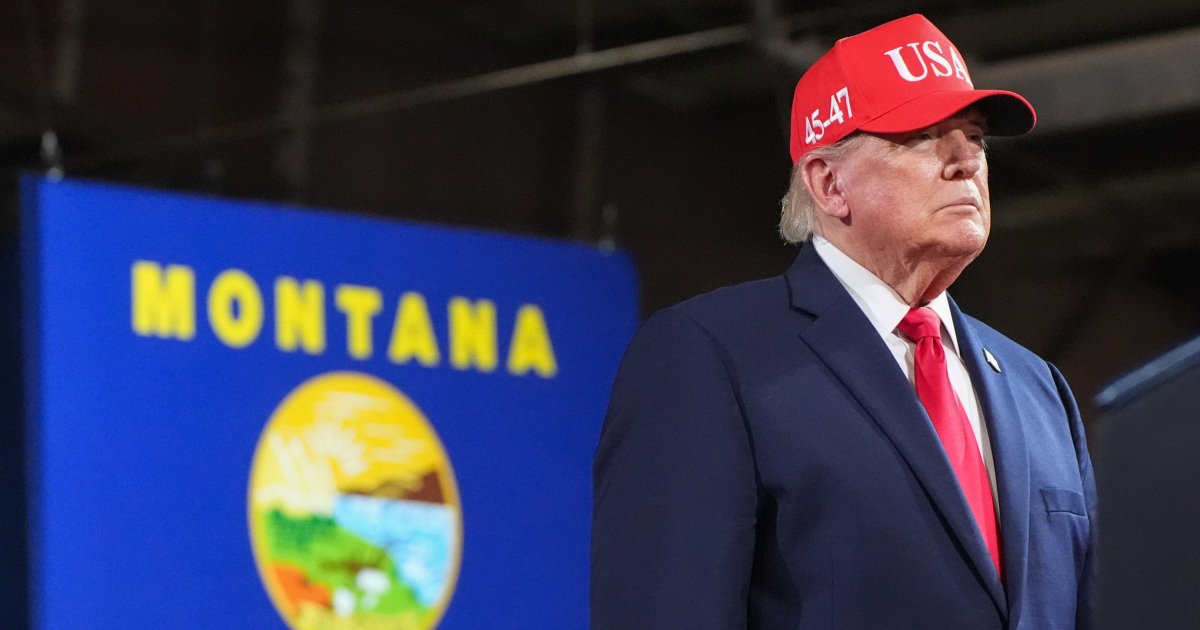
Cover image from nbcnews.com, which was analyzed for this article
President Trump held rallies in Arizona and Montana to boost Republican candidates ahead of the November midterms, focusing on the economy, national security, and gun rights. Democrats are highlighting voter frustration with prices and Trump himself as a potential drag.
PoliticalOS
Thursday, October 15, 2026 — Politics
Voter frustration with prices is measurable in multiple polls and interviews, yet both parties are betting their closing strategies on whether that frustration outweighs partisan loyalty. The cash advantage held by Republican outside groups gives GOP candidates more resources to blunt the message, but the outcome will turn on whether economic discontent proves decisive in the final three weeks.
What outlets missed
Most coverage omitted state-by-state polling on whether price increases have already altered midterm vote intentions. Few pieces supplied unemployment, wage growth or GDP figures alongside the inflation numbers to show the full economic picture. The timeline and congressional authorization status of U.S. actions in Iran received almost no detail, leaving readers without context on when costs began rising. Republican fundraising totals from individual donors versus super PACs were rarely broken out, obscuring how much of the cash edge is candidate-driven.
Economic Discontent Challenges Republican Financial Edge in Midterms
With three weeks until the 2026 midterms, Republicans hold a pronounced advantage in outside spending that could prove decisive in tight congressional races. Democratic campaign committees have warned in recent memos that Republican-aligned groups have assembled resources large enough to overwhelm paid advertising in key districts and states. Senate Majority PAC and House Majority PAC have each issued urgent appeals for tens of millions more in the final stretch, citing the risk that winnable seats could slip away without additional funds.
Yet multiple surveys show voters, including independents and some past Trump supporters, growing more pessimistic about their own finances. An exclusive Harris poll for the Guardian found 65 percent of independents now describe the economy as worse than a year earlier, up from 48 percent in late 2024. Even among Republicans, the share saying conditions are improving has fallen to 28 percent. Three-quarters of all respondents expressed concern about a possible recession, and 61 percent incorrectly believe one is already underway.
Focus groups conducted in Georgia by NPR captured similar frustrations. Eleven of twelve participants who had backed Trump in 2024 said they were disappointed with his performance, and ten expressed regret. Several cited rising costs for groceries, fuel, and health insurance as the main sources of strain. One self-employed caller to a SiriusXM program described his premiums as equivalent to a large mortgage payment and said the household was struggling to make ends meet despite supporting Trump “1,000 percent” in the last election.
National price data released this week showed consumer prices up 3.7 percent over the past year, with food costs rising 2.5 percent. Gas and grocery prices rank among the top issues cited by voters in an AP-NORC survey, ahead of immigration or crime. At campaign stops in Montana and Arizona, Trump has emphasized investment inflows and claimed low inflation, but attendees interviewed by NBC News described careful budgeting and combined errands to limit fuel use.
Democratic messaging has centered on connecting these household pressures to administration policy choices, including the ongoing conflict with Iran that has contributed to higher shipping costs. The approach echoes long-standing advice from figures such as Nancy Pelosi that voters respond most reliably to material conditions rather than broader cultural appeals. Republicans, for their part, continue to argue that tax cuts and deregulation will eventually deliver relief, while relying on their spending edge to define the closing weeks of the campaign.
The tension between financial superiority and eroding public confidence will likely shape turnout and persuasion efforts in the final fortnight. Polls indicate most voters want significant change in Washington, yet the ability of either side to convert that sentiment into votes remains constrained by the resources available for sustained messaging.
You just read Liberal's take. Want to read what actually happened?
More in Politics
Democrats Flip Senate, Expand House Majority in Midterms
Democrats flipped the Senate and expanded their House majority in a major rebuke to President Trump and Republicans. Key victories included multiple Senate seats and state-level wins that ended long-standing GOP dominance in places like Texas.
GOP Losses Spur Blame, Vance Distancing, 2028 Maneuvers
Republicans are pointing fingers internally after heavy losses, with Vice President JD Vance distancing himself from Trump over the Iran war and positioning for a potential 2028 run. Challengers within the party are already sensing opportunity.
Democrats Take House and Senate Amid Record Midterm Turnout
Democrats achieved decisive gains in the 2026 midterms, flipping seats to take control of both chambers. Coverage highlights historic turnout and implications for the Trump administration.
Democrats Take House and Senate, Constraining Trump
Democrats flipped both the House and Senate in a major rebuke to President Trump and Republicans. The results create divided government and set up battles over spending, oversight, and foreign policy for the remainder of Trump's term.
The Compass
You just read five takes on one story.
What's your take? Find your political shape in a few minutes.
Take the test