
Trump Rallies in Iowa, Kansas as Tight Senate Races Loom
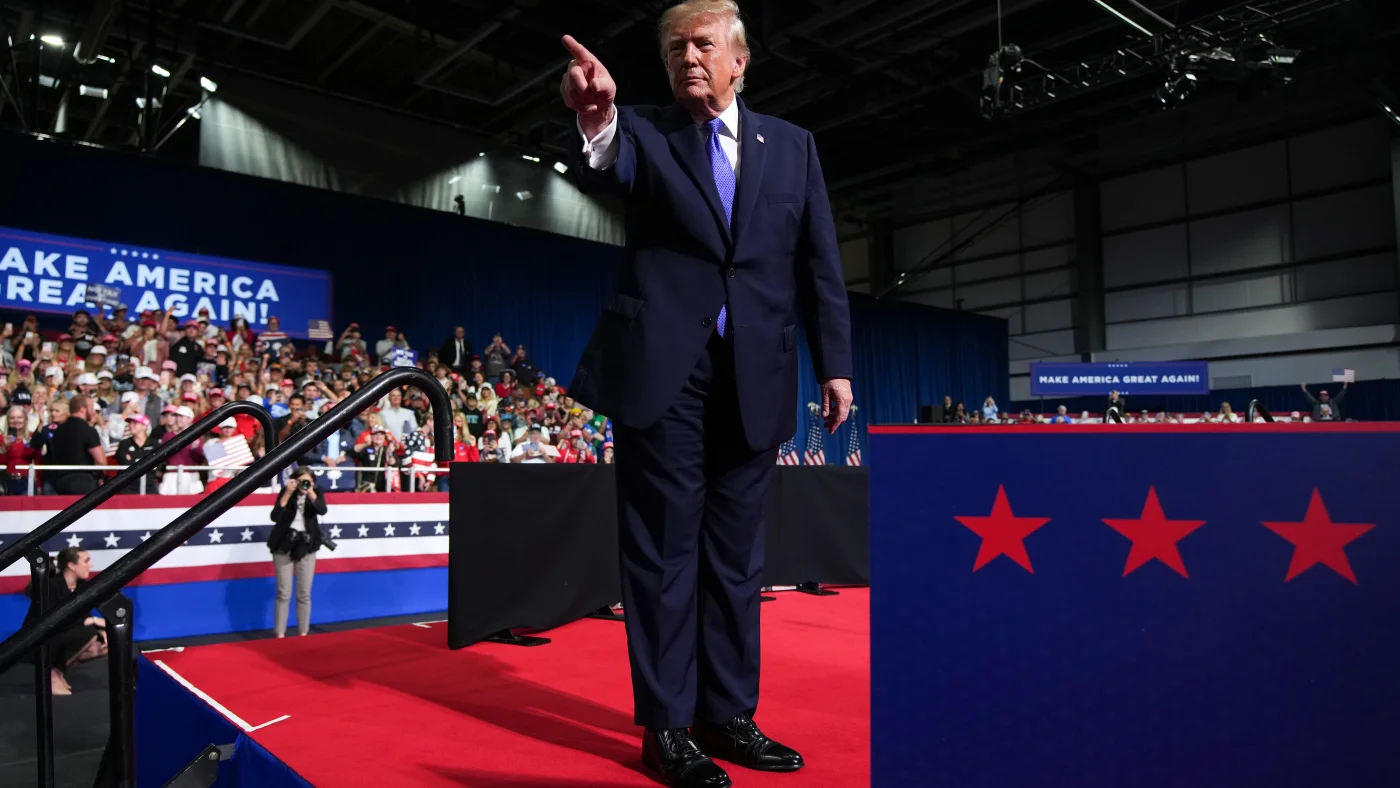
Cover image from npr.org, which was analyzed for this article
President Trump held in-person rallies to boost GOP turnout in key Senate and House races ahead of the November 3 midterms. Polls show some races tighter than expected in the Farm Belt.
PoliticalOS
Sunday, November 1, 2026 — Politics
The Iowa and Kansas Senate races remain among the most competitive on the map, with Trump’s final appearances aimed at narrowing polling deficits driven by voter concerns over prices and foreign policy. National trends favor Democrats, yet state-level margins are narrow enough that small shifts in participation could alter Senate control.
What outlets missed
No outlet supplied verified attendance figures or fundraising totals specific to the Iowa and Kansas events. Early-vote data broken down by party registration in those two states was absent. The precise content of Trump’s planned remarks for Sunday remained undisclosed beyond general scheduling announcements. Historical turnout patterns in Kansas Senate races since 1932 were referenced only in passing without updated demographic shifts among farm households.
Trump Rallies Show Voter Energy Polls Fail to Capture
With two days until the 2026 midterms, President Donald Trump has wrapped up a relentless string of campaign stops across red states, drawing the kind of crowds that have defined his political movement from the start. In places like South Carolina, Iowa, and Kansas, the events featured the same mix of blunt talk and high energy that first propelled him into office a decade ago. Trump himself sounded a reflective note at one stop, comparing his rallies to those of past figures and telling supporters they were witnessing something that would not come again.
Polls from outlets tracking the races give Democrats a national edge of roughly eight points, with averages showing 51.5 percent for Democrats against 43.1 percent for Republicans. Individual surveys in late October put the gap as wide as 13 points. Analysts point to voter frustration over high living costs tied to tariffs and the ongoing conflict with Iran as key drivers. Those same costs have hit working families hard, turning economic pressure into a central issue on the trail.
Yet the polling picture has not always matched final results when Trump himself was the focus, and this cycle features no presidential ballot to measure enthusiasm directly. Off-year and special elections earlier this year showed mixed signals, but the scale of Republican losses predicted by some forecasts clashes with the turnout at Trump events. He has held more than two dozen rallies in October alone, many in states where his endorsed Senate candidates face tight contests. The president framed the midterms as a referendum on his own record, urging voters to treat the races as if he were on the ballot.
Democratic efforts have centered on similar economic complaints while trying to shore up support in key states. In Michigan, candidate Abdul El-Sayed has drawn attention amid reports of heightened attacks on his background. National surveys continue to show dissatisfaction with the direction of the country, particularly among those feeling the squeeze of prices that have not eased despite promises from Washington. The war in Iran and its ripple effects on energy and supply chains remain a live factor in those complaints.
Trump's closing message has emphasized continuity with the America First priorities that built his coalition. Supporters at the events have voiced concerns over border security, trade deals, and endless foreign commitments that drain resources at home. The president has not hidden his view that many establishment voices in both parties would prefer to move past the disruptions he brought to Washington. Whether the polling averages hold or repeat the misses seen in earlier Trump-era contests will be settled Tuesday, but the crowds on the ground suggest the base remains engaged rather than demoralized.
You just read America First's take. Want to read what actually happened?
More in Politics
Democrats Flip Senate, Expand House Majority in Midterms
Democrats flipped the Senate and expanded their House majority in a major rebuke to President Trump and Republicans. Key victories included multiple Senate seats and state-level wins that ended long-standing GOP dominance in places like Texas.
GOP Losses Spur Blame, Vance Distancing, 2028 Maneuvers
Republicans are pointing fingers internally after heavy losses, with Vice President JD Vance distancing himself from Trump over the Iran war and positioning for a potential 2028 run. Challengers within the party are already sensing opportunity.
Democrats Take House and Senate Amid Record Midterm Turnout
Democrats achieved decisive gains in the 2026 midterms, flipping seats to take control of both chambers. Coverage highlights historic turnout and implications for the Trump administration.
Democrats Take House and Senate, Constraining Trump
Democrats flipped both the House and Senate in a major rebuke to President Trump and Republicans. The results create divided government and set up battles over spending, oversight, and foreign policy for the remainder of Trump's term.
The Compass
You just read five takes on one story.
What's your take? Find your political shape in a few minutes.
Take the test