
Trump Rallies in Alaska, Ohio to Bolster GOP Senate Candidates
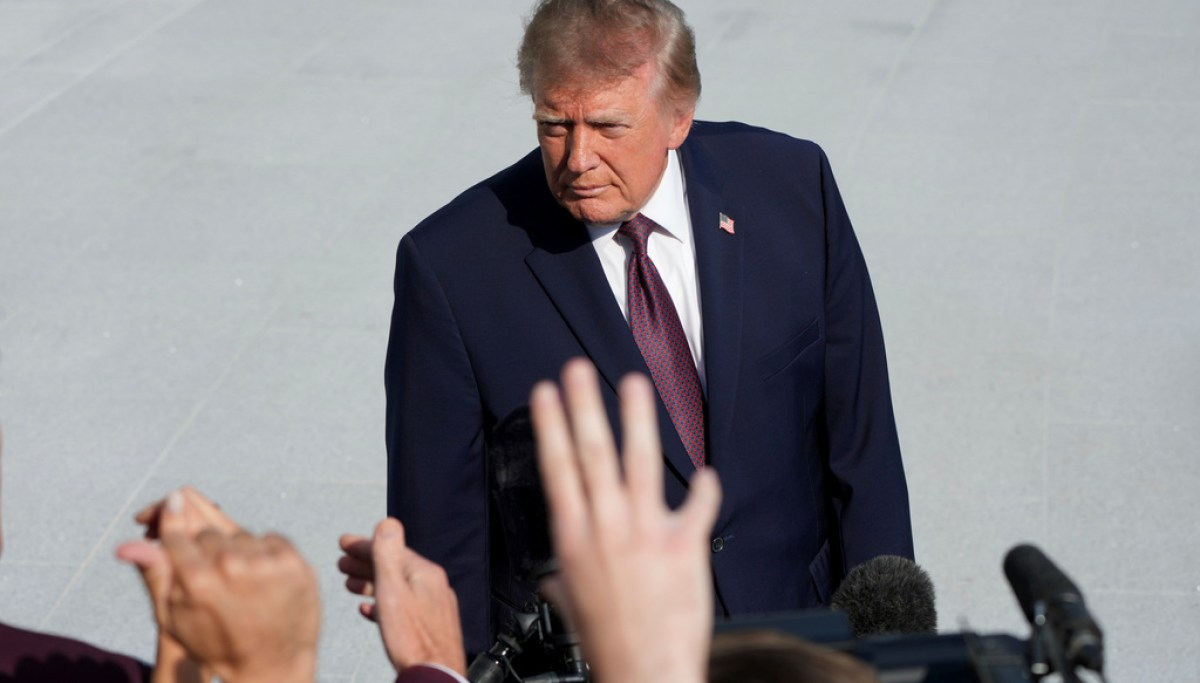
Cover image from washingtonexaminer.com, which was analyzed for this article
The president rallied in Wasilla for Sen. Dan Sullivan and faced empty seats at an Ohio event amid midterm concerns. Outlets across the spectrum covered the trips as signals of GOP vulnerability weeks before Election Day.
PoliticalOS
Saturday, October 3, 2026 — Politics
Trump's final-week travel to Alaska and Ohio reflects GOP efforts to protect Senate seats in states that have favored Republicans for decades, yet the absence of recent polling data leaves the scale of any shift unquantified. Economic pressures and Alaska's distinctive voting rules remain the clearest variables still in play.
What outlets missed
Neither outlet supplied polling margins or sample details for the Sullivan-Peltola race, leaving the claim of an "unexpectedly competitive" contest without a numerical baseline. The Independent mentioned a $54 billion energy investment but did not report reactions from Alaskan voters or industry groups to that announcement. Coverage omitted any description of turnout or crowd size at the Ohio event beyond a single photograph caption. No outlet addressed how Alaska's ranked-choice system has performed in prior federal races or whether it has altered turnout patterns.
Trump Hits Red State Trail to Fire Up Loyal Base for Midterm Push
President Trump drew thousands to a rally in Durant, Oklahoma, on Thursday, pressing supporters to turn out for Republican candidates even in states where victory seems assured. The event highlighted a deliberate strategy of focusing on deep-red territory rather than contested districts, as the president works to overcome what he has called a poor job of selling his own record ahead of the November elections.
David Coleman, a 54-year-old attendee at the Durant rally, admitted he knew little about the specific GOP names on the ballot. He said he would rely on Trump’s endorsement and even planned to use an online tool to identify the candidates afterward. Such loyalty to the president over down-ballot Republicans is exactly what Trump is counting on in the final weeks. He told the crowd to treat the race as if his own name were on the ballot, warning that staying home would jeopardize the America First agenda he has pursued since returning to office.
The itinerary takes Trump through strongholds in Texas, Oklahoma, and Alabama rather than the swing areas that typically decide House and Senate control. Trump urged voters not to assume victories for candidates like Texas Senate hopeful Ken Paxton and Oklahoma Representative Kevin Hern. His message centered on the need for personal turnout to protect policies on trade, immigration, and deregulation that defined his first two years back in the White House.
This approach comes as Trump has openly discussed shortcomings in how his administration has communicated its achievements. He has described the effort as a bad public relations job on multiple occasions this week, sometimes pointing to himself and sometimes to the broader team. The admissions mark a shift from his usual practice of blaming outside media coverage for any dip in support. Instead, he has stressed the need to reach voters directly in places where enthusiasm for the national ticket may not automatically carry over to state and local races.
The red-state stops allow Trump to bypass outlets that have spent years framing his record through a hostile lens. Supporters in Durant responded with the kind of energy that has defined his political movement since 2016, cheering references to border security and economic policies that delivered results before the pandemic disruptions. The president framed the midterms as a referendum on whether that direction continues or stalls under divided government.
Critics from the political class have portrayed the schedule as a sign of weakness, suggesting the party is struggling to motivate voters without Trump at the top of the ticket. Yet the crowds and the direct appeals indicate a calculation that personal contact in friendly territory can close the enthusiasm gap more effectively than chasing marginal districts where media narratives dominate. Trump has long argued that his strength lies in speaking plainly to Americans who feel ignored by Washington institutions and coastal press outlets.
With Election Day less than a month away, the president’s focus remains on converting personal popularity into concrete votes for Republicans who back his priorities. The Durant event underscored that the base remains intact and responsive when the message comes straight from him rather than filtered through intermediaries.
You just read America First's take. Want to read what actually happened?
More in Politics
Democrats Flip Senate, Expand House Majority in Midterms
Democrats flipped the Senate and expanded their House majority in a major rebuke to President Trump and Republicans. Key victories included multiple Senate seats and state-level wins that ended long-standing GOP dominance in places like Texas.
GOP Losses Spur Blame, Vance Distancing, 2028 Maneuvers
Republicans are pointing fingers internally after heavy losses, with Vice President JD Vance distancing himself from Trump over the Iran war and positioning for a potential 2028 run. Challengers within the party are already sensing opportunity.
Democrats Take House and Senate Amid Record Midterm Turnout
Democrats achieved decisive gains in the 2026 midterms, flipping seats to take control of both chambers. Coverage highlights historic turnout and implications for the Trump administration.
Democrats Take House and Senate, Constraining Trump
Democrats flipped both the House and Senate in a major rebuke to President Trump and Republicans. The results create divided government and set up battles over spending, oversight, and foreign policy for the remainder of Trump's term.
The Compass
You just read five takes on one story.
What's your take? Find your political shape in a few minutes.
Take the test