
Trump Rallies in Alaska, Ohio to Bolster GOP Senate Candidates
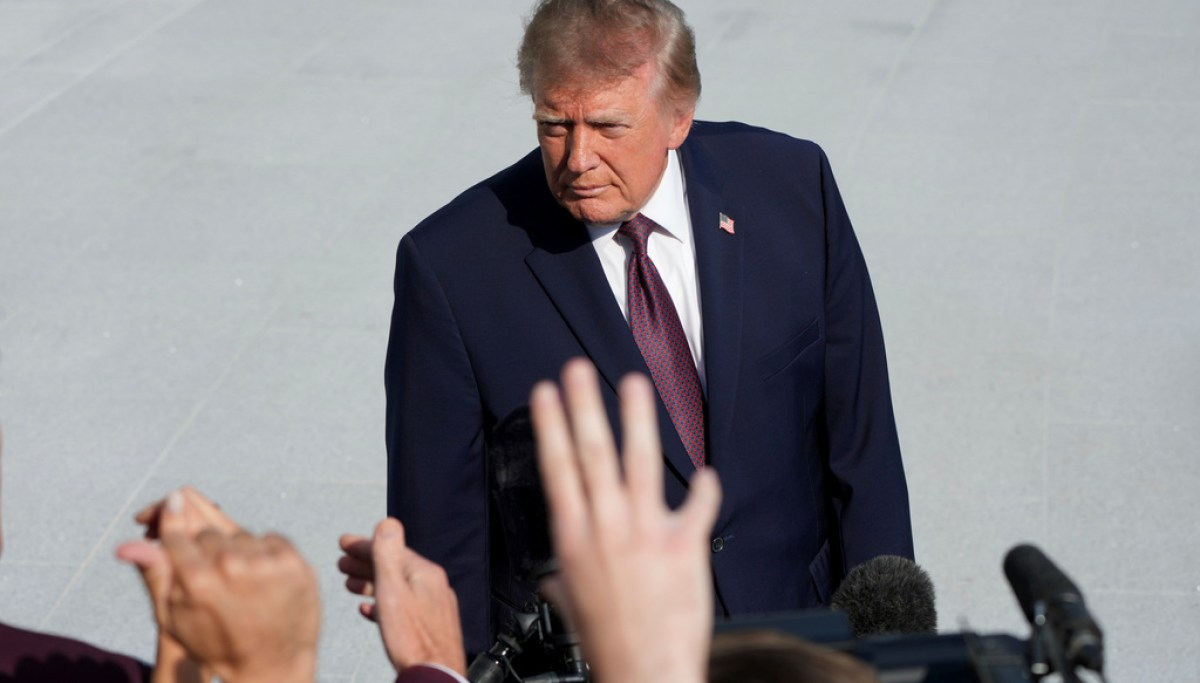
Cover image from washingtonexaminer.com, which was analyzed for this article
The president rallied in Wasilla for Sen. Dan Sullivan and faced empty seats at an Ohio event amid midterm concerns. Outlets across the spectrum covered the trips as signals of GOP vulnerability weeks before Election Day.
PoliticalOS
Saturday, October 3, 2026 — Politics
Trump's final-week travel to Alaska and Ohio reflects GOP efforts to protect Senate seats in states that have favored Republicans for decades, yet the absence of recent polling data leaves the scale of any shift unquantified. Economic pressures and Alaska's distinctive voting rules remain the clearest variables still in play.
What outlets missed
Neither outlet supplied polling margins or sample details for the Sullivan-Peltola race, leaving the claim of an "unexpectedly competitive" contest without a numerical baseline. The Independent mentioned a $54 billion energy investment but did not report reactions from Alaskan voters or industry groups to that announcement. Coverage omitted any description of turnout or crowd size at the Ohio event beyond a single photograph caption. No outlet addressed how Alaska's ranked-choice system has performed in prior federal races or whether it has altered turnout patterns.
Trump's Red-State Focus Highlights Struggles to Mobilize Voters and Sell His Record
President Donald Trump has shifted his midterm campaign efforts toward reliably Republican states such as Oklahoma, Texas and Alabama, a move that underscores concerns about voter enthusiasm for down-ballot candidates even as he publicly concedes shortcomings in promoting his administration's achievements.
At a rally Thursday in Durant, Oklahoma, Trump told supporters that the future of his America First agenda hinged on Republicans turning out to vote, urging them to back candidates including Texas Senate hopeful Ken Paxton and Oklahoma's Kevin Hern. He framed the election as if his own name were on the ballot, warning that voters could not assume victories for GOP contenders. The event drew thousands, including attendees like David Coleman, a 54-year-old local who admitted limited knowledge of the candidates but planned to support whoever Trump endorsed, saying he would consult ChatGPT for names if needed.
This itinerary marks a departure from Trump's earlier pledges to prioritize battleground districts that will determine congressional control. Instead, the stops target areas where Republicans hold strong advantages, betting that his personal appeal can draw out a base that might otherwise stay home without his name on the ticket. Supporters at such events often display fierce loyalty to Trump himself while showing only loose attachment to the broader Republican slate.
The president's appearances coincide with repeated admissions this week that his administration has done a poor job of public relations. Trump has acknowledged failures to effectively communicate what he views as successes from the first two years of his second term, sometimes placing blame on himself and at other times on the broader White House operation. This represents a notable shift for a leader who has long attributed unfavorable voter sentiment to media coverage rather than internal messaging gaps.
The combination of red-state rallies and these concessions points to challenges in sustaining momentum heading into the Nov. 3 election. Trump has positioned himself as his administration's most effective messenger, yet the need to campaign in safe territory suggests that base mobilization remains uncertain without direct intervention. In Oklahoma, he stressed that Republicans must actively participate rather than assume outcomes, a message repeated across his stops in strongholds.
Critics have noted that such tactics may reflect deeper difficulties in translating presidential popularity into consistent support for party candidates. With the final weeks of the campaign underway, the focus on areas already favoring Republicans could limit opportunities to influence competitive races, where turnout and persuasion efforts matter most. Trump's events continue to draw crowds drawn primarily by his presence, but the reliance on that draw in non-competitive districts leaves open questions about how the party will perform in districts that will decide the balance of power in Congress.
You just read Progressive's take. Want to read what actually happened?
More in Politics
Democrats Flip Senate, Expand House Majority in Midterms
Democrats flipped the Senate and expanded their House majority in a major rebuke to President Trump and Republicans. Key victories included multiple Senate seats and state-level wins that ended long-standing GOP dominance in places like Texas.
GOP Losses Spur Blame, Vance Distancing, 2028 Maneuvers
Republicans are pointing fingers internally after heavy losses, with Vice President JD Vance distancing himself from Trump over the Iran war and positioning for a potential 2028 run. Challengers within the party are already sensing opportunity.
Democrats Take House and Senate Amid Record Midterm Turnout
Democrats achieved decisive gains in the 2026 midterms, flipping seats to take control of both chambers. Coverage highlights historic turnout and implications for the Trump administration.
Democrats Take House and Senate, Constraining Trump
Democrats flipped both the House and Senate in a major rebuke to President Trump and Republicans. The results create divided government and set up battles over spending, oversight, and foreign policy for the remainder of Trump's term.
The Compass
You just read five takes on one story.
What's your take? Find your political shape in a few minutes.
Take the test