
Trump Primary Wins Clash With Midterm Headwinds

Cover image from rawstory.com, which was analyzed for this article
President Trump's strong primary endorsements contrast with low approval ratings and growing resistance from allies and institutions ahead of midterms. Coverage spans domestic policy fights and foreign strains including Iran.
PoliticalOS
Thursday, August 27, 2026 — Politics
Primary organizational wins give Republicans concrete momentum in candidate selection, yet low approval numbers, court blocks on map changes, and internal disputes over tariffs and election rules create measurable headwinds that will determine control of Congress in November.
What outlets missed
Several outlets omitted the procedural history behind Maryland’s redistricting amendment, including a prior non-binding court ruling that created the legal uncertainty the measure sought to address. Coverage of the Postal Service directive rarely included the May 2026 Federal Register notice that set the formal rulemaking timeline. Few pieces supplied margin-of-error figures or weighting details for the cited women’s poll, leaving readers without tools to assess sampling variability. Reactions from state election officials on implementation timelines appeared in only one report.
Voters head into the 2026 midterms with Republican candidates holding recent primary victories backed by President Trump endorsements, yet facing measurable resistance on multiple fronts. Approval ratings for the president sit near 32 percent among women and show net negatives in key states, while policy disputes over tariffs and foreign engagements add friction inside the party.
Redistricting fights produced concrete court outcomes this month. A Maryland circuit judge blocked a Democratic-backed constitutional amendment from the November ballot after finding the legislature missed its own July 1 certification deadline. Virginia’s Supreme Court earlier struck down a separate Democratic map proposal. Both rulings left existing district lines in place for the midterms. Republicans had already advanced their own map changes in Texas earlier in the cycle.
Election administration questions surfaced around a Trump executive order directing states to supply voter eligibility lists to the Postal Service for mail ballot screening. The Supreme Court allowed the process to proceed on a temporary basis, but a longtime Postal Regulatory Commission member told NOTUS that full implementation before September mailings would require training thousands of local offices in weeks rather than the usual year-long rollout, raising accuracy concerns.
Polling cited by Republican strategists shows Democrats leading among white women by eight points in one recent survey, reversing the 2024 margin. Economy and cost-of-living issues ranked highest among women respondents. GOP candidates in competitive races have highlighted tax changes on tips and overtime plus an expanded child tax credit as counter-messaging.
Foreign policy added separate pressure points. Ongoing U.S. involvement in Iran and new tariffs on Canada drew public criticism from Republican senators and House members concerned about effects on farm states and manufacturing districts. Primary results themselves reflected mixed signals: Trump-backed candidates prevailed in several contests, but overall party approval remained underwater in multiple independent surveys.
The central contest for November therefore sits between documented primary organizational strength and these accumulating policy, polling, and institutional constraints.
More in Politics

Trump Defends Ramaswamy Ad Using Estranged Mother in Ohio Race
President Trump defended a GOP nominee's ad featuring a Democratic opponent's estranged mother, calling it powerful, while drawing criticism from some Republicans including Ohio Gov. Mike DeWine. The ad has sparked internal GOP tensions ahead of midterms.
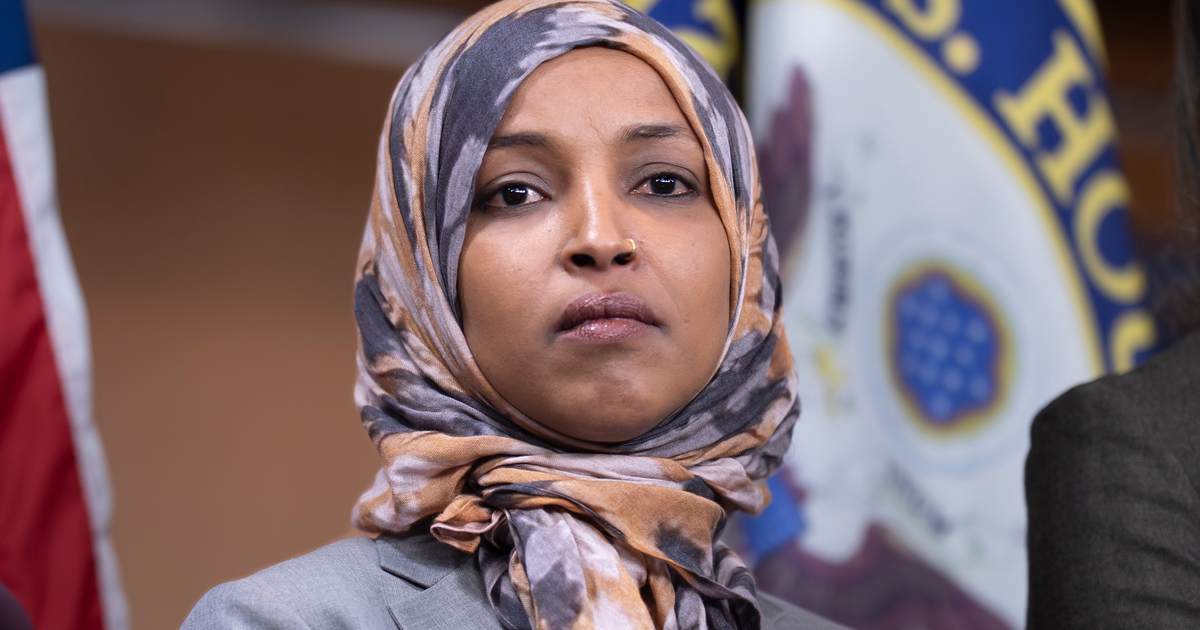
Federal Raid Targets Omar Amid Unresolved Name and Marriage Allegations
Agents searched Rep. Ilhan Omar's DC residence over immigration fraud allegations; she called it bizarre. Reports and commentary questioned her birth name and past marriage details.

Supreme Court Upholds New Hampshire Student ID Voting Ban
The Supreme Court upheld New Hampshire's ban on student IDs as valid voter identification just before midterms, affecting a tight Senate race.
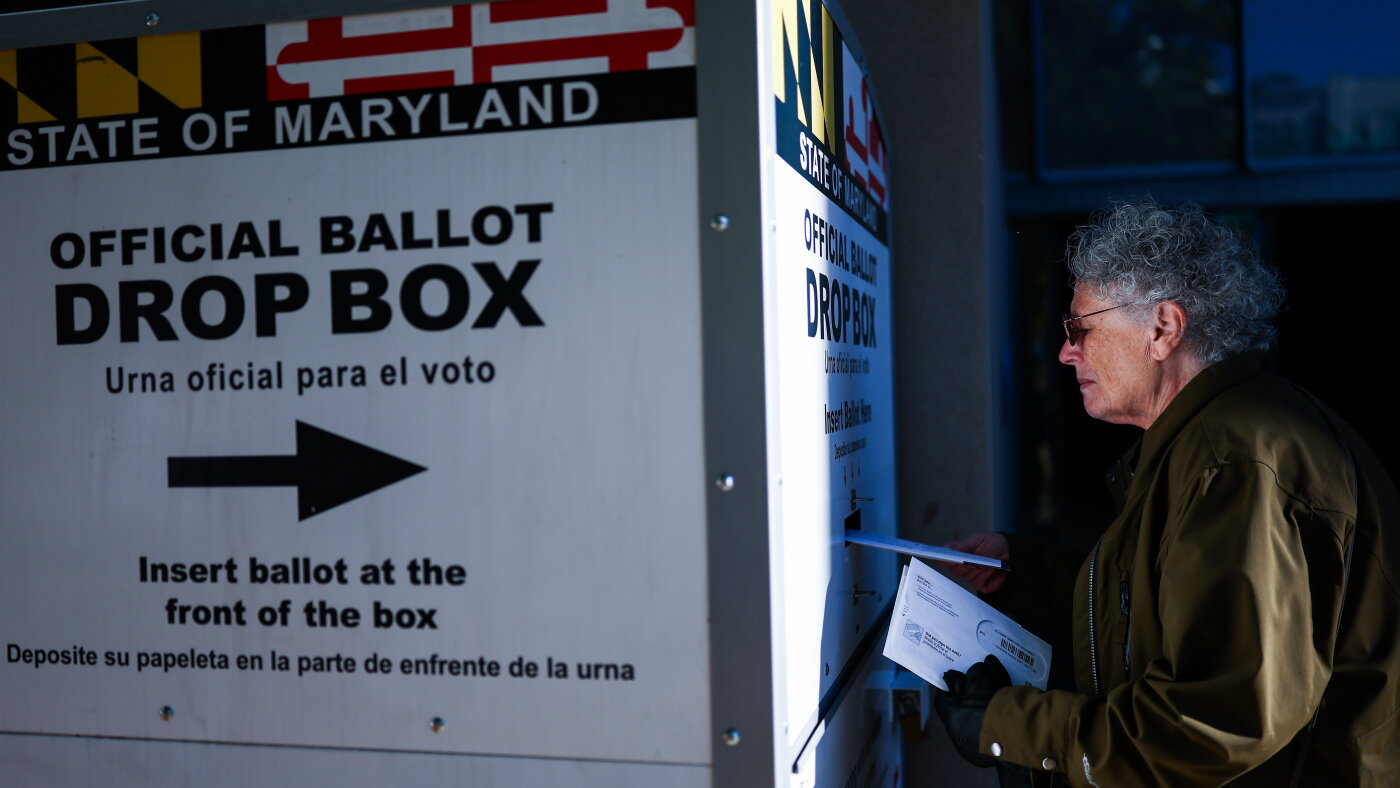
Early Voting Hits 21 Million as Most Trust Midterm Accuracy
Millions have already voted early as parties make final appeals amid $1.4 billion in ad spending; polls show confidence in election accuracy.
The Compass
You just read five takes on one story.
What's your take? Find your political shape in a few minutes.
Take the test