
Trump Orders DOJ Probe of Oil Firms Over Pump Prices
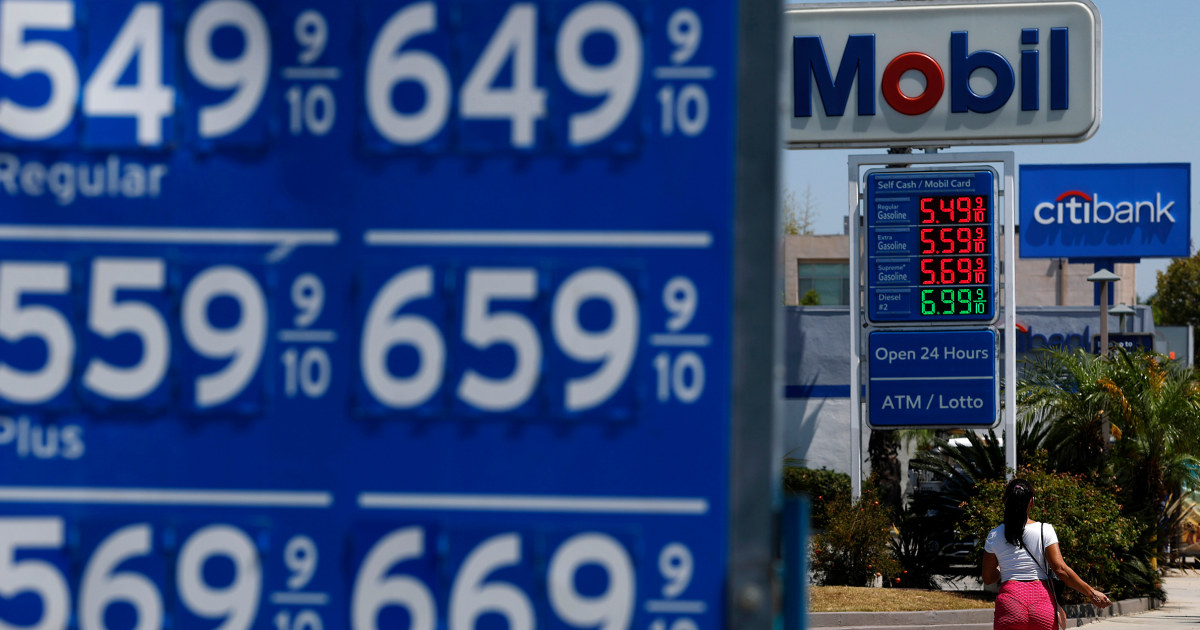
Cover image from nbcnews.com, which was analyzed for this article
The president called for a DOJ investigation into energy companies amid Iran-related market volatility. Left sources emphasize the attack on industry while some right coverage notes related Iran deal developments.
PoliticalOS
Wednesday, June 24, 2026 — Business
Trump's directive rests on the claim that retail prices have not tracked the recent drop in crude, yet published data show both wholesale and pump prices have declined since the Hormuz reopening. The gap between those two trends remains the central unresolved question.
What outlets missed
BBC alone supplied concrete benchmark prices for Brent and WTI crude before and after the Hormuz disruption, plus the exact U.S. gasoline average. Only Raw Story noted that pump prices had already fallen for six straight weeks. No outlet examined current refining margins or inventory data that would allow readers to assess the lag between wholesale and retail prices. The UK regulator's parallel finding received only passing mention in one report.
Gasoline prices remain a direct pressure on household budgets and a political risk for Republicans ahead of November midterms. President Donald Trump posted on Truth Social shortly after midnight that oil companies were failing to pass along sharply lower wholesale costs, and he directed the Department of Justice to investigate immediately.
"The big Oil Companies are not dropping their price at the pump commensurate with the sharply lower prices they are paying for Oil," Trump wrote. "Those prices are dropping like a rock! In other words, customers are being 'gouged.'" He did not name specific companies. The Justice Department has not confirmed receipt of any formal directive.
The accusation follows a steep but partial reversal in energy markets. Brent crude reached nearly $120 a barrel in May after Iran closed the Strait of Hormuz in response to U.S.-Israeli strikes, then fell below $76 a barrel this week once an interim reopening agreement took effect. West Texas Intermediate crude traded under $72, still above its pre-conflict level near $60. Average U.S. regular gasoline has declined to roughly $3.93 a gallon after exceeding $4 in April, yet remains well above the January average of about $2.76.
Economists note that retail prices incorporate state and local taxes plus normal lags between crude purchases and refined-product delivery. The BBC reported that a UK competition regulator found no widespread evidence of gouging after similar accusations there. Neither the White House nor the DOJ had responded to requests for comment by Wednesday morning.
More in Business & Economy

Major Banks Deliver Mixed Q3 Results on Trading Beats
JPMorgan, Goldman Sachs, Citigroup, and Wells Fargo reported Q3 figures, with revenue beats in trading but some estimate misses. CNBC provided live updates on the results and market reactions.

Oil Falls on Russian Diesel Outlook Despite Geopolitical Risks
Dow futures rose while Nasdaq faced pressure from tech weakness and elevated oil after geopolitical spikes. CNBC tracked premarket moves tied to earnings and Fed speeches.

Hall and Woodford Win Economics Nobel for Stabilization Models
American economists Robert E. Hall and Michael Woodford won the Nobel memorial prize for their research on managing economies through booms and busts, informing central bank policies on inflation and unemployment.

Skydance Closes Paramount-Warner Bros. Discovery Deal
The long-delayed media mega-merger cleared hurdles and began operations under Skydance, consolidating Hollywood power. Center and center-left outlets track the regulatory and business milestones.
The Compass
You just read five takes on one story.
What's your take? Find your political shape in a few minutes.
Take the test