
Trump Slams Pirro for Dropping Reflecting Pool Charges
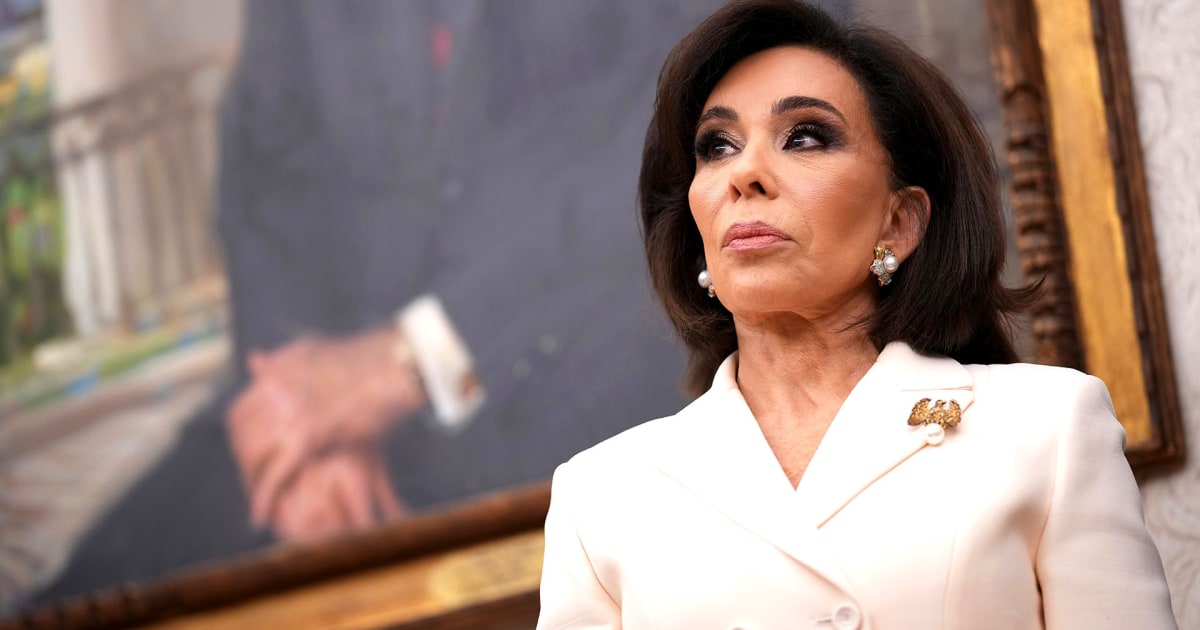
Cover image from today.com, which was analyzed for this article
The president publicly criticized US Attorney Jeanine Pirro for dropping charges in the Reflecting Pool vandalism case, calling her performance weak while reportedly holding off on firing her.
PoliticalOS
Tuesday, August 4, 2026 — Politics
The core dispute remains whether the Reflecting Pool damage constituted vandalism or contractor error, and whether that determination was reached before or after political pressure. Trump’s public criticism of Pirro has not yet produced a personnel change, leaving the U.S. Attorney’s status unresolved.
What outlets missed
Neither outlet examined the court record’s specific damage threshold or the timeline of when the administration first learned the liner failure was installation-related. The Independent article buried the contractor-error finding after personnel speculation, while today.com offered no facts at all. Both omitted the names of Hearn’s counsel and their direct statement that the government owed an apology. The $1,000 damage figure cited in the original charging documents also went unmentioned, leaving readers without scale for the original allegation versus the reversal.
Pirro Stands Firm on Reflecting Pool Decision Despite Presidential Criticism
President Donald Trump has not removed Jeanine Pirro from her post as U.S. Attorney for the District of Columbia after she moved to dismiss charges in a case tied to damage at the Lincoln Memorial Reflecting Pool. The move came after federal officials acknowledged that the harm stemmed from a contractor's faulty work on a $14 million renovation rather than any deliberate act.
Pirro filed the dismissal motion on Friday involving Olympic athlete David Hearn, who had faced accusations related to the site. Administration records showed the blue liner installed during the overhaul suffered from installation errors, not sabotage. This admission shifted the matter from potential criminal intent to questions of project oversight and execution.
Trump expressed strong disagreement over the weekend, stating on Truth Social that he disagreed completely with Pirro's handling and questioning her reasoning. Sources close to the administration indicated the president felt caught off guard by the filing and spent time reviewing the sequence of events. A Monday meeting between Trump, Pirro, and Interior Secretary Doug Burgum ended without any personnel change or resignation.
The Reflecting Pool renovation has drawn scrutiny for cost overruns and performance shortfalls since its completion. Government contracts for such public works often involve multiple layers of approval, yet final accountability frequently lands on individual defendants when problems surface. In this instance, the decision to drop charges aligned with evidence that no crime occurred once the contractor's role was confirmed.
Pirro, a former judge and prosecutor with decades in the legal system, has maintained a record focused on case outcomes rather than public spectacle. Her action prevented further proceedings against an individual once facts clarified the source of the damage. Similar patterns appear in other federal projects where initial assumptions of misconduct give way to documentation of technical failures.
The episode highlights recurring issues in large-scale government infrastructure efforts. Budget allocations for maintenance and upgrades at national landmarks have expanded over time, yet results depend on contractor performance and agency supervision. When those elements fall short, pressure to assign blame can lead to early legal steps that later require reversal.
No further actions against Pirro have been announced. The administration continues to address broader questions of federal spending and project management across agencies. Data from past audits of D.C.-area renovations show repeated instances where installation defects, rather than external interference, accounted for visible problems.
This case serves as one data point in ongoing reviews of how federal resources are deployed. Clear separation between evidence of wrongdoing and ordinary contracting shortfalls remains essential to maintaining consistent application of law.
You just read Conservative's take. Want to read what actually happened?
More in Politics
Democrats Flip Senate, Expand House Majority in Midterms
Democrats flipped the Senate and expanded their House majority in a major rebuke to President Trump and Republicans. Key victories included multiple Senate seats and state-level wins that ended long-standing GOP dominance in places like Texas.
GOP Losses Spur Blame, Vance Distancing, 2028 Maneuvers
Republicans are pointing fingers internally after heavy losses, with Vice President JD Vance distancing himself from Trump over the Iran war and positioning for a potential 2028 run. Challengers within the party are already sensing opportunity.
Democrats Take House and Senate Amid Record Midterm Turnout
Democrats achieved decisive gains in the 2026 midterms, flipping seats to take control of both chambers. Coverage highlights historic turnout and implications for the Trump administration.
Democrats Take House and Senate, Constraining Trump
Democrats flipped both the House and Senate in a major rebuke to President Trump and Republicans. The results create divided government and set up battles over spending, oversight, and foreign policy for the remainder of Trump's term.
The Compass
You just read five takes on one story.
What's your take? Find your political shape in a few minutes.
Take the test