
Pope Clarifies 'Tyrants' Speech Not Aimed at Trump as Iran War Dispute Widens
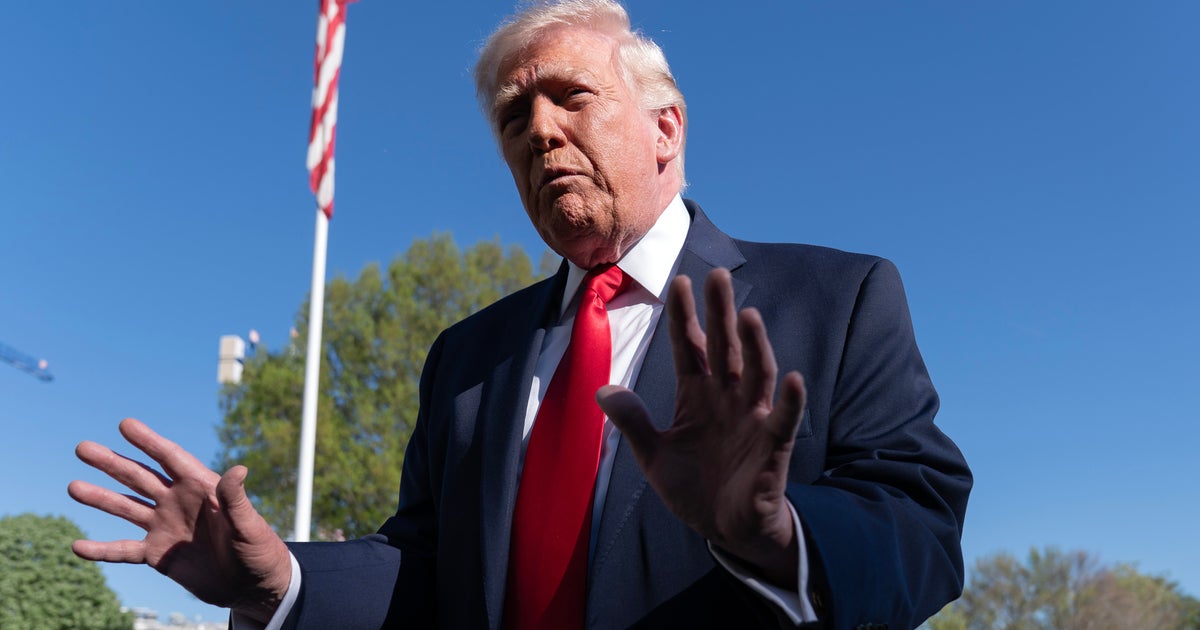
Cover image from huffpost.com, which was analyzed for this article
Pope Leo XIV clarifies his 'tyrants' comments were not aimed at Trump but decries escalations in Ukraine and Iran, calling for weapons to fall silent. The dispute has escalated, inspiring political cartoons and linking to concerns over Christians persecuted in Iran. The American pope's stance critiques US involvement in global conflicts.
PoliticalOS
Monday, April 13, 2026 — Politics
The core issue is whether moral objections to the human cost of war in Iran and Ukraine can be voiced by the spiritual leader of 1.4 billion Catholics without being cast as political interference or naivete about regimes that persecute Christians and pursue nuclear weapons. Verified events show both sides have stepped back from personal animosity, yet the underlying tension between just-war criteria and calls for immediate silence of weapons remains unsettled. Readers should weigh corroborated casualty data, the sequence of Iranian actions that preceded U.S. strikes, and the pope's consistent emphasis on civilian protection across multiple conflicts rather than any single inflammatory quote.
What outlets missed
Most outlets underplayed the verified triggers for Operation Epic Fury, including Iran's closure of the Strait of Hormuz and sponsorship of attacks on shipping and neighbors, details carried in CENTCOM statements and CFR trackers but rarely juxtaposed with papal criticism. Accurate cumulative death tolls from Iran's protest crackdowns and the 2026 war itself hover in the low thousands to mid-tens of thousands per Amnesty, Reuters and Statista; inflated claims of hundreds of thousands or 42,000 protesters killed in two months appeared in only a few pieces and could not be independently verified. Coverage also largely omitted the pope's parallel appeals on Ukraine following a mid-April Russian barrage that killed at least 17 civilians, as well as the correct timeline and locations of his African tour events confirmed by Vatican News. Finally, few noted that Leo's broader calls for civilian protection applied to multiple conflicts including Sudan, or that just-war criteria cited by Vance and Johnson require last resort, defensive cause and avoidance of greater evils, a framework the cardinals on 60 Minutes argued was not met.
For millions watching global conflicts grind on in Ukraine and the Middle East, the public exchange between President Donald Trump and Pope Leo XIV has sharpened a deeper unease: can appeals for peace influence decisions that leaders describe as essential for security, or do they risk undermining action against regimes that persecute their own people? The first American pope, elected last year, has repeatedly called for de-escalation in both theaters. On April 18, aboard a flight from Cameroon to Angola during his African tour, he stated that a recent speech decrying "tyrants" who spend billions on weapons while neglecting healing and education had been prepared two weeks earlier, well before Trump's public criticisms. "It is not in my interest at all" to debate the president, Leo said, according to transcripts from Vatican reporters and multiple outlets including BBC and CBS News. He reiterated his core message: weapons must fall silent, dialogue must prevail, and moral questions about the impact on civilian populations cannot be ignored.
The sequence began with U.S. and Israeli strikes under Operation Epic Fury on February 28, 2026, targeting Iranian military assets after Iran closed the Strait of Hormuz and backed proxy attacks, according to U.S. Central Command statements. Pope Leo expressed "deep concern" the following day and warned against a "spiral of violence." A two-week ceasefire took effect April 7. Trump, responding in part to a "60 Minutes" segment featuring U.S. cardinals who argued the conflict did not meet just-war criteria under Catholic teaching, posted on Truth Social that the pope was "WEAK on Crime, and terrible for Foreign Policy." He added that he did not want a pope comfortable with Iran acquiring nuclear weapons and suggested Leo's election owed something to the need to manage relations with his administration. Trump later told reporters he was "not a big fan" of the pope, describing him as "very liberal" and skeptical of measures to prevent Iran from obtaining a nuclear weapon. Vice President JD Vance, a Catholic convert, told Fox News the Vatican should largely "stick to matters of morality" while acknowledging that comments on war invite conversation. Vance challenged the pope's statement that God "is never on the side of those who once wielded the sword and today drop bombs," citing World War II liberations of France and Holocaust camps.
House Speaker Mike Johnson, an evangelical, told reporters he was "taken a little bit aback" by the pope's remark that God does not listen to the prayers of those who wage war. Johnson pointed to just-war doctrine, which requires a defensive cause, last resort, and prospect of success without creating greater evils, and said classified briefings informed the administration's view that removing Iran's capacity to sponsor terrorism could save millions of lives. On April 16 Trump repeated a claim that Iran had killed 42,000 protesters in recent months, a figure that could not be independently verified; estimates from Reuters, the Guardian and Statista place total protest-related deaths since late 2025 in the low thousands to mid-tens of thousands when including broader crackdowns. The president also said he had "a right to disagree" and that the world is "nasty," while adding he had no personal quarrel with Leo and saw no need for a meeting.
Leo responded that his words were not attacks on any individual but reflections of the Gospel message "Blessed are the peacemakers." He added he had "no fear of the Trump administration" and believed the church's role is to proclaim that message rather than conduct foreign policy. In Cameroon he condemned leaders who ignore the human cost of conflict and described an "endless cycle of destabilisation and death" in a bloodstained region plagued by insurgency for nearly a decade. The pontiff also addressed escalations in Ukraine, calling for weapons to fall silent after a major Russian barrage in mid-April that killed at least 17 civilians according to Institute for the Study of War reporting. On the flight to Angola he clarified that a developing narrative linking his Cameroon remarks directly to Trump was "not accurate in all of its aspects."
The dispute has drawn in other voices. Iranian President Masoud Pezeshkian condemned insults to the pope on behalf of Iran. An opinion column by Marziyeh Amirizadeh, an Iranian-American Christian who was sentenced to death in 2009 for apostasy and later released after international pressure, argued that the real threat to Iranians and Christians comes from the Islamic Republic, which she described as evil and responsible for widespread executions. Amirizadeh said Pope Benedict XVI had supported her case, though that specific claim could not be independently verified in Vatican records or her own earlier book. She called on Leo to speak more forcefully for persecuted Christians, noting that underground churches are growing in Iran despite risks of torture and imprisonment. Estimates of executions since 1979 vary; human-rights groups document tens of thousands over decades, with 2025 peaking near 1,600 according to Iran Human Rights and Amnesty International. Claims of "hundreds of thousands" this year alone or since the revolution were not corroborated by those monitors.
Political cartoons proliferated, most depicting the exchange as one-sided aggression or absurdity, though the selection in some collections skewed toward mockery of Trump without showing counter-perspectives. Al-Monitor's dispatch on the pope's Africa trip contained errors, placing a large Mass and Ukraine appeal in Luanda, Angola, on April 19 when Vatican News, AP and CNN confirm the 100,000-person Mass occurred April 17 in Douala, Cameroon, and the pope's April 18 Angola events centered on meetings with the president and development appeals rather than a public Mass. The outlet also conflated praise for an Israel-Lebanon ceasefire with an earlier U.S.-Iran one. Such discrepancies highlight the need to cross-check papal itineraries against primary Vatican sources.
The central tension remains unresolved: whether a pope's moral critique of warfare, rooted in protection of civilians and skepticism of violence as solution, conflicts with a president's duty to confront what his administration calls an existential sponsor of terrorism, especially when that regime persecutes religious minorities including Christians. Leo has emphasized he is not a politician and that his pre-written remarks were not personal. Trump has maintained he welcomes the pope's speech but will pursue policies he was elected to enact. As the African tour continues across 11 cities in four countries, where more than 288 million Catholics now live, the exchange underscores how an American pontiff's voice on global conflicts inevitably collides with American power. Casualty figures from the Iran operation hover around 3,400 total deaths, including roughly 1,200 civilians from coalition strikes according to Reuters and Al Jazeera tallies, plus 13 U.S. troops. These numbers, like the precise triggers for Operation Epic Fury, receive less attention than the personal barbs. Both sides have expressed a desire to avoid perpetual combat, yet the question of what de-escalation looks like when nuclear ambitions, proxy militias and religious persecution intersect continues to divide.
More in Politics

Federal Agents Search Omar Home in Ongoing Immigration Probe
Homeland Security agents searched the Minnesota Democrat's DC residence in a criminal probe, prompting accusations of political intimidation from Omar and Democratic leaders. Coverage spans left-leaning outlets like NPR, BBC, and The Guardian alongside right-leaning criticism from The Federalist and Daily Wire.

Trump Diesel Import Plan Draws Pushback Over Russia Ties
The weekend agreement drew bipartisan congressional pushback and criticism from Ukraine's Zelenskyy, with analysts downplaying US fuel price impacts. Right-leaning outlets like National Review, Dispatch, and Washington Examiner questioned its legality and effectiveness.

Independents Test Voter Appetite for Middle Ground in 2026 Midterms
Nearly 200 independents are running in competitive races as voters weigh ballot measures on housing costs in states like Massachusetts. Left-leaning coverage from NYT, NPR, and Guardian highlights turnout and key races while right outlets focus on GOP strategy.
Trump Rallies in Alaska, Ohio to Bolster GOP Senate Candidates
The president rallied in Wasilla for Sen. Dan Sullivan and faced empty seats at an Ohio event amid midterm concerns. Outlets across the spectrum covered the trips as signals of GOP vulnerability weeks before Election Day.
The Compass
You just read five takes on one story.
What's your take? Find your political shape in a few minutes.
Take the test