
Trump Reinstates Hormuz Blockade and Tolls as Strikes Resume

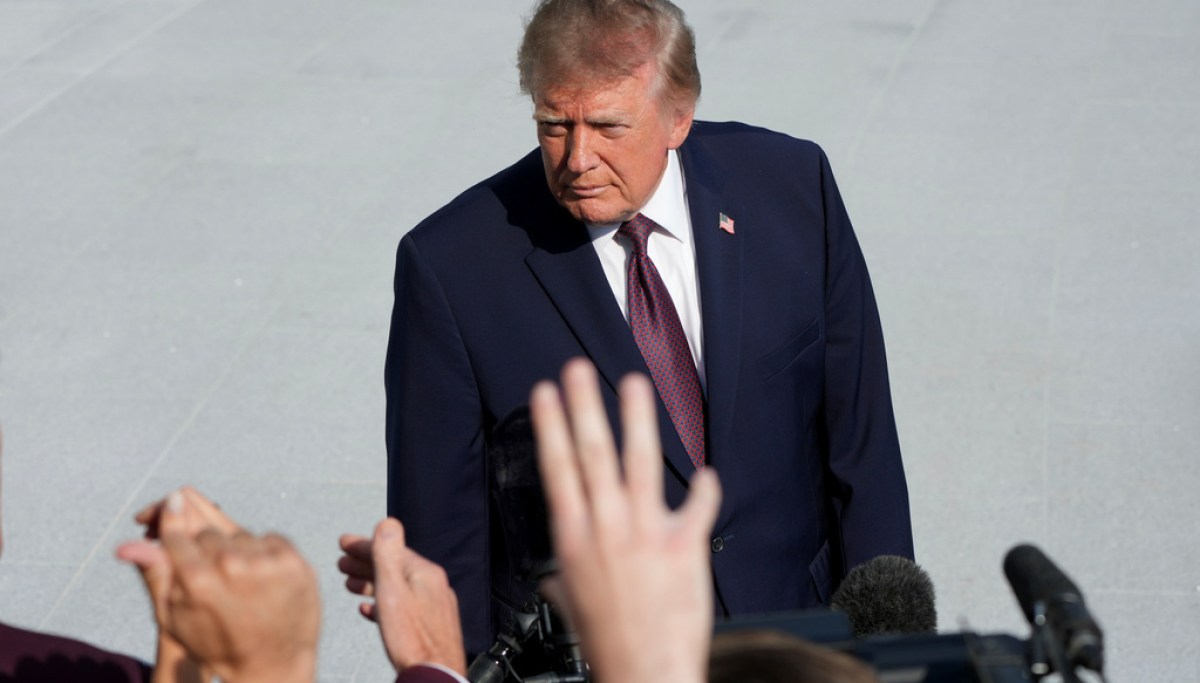
Cover image from aljazeera.com, which was analyzed for this article
President Trump ordered renewed US strikes on Iranian targets and a blockade with tolls on the Strait of Hormuz after the ceasefire collapsed. Iran retaliated with attacks on tankers and Gulf states, driving oil prices higher.
PoliticalOS
Friday, May 8, 2026 — Politics
Control of the Strait of Hormuz now hinges on whether either side can sustain a blockade or toll without triggering wider economic shock. The central unresolved question is whether the 20 percent fee can be collected and enforced under international law or whether it will simply replicate the price effects of closure.
What outlets missed
Most coverage omitted the explicit language in the June memorandum of understanding that allowed Iran to “make arrangements” for safe passage after an initial 60-day fee-free period, a clause that directly explains Tehran’s claim to management rights. Few reports included the precise casualty breakdown from the UAE Ministry of Defense or the names of the two struck tankers. Almost no outlet examined the legal precedent cited by the International Maritime Organization against mandatory strait tolls or the 52 percent drop in daily transits recorded by Kpler between July 10 and 12.
Global energy markets face renewed pressure as the United States and Iran exchange strikes over control of the Strait of Hormuz, a waterway that carries roughly one-fifth of the world’s traded oil. Oil prices climbed more than 9 percent on Monday to about $81 a barrel for Brent crude, their highest level since mid-June, after crossings through the strait fell by about 52 percent in recent days.
The immediate trigger was the collapse of a month-old memorandum of understanding that had produced a fragile ceasefire. President Trump notified Congress on July 10 that fighting resumed on July 7 and, on Monday, directed U.S. Central Command to conduct a third consecutive night of strikes. CENTCOM stated the five-hour operation, which began at 4:45 p.m. ET, targeted coastal defense systems, missile and drone sites, and maritime capabilities at Bushehr, Chabahar, Jask, Konarak, Abu Musa, and Bandar Abbas. Iranian state media reported explosions in the same areas and said one projectile struck western Bandar Abbas without causing casualties.
Iran responded with attacks on commercial shipping and U.S.-linked facilities. The UAE Ministry of Defense reported that two of its tankers, the Mombasa and the Bahia, were hit by Iranian cruise missiles in Omani waters inside the strait; one Indian crew member was killed and eight others wounded, six of them Indian and two Ukrainian. The Islamic Revolutionary Guard Corps claimed responsibility, stating the vessels had ignored warnings and entered a mined route. Iran also launched drones at a U.S. Patriot battery and other facilities in Kuwait, struck the U.S. Fifth Fleet base at al-Juffair in Bahrain, and fired ballistic missiles toward a U.S. airbase in Jordan; Jordan’s army said it intercepted four incoming missiles.
Trump announced that the United States would reinstate its naval blockade of Iranian ports at 4 p.m. EDT Tuesday and would charge a 20 percent fee on cargo transiting the strait to recover protection costs. He told reporters the United States was “protecting a very rich portion of the world” and expected reimbursement. Iranian Foreign Minister Abbas Araghchi replied on social media that whoever provides safe passage “should be compensated” and asserted that Iran “has always been the GUARDIAN of the Strait and will remain so FOREVER.” The International Maritime Organization stated there is no legal basis for mandatory tolls on straits used for international navigation.
Both sides have described the resumed fighting as limited. Trump said a deal remains possible; Iranian parliamentarian Ebrahim Azizi said Tehran would defend its red lines on Hormuz management. Shipping analysts note that any sustained toll or blockade would raise delivered energy prices regardless of which party collects the fee.
More in Politics

Federal Agents Search Omar Home in Ongoing Immigration Probe
Homeland Security agents searched the Minnesota Democrat's DC residence in a criminal probe, prompting accusations of political intimidation from Omar and Democratic leaders. Coverage spans left-leaning outlets like NPR, BBC, and The Guardian alongside right-leaning criticism from The Federalist and Daily Wire.

Trump Diesel Import Plan Draws Pushback Over Russia Ties
The weekend agreement drew bipartisan congressional pushback and criticism from Ukraine's Zelenskyy, with analysts downplaying US fuel price impacts. Right-leaning outlets like National Review, Dispatch, and Washington Examiner questioned its legality and effectiveness.

Independents Test Voter Appetite for Middle Ground in 2026 Midterms
Nearly 200 independents are running in competitive races as voters weigh ballot measures on housing costs in states like Massachusetts. Left-leaning coverage from NYT, NPR, and Guardian highlights turnout and key races while right outlets focus on GOP strategy.
Trump Rallies in Alaska, Ohio to Bolster GOP Senate Candidates
The president rallied in Wasilla for Sen. Dan Sullivan and faced empty seats at an Ohio event amid midterm concerns. Outlets across the spectrum covered the trips as signals of GOP vulnerability weeks before Election Day.
The Compass
You just read five takes on one story.
What's your take? Find your political shape in a few minutes.
Take the test