
Trump Declares US-Iran Ceasefire Over After Hormuz Strikes

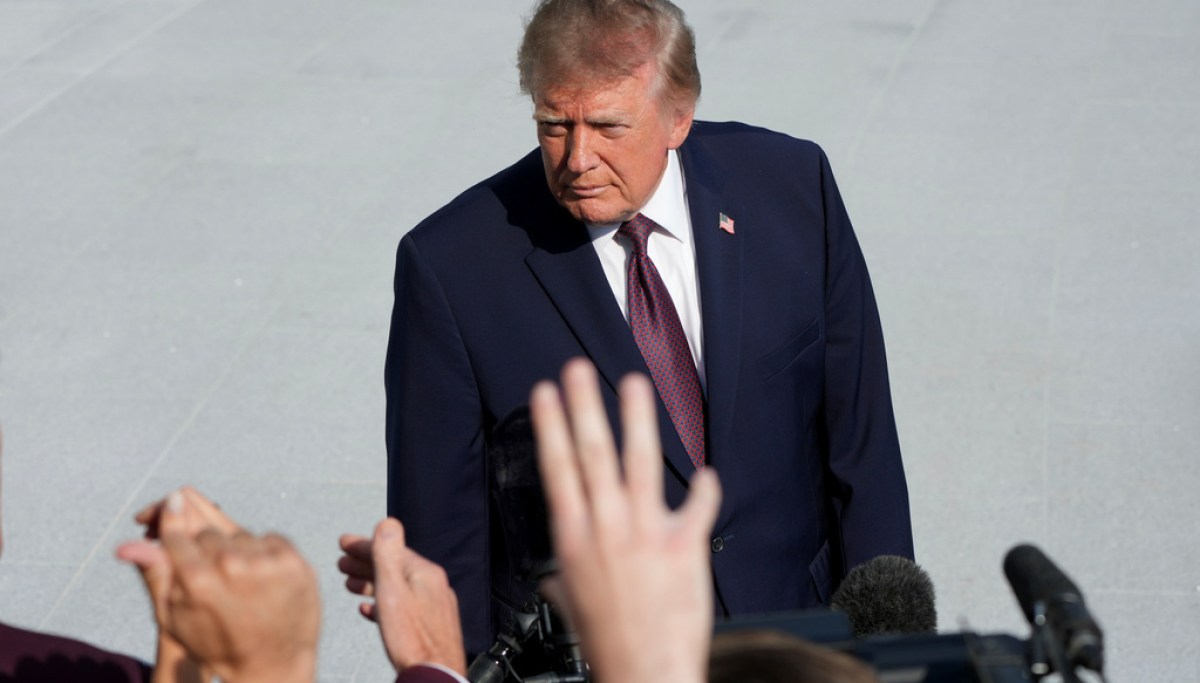
Cover image from npr.org, which was analyzed for this article
US forces struck over 80 Iranian targets after attacks on commercial ships in the Strait of Hormuz. Iran responded with missiles on US sites in Bahrain and Kuwait, prompting Trump to declare the ceasefire finished during the NATO summit.
PoliticalOS
Wednesday, July 8, 2026 — Politics
The June memorandum remains in place only on paper; both governments now accuse each other of violating its core shipping and sanctions terms. Any sustained closure or further attacks on the Strait of Hormuz would immediately affect roughly 20 percent of global oil trade, regardless of which side is assigned primary responsibility.
What outlets missed
Most coverage omitted the specific names of the three struck commercial vessels and the fact that one carried Qatari liquefied natural gas, a detail that directly involved a mediator in the talks. Few outlets noted the reported downing of a US MQ-9 drone claimed by Iran or the precise target categories listed by US Central Command. The funeral timing for Khamenei and the resulting pause in operations were mentioned inconsistently, leaving readers without full context for the rapid resumption of strikes.
Global oil markets face renewed pressure after the latest breakdown in efforts to end fighting between the United States and Iran. Attacks on commercial ships in the Strait of Hormuz triggered US strikes on more than 80 Iranian targets, followed by Iranian missile and drone launches against US-linked sites in Bahrain and Kuwait. The sequence has placed the June memorandum of understanding under direct strain.
US Central Command stated that its overnight operation hit Iranian air-defense systems, command nodes, coastal radar, anti-ship missiles and more than 60 Islamic Revolutionary Guard Corps small boats. The stated purpose was to degrade Iran’s capacity to threaten shipping. Iran’s Islamic Revolutionary Guard Corps reported striking 85 US facilities in Bahrain and Kuwait in response; Kuwaiti forces said they intercepted two ballistic missiles and 13 drones. One IRGC naval officer was reported killed in Iran.
Speaking alongside NATO Secretary General Mark Rutte at the Ankara summit, President Trump said the interim agreement was finished. He described Iranian leaders as “scum,” “sick people” and “liars,” adding that further talks would be “a waste of time.” He left open the possibility that US negotiators Steve Witkoff and Jared Kushner could continue discussions. Iranian parliamentary speaker Mohammad Bagher Ghalibaf accused the United States of breaching the memorandum through renewed sanctions and strikes, stating that “the era of bullying and extortion is over.”
The memorandum, signed 17 June, had suspended major hostilities for 60 days, required Iran to facilitate safe passage through the strait, and set a framework for longer-term talks on sanctions and Iran’s nuclear program. Both sides had previously accused the other of violations. Oil prices rose more than 5 percent after Trump’s remarks, though they remained below earlier peaks reached during full closure of the strait. NATO Secretary General Mark Rutte called the US strikes “absolutely necessary.”
The attacks occurred during funeral ceremonies for Iran’s late Supreme Leader Ayatollah Ali Khamenei. Shipping data showed at least four tankers turning back from the strait. No independent damage assessments or casualty totals beyond the single reported IRGC death have been released by neutral observers.
More in Politics

Federal Agents Search Omar Home in Ongoing Immigration Probe
Homeland Security agents searched the Minnesota Democrat's DC residence in a criminal probe, prompting accusations of political intimidation from Omar and Democratic leaders. Coverage spans left-leaning outlets like NPR, BBC, and The Guardian alongside right-leaning criticism from The Federalist and Daily Wire.

Trump Diesel Import Plan Draws Pushback Over Russia Ties
The weekend agreement drew bipartisan congressional pushback and criticism from Ukraine's Zelenskyy, with analysts downplaying US fuel price impacts. Right-leaning outlets like National Review, Dispatch, and Washington Examiner questioned its legality and effectiveness.

Independents Test Voter Appetite for Middle Ground in 2026 Midterms
Nearly 200 independents are running in competitive races as voters weigh ballot measures on housing costs in states like Massachusetts. Left-leaning coverage from NYT, NPR, and Guardian highlights turnout and key races while right outlets focus on GOP strategy.
Trump Rallies in Alaska, Ohio to Bolster GOP Senate Candidates
The president rallied in Wasilla for Sen. Dan Sullivan and faced empty seats at an Ohio event amid midterm concerns. Outlets across the spectrum covered the trips as signals of GOP vulnerability weeks before Election Day.
The Compass
You just read five takes on one story.
What's your take? Find your political shape in a few minutes.
Take the test