
Pope Clarifies 'Tyrants' Speech Not Aimed at Trump as Iran War Dispute Widens
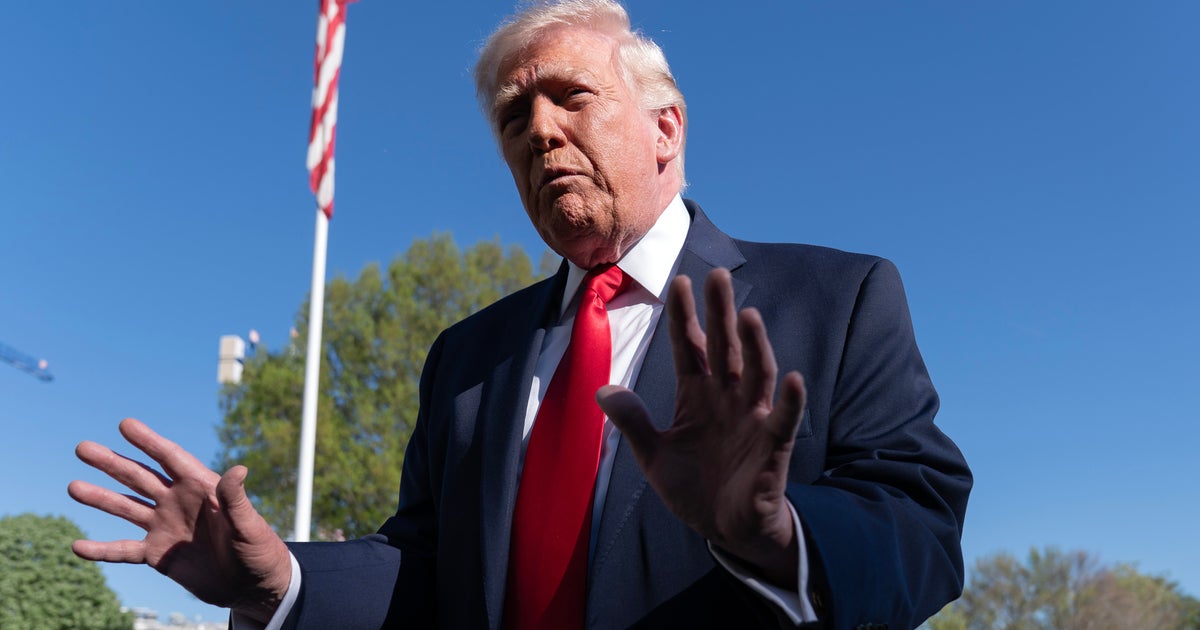
Cover image from huffpost.com, which was analyzed for this article
Pope Leo XIV clarifies his 'tyrants' comments were not aimed at Trump but decries escalations in Ukraine and Iran, calling for weapons to fall silent. The dispute has escalated, inspiring political cartoons and linking to concerns over Christians persecuted in Iran. The American pope's stance critiques US involvement in global conflicts.
PoliticalOS
Monday, April 13, 2026 — Politics
The core issue is whether moral objections to the human cost of war in Iran and Ukraine can be voiced by the spiritual leader of 1.4 billion Catholics without being cast as political interference or naivete about regimes that persecute Christians and pursue nuclear weapons. Verified events show both sides have stepped back from personal animosity, yet the underlying tension between just-war criteria and calls for immediate silence of weapons remains unsettled. Readers should weigh corroborated casualty data, the sequence of Iranian actions that preceded U.S. strikes, and the pope's consistent emphasis on civilian protection across multiple conflicts rather than any single inflammatory quote.
What outlets missed
Most outlets underplayed the verified triggers for Operation Epic Fury, including Iran's closure of the Strait of Hormuz and sponsorship of attacks on shipping and neighbors, details carried in CENTCOM statements and CFR trackers but rarely juxtaposed with papal criticism. Accurate cumulative death tolls from Iran's protest crackdowns and the 2026 war itself hover in the low thousands to mid-tens of thousands per Amnesty, Reuters and Statista; inflated claims of hundreds of thousands or 42,000 protesters killed in two months appeared in only a few pieces and could not be independently verified. Coverage also largely omitted the pope's parallel appeals on Ukraine following a mid-April Russian barrage that killed at least 17 civilians, as well as the correct timeline and locations of his African tour events confirmed by Vatican News. Finally, few noted that Leo's broader calls for civilian protection applied to multiple conflicts including Sudan, or that just-war criteria cited by Vance and Johnson require last resort, defensive cause and avoidance of greater evils, a framework the cardinals on 60 Minutes argued was not met.
Trump Slams Pope Leo for Playing Politics Instead of Preaching Peace
President Donald Trump delivered a blunt message to Pope Leo XIV this week reminding the leader of the Catholic Church that his job is to tend to souls not meddle in American foreign policy. In a lengthy Truth Social post and follow-up remarks to reporters Trump called the first American-born pope weak on crime terrible on foreign policy and far too eager to echo the radical lefts talking points at a moment when the United States is confronting a serious threat from Iran.
The exchange comes as the Trump administration prepares a naval blockade of Iranian ports to stop the flow of weapons and oil that have fueled Tehrans aggression. Iran has responded by choking off the Strait of Hormuz the critical waterway that carries one fifth of the worlds oil supply. Oil prices are climbing global markets are shaky and everyday Americans are already feeling the pinch at the gas pump and grocery store. While the president acts to protect shipping lanes restore deterrence and prevent a wider war the pope has spent the past week issuing sweeping condemnations of power money and what he calls the delusion of omnipotence.
On Saturday during an evening prayer service in Italy Leo declared Enough of the idolatry of self and money Enough of the display of power Enough of war He spoke of breaking the demonic cycle of evil and warned against drones vengeance and unjust profit without naming Trump directly. To many observers inside the administration those remarks sounded less like spiritual counsel and more like a political broadside against a president who just won a landslide election on promises to secure the border crush crime and stop letting foreign adversaries push America around.
Trump did not hold back. He wrote that he does not want a pope who criticizes the President of the United States because Im doing exactly what I was elected in a landslide to do setting record low numbers in crime and creating the greatest stock market in history. The president noted that Leo a Chicago native only reached the papacy because Church leaders thought an American might help them manage their relationship with him. If I wasnt in the White House Leo wouldnt be in the Vatican Trump wrote adding that the cardinals clearly miscalculated.
He went further praising the popes own brother Louis Prevost as all MAGA and someone he likes much better. Trump also reminded readers of the Catholic Churchs own failures during the COVID pandemic when many bishops seemed more interested in enforcing government lockdowns than defending the faithfuls right to worship. The contrast could not be clearer. While Trump delivered the strongest economy in decades and the safest streets in memory the pope appears more comfortable lecturing the elected leader of the free world than confronting the genuine evils of radical Islam terrorism and Iranian-backed militias spreading chaos across the Middle East.
The pope responded Monday aboard a flight to Algeria insisting he has no fear of the Trump administration. He told reporters his words are not attacks on anyone but simply the Gospel message Blessed are the peacemakers. Leo said he will not enter into debate and that he is not a politician. Yet his repeated interventions on immigration the Venezuela operation and now the Iran conflict suggest otherwise. For an institution that claims to stand above worldly affairs the Vatican has grown remarkably comfortable inserting itself into the precise questions of borders sovereignty and military force that voters elected Trump to decide.
Critics in the corporate media were quick to call Trumps remarks unhinged. They predictably ignored the context of a pope who has increasingly sounded like a spokesman for Davos rather than the successor of Saint Peter. They also glossed over the fact that the United Kingdom and France are now scrambling to organize a defensive naval mission in the Strait of Hormuz precisely because the Iranian shutdown and American response have disrupted global energy flows. Empty moralizing from Rome does nothing to protect merchant vessels or deter the mullahs. Strong American leadership does.
This episode reveals a deeper truth about the current moment. Globalist institutions from the Church hierarchy to European bureaucrats to legacy news outlets reflexively side against any leader who puts his own citizens first. Trump was sent back to the White House to end the era of forever wars open borders and elite condescension. If that means telling even the pope to focus on saving souls instead of second-guessing American self-defense then so be it. The American people elected a president not a pontiff. They expect him to defend their interests not apologize for them.
The feud shows no immediate signs of cooling. Leo plans to visit Africa later this month where Catholicism is growing fastest while Trump continues the hard work of restoring deterrence against Iran. One man offers sermons. The other offers strength. In a dangerous world voters have already made clear which they prefer.
You just read America First's take. Want to read what actually happened?
More in Politics

Federal Agents Search Omar Home in Ongoing Immigration Probe
Homeland Security agents searched the Minnesota Democrat's DC residence in a criminal probe, prompting accusations of political intimidation from Omar and Democratic leaders. Coverage spans left-leaning outlets like NPR, BBC, and The Guardian alongside right-leaning criticism from The Federalist and Daily Wire.

Trump Diesel Import Plan Draws Pushback Over Russia Ties
The weekend agreement drew bipartisan congressional pushback and criticism from Ukraine's Zelenskyy, with analysts downplaying US fuel price impacts. Right-leaning outlets like National Review, Dispatch, and Washington Examiner questioned its legality and effectiveness.

Independents Test Voter Appetite for Middle Ground in 2026 Midterms
Nearly 200 independents are running in competitive races as voters weigh ballot measures on housing costs in states like Massachusetts. Left-leaning coverage from NYT, NPR, and Guardian highlights turnout and key races while right outlets focus on GOP strategy.
Trump Rallies in Alaska, Ohio to Bolster GOP Senate Candidates
The president rallied in Wasilla for Sen. Dan Sullivan and faced empty seats at an Ohio event amid midterm concerns. Outlets across the spectrum covered the trips as signals of GOP vulnerability weeks before Election Day.
The Compass
You just read five takes on one story.
What's your take? Find your political shape in a few minutes.
Take the test