
Trump Pauses Russia Sanctions Amid Ukraine Tensions and Missile Strikes
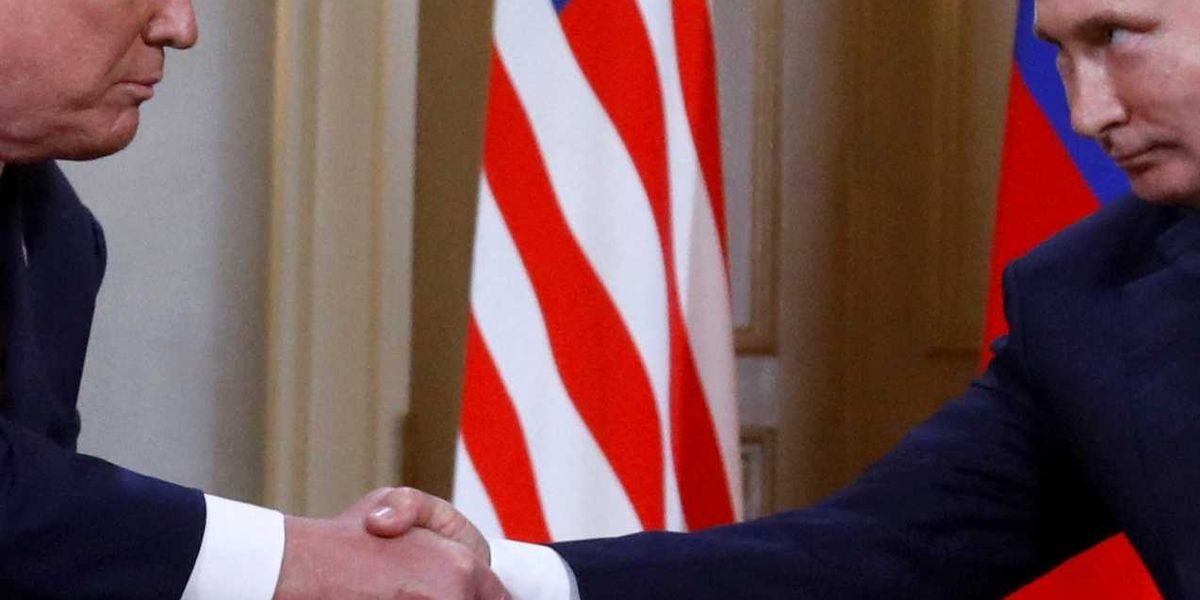
Cover image from rawstory.com, which was analyzed for this article
Trump waived sanctions on Russia and floated trilateral talks with Putin and Xi as part of ending the Ukraine war, while tensions rose with Zelenskyy over Starlink and arms. Bipartisan senators engaged Zelenskyy amid the shifts.
PoliticalOS
Tuesday, October 20, 2026 — Politics
Trump’s sanctions pause and criticism of Zelenskyy coincide with reported gaps in U.S. intelligence sharing and missile-defense support as Russia continues strikes on Ukrainian infrastructure. Congressional Republicans have voiced surprise but have not yet coalesced around specific legislative pushback. The central unresolved question remains whether the administration’s negotiating approach will produce talks or further degrade Ukraine’s defensive position.
What outlets missed
The specific mechanism of the sanctions waiver—an executive order citing national interest—was described but not linked to any administration explanation of its scope or duration beyond the public Truth Social post. Ukrainian drone strikes on Russian oil infrastructure and their reported effect on global diesel prices received little examination despite administration references to fuel supply. Congressional reaction remained limited to a handful of quoted members; no broader count of support or opposition within either party appeared. The Vatican’s separate call with Putin seeking a humanitarian ceasefire in Oleshky went unmentioned across most coverage.
Ukraine Complains of Missing Warnings as Trump Pushes for Negotiated End to War
Ukraine’s leadership has accused the United States of failing to provide advance notice of a Russian missile strike on power facilities near Kyiv, even as President Donald Trump moves to ease certain sanctions on Russia to facilitate peace talks. President Volodymyr Zelenskyy stated on social media that no warning arrived before the Sunday evening attack, though Ukrainian air force officials noted a subsequent strike hours later did receive some alert. The complaints come amid broader tensions over arms deliveries, satellite communications, and the pace of negotiations.
Trump has repeatedly signaled that prolonged conflict serves neither side’s interests and has waived a package of sanctions passed by Congress to keep Russia engaged at the table. He has also suggested that Zelenskyy should step aside from direct talks, arguing that the Ukrainian leader missed earlier opportunities for a settlement. Administration officials have described the sanctions pause as a temporary measure tied to ongoing diplomacy rather than a permanent shift in policy.
Republican lawmakers have expressed frustration with the pace of information from the executive branch on related issues, including reported disruptions to Starlink service in Ukraine. Some members have threatened budgetary reviews unless clearer answers emerge about coordination between agencies and private providers. At the same time, the administration maintains that no deliberate halt in intelligence sharing has occurred, framing the episode as part of a broader recalibration of support as talks advance.
Historical patterns in foreign assistance show that external aid often extends conflicts by altering incentives for both parties. Sustained weapons flows and sanctions relief can delay the moment when battlefield realities force compromise. Trump’s approach aligns with a narrower view of American interests, prioritizing an end to hostilities over indefinite involvement that carries its own costs in resources and strategic focus.
Zelenskyy has countered that reduced sanctions pressure and slower missile shipments weaken Ukraine’s position. Ukrainian officials point to repeated Russian barrages on energy infrastructure as evidence that Moscow sees little downside in continued operations. Yet the absence of prior warnings for certain strikes may reflect Washington’s decision to limit actions that could undermine the very negotiations it now seeks to advance.
Public records indicate that earlier rounds of sanctions and military aid produced mixed results, with Russian adaptation and parallel supply chains from third countries blunting their impact. Data on past proxy conflicts similarly suggest that external patrons eventually face pressure to align support with achievable outcomes rather than open-ended commitments. Trump’s public statements emphasize that further escalation risks drawing in additional participants without resolving underlying territorial and security disputes.
Congressional oversight remains active, with bipartisan calls for briefings on intelligence practices and commercial service reliability. Lawmakers from both parties have noted that any degradation in early-warning capabilities could affect Ukrainian defensive planning regardless of larger policy debates. Administration responses have stressed that commercial satellite networks operate under private contracts and that diplomatic channels stay open for addressing technical shortfalls.
The episode illustrates the practical limits of alliance management when one partner pursues a settlement that the other views as premature. Zelenskyy’s public statements highlight the immediate operational consequences, while Trump’s actions reflect a calculation that indefinite support has not produced decisive battlefield advantages. Both positions rest on different assessments of time, resources, and the willingness of combatants to accept compromise after years of attrition.
You just read Conservative's take. Want to read what actually happened?
More in Politics
Democrats Flip Senate, Expand House Majority in Midterms
Democrats flipped the Senate and expanded their House majority in a major rebuke to President Trump and Republicans. Key victories included multiple Senate seats and state-level wins that ended long-standing GOP dominance in places like Texas.
GOP Losses Spur Blame, Vance Distancing, 2028 Maneuvers
Republicans are pointing fingers internally after heavy losses, with Vice President JD Vance distancing himself from Trump over the Iran war and positioning for a potential 2028 run. Challengers within the party are already sensing opportunity.
Democrats Take House and Senate Amid Record Midterm Turnout
Democrats achieved decisive gains in the 2026 midterms, flipping seats to take control of both chambers. Coverage highlights historic turnout and implications for the Trump administration.
Democrats Take House and Senate, Constraining Trump
Democrats flipped both the House and Senate in a major rebuke to President Trump and Republicans. The results create divided government and set up battles over spending, oversight, and foreign policy for the remainder of Trump's term.
The Compass
You just read five takes on one story.
What's your take? Find your political shape in a few minutes.
Take the test