
Trump Pauses Russia Sanctions Amid Ukraine Tensions and Missile Strikes
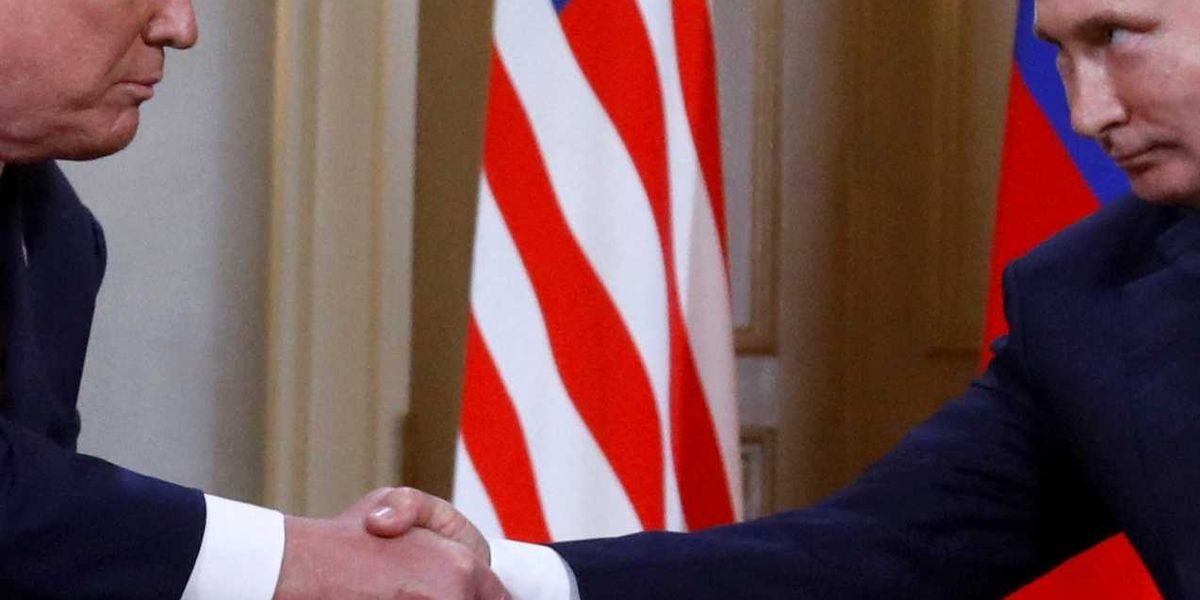
Cover image from rawstory.com, which was analyzed for this article
Trump waived sanctions on Russia and floated trilateral talks with Putin and Xi as part of ending the Ukraine war, while tensions rose with Zelenskyy over Starlink and arms. Bipartisan senators engaged Zelenskyy amid the shifts.
PoliticalOS
Tuesday, October 20, 2026 — Politics
Trump’s sanctions pause and criticism of Zelenskyy coincide with reported gaps in U.S. intelligence sharing and missile-defense support as Russia continues strikes on Ukrainian infrastructure. Congressional Republicans have voiced surprise but have not yet coalesced around specific legislative pushback. The central unresolved question remains whether the administration’s negotiating approach will produce talks or further degrade Ukraine’s defensive position.
What outlets missed
The specific mechanism of the sanctions waiver—an executive order citing national interest—was described but not linked to any administration explanation of its scope or duration beyond the public Truth Social post. Ukrainian drone strikes on Russian oil infrastructure and their reported effect on global diesel prices received little examination despite administration references to fuel supply. Congressional reaction remained limited to a handful of quoted members; no broader count of support or opposition within either party appeared. The Vatican’s separate call with Putin seeking a humanitarian ceasefire in Oleshky went unmentioned across most coverage.
Zelenskyy Complains of Missing US Warnings as Trump Seeks to End Ukraine Conflict
Ukrainian President Volodymyr Zelenskyy said Monday that his government received no advance notice from Washington ahead of a Russian missile strike on power plants near Kyiv the previous evening. The claim came as President Donald Trump continues efforts to broker an end to the fighting and has paused new sanctions on Russia to keep Moscow at the negotiating table.
Zelenskyy posted on social media that the absence of a warning fit a pattern of partners withholding support while Russia faces delays on sanctions relief. A Ukrainian air force spokesman noted that a follow-up strike hours later did receive prior notice. The initial barrage struck around 11 p.m. local time, damaging energy infrastructure in the capital region.
Trump waived the sanctions package, which Congress had passed and he had signed into law weeks earlier, stating the move served the national interest during active peace talks. He has repeatedly said Zelenskyy should step aside from negotiations, arguing the Ukrainian leader missed earlier chances for a better settlement. On Sunday, Trump posted that Zelenskyy does not appear interested in concluding the war.
The latest exchange highlights growing friction between the two capitals. Zelenskyy has also reported degraded access to Starlink satellite service and questioned whether intelligence sharing on incoming Russian missiles has slowed. Some Republican lawmakers have pressed the administration for explanations on both issues, though others noted the sanctions pause aligned with White House timing for diplomacy.
Trump has defended the sanctions decision as necessary to avoid actions that could derail talks. He has pointed to the broader goal of reducing American involvement in a conflict that has already drawn billions in U.S. aid and equipment. Russian strikes on Ukrainian energy facilities have continued in waves, underscoring the costs of prolonged fighting on both sides.
Officials in Kyiv have pushed for faster delivery of air defense missiles, but the administration has signaled a preference for negotiated limits over open-ended commitments. The White House has maintained that any pause in certain forms of support reflects a deliberate shift toward settlement rather than escalation.
The developments follow months of back-and-forth over arms shipments and battlefield tactics. Trump has criticized Ukrainian strikes on Russian energy sites as unhelpful to diplomacy. Zelenskyy has countered that any reduction in pressure on Moscow only strengthens Russian President Vladimir Putin.
Congressional Republicans remain divided, with some demanding more details on intelligence and satellite issues while others appear willing to give the president room to pursue an exit from the war. Trump has framed the entire effort as a straightforward attempt to stop the bloodshed without further U.S. entanglement.
You just read America First's take. Want to read what actually happened?
More in Politics
Democrats Flip Senate, Expand House Majority in Midterms
Democrats flipped the Senate and expanded their House majority in a major rebuke to President Trump and Republicans. Key victories included multiple Senate seats and state-level wins that ended long-standing GOP dominance in places like Texas.
GOP Losses Spur Blame, Vance Distancing, 2028 Maneuvers
Republicans are pointing fingers internally after heavy losses, with Vice President JD Vance distancing himself from Trump over the Iran war and positioning for a potential 2028 run. Challengers within the party are already sensing opportunity.
Democrats Take House and Senate Amid Record Midterm Turnout
Democrats achieved decisive gains in the 2026 midterms, flipping seats to take control of both chambers. Coverage highlights historic turnout and implications for the Trump administration.
Democrats Take House and Senate, Constraining Trump
Democrats flipped both the House and Senate in a major rebuke to President Trump and Republicans. The results create divided government and set up battles over spending, oversight, and foreign policy for the remainder of Trump's term.
The Compass
You just read five takes on one story.
What's your take? Find your political shape in a few minutes.
Take the test