
Trump Pauses Russia Sanctions Amid Ukraine Tensions and Missile Strikes
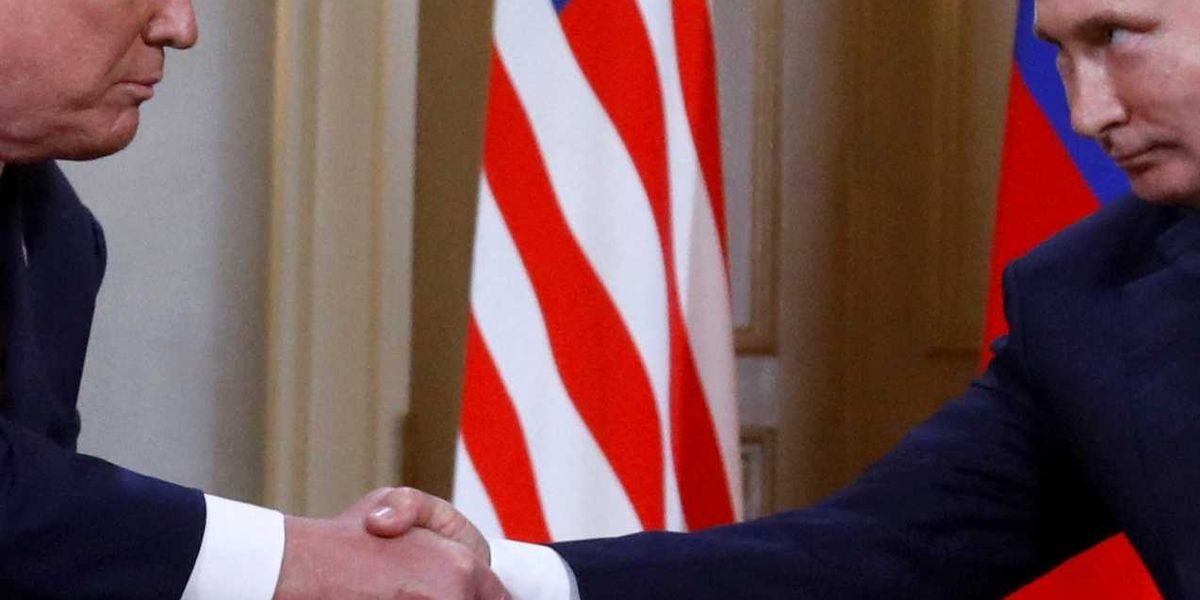
Cover image from rawstory.com, which was analyzed for this article
Trump waived sanctions on Russia and floated trilateral talks with Putin and Xi as part of ending the Ukraine war, while tensions rose with Zelenskyy over Starlink and arms. Bipartisan senators engaged Zelenskyy amid the shifts.
PoliticalOS
Tuesday, October 20, 2026 — Politics
Trump’s sanctions pause and criticism of Zelenskyy coincide with reported gaps in U.S. intelligence sharing and missile-defense support as Russia continues strikes on Ukrainian infrastructure. Congressional Republicans have voiced surprise but have not yet coalesced around specific legislative pushback. The central unresolved question remains whether the administration’s negotiating approach will produce talks or further degrade Ukraine’s defensive position.
What outlets missed
The specific mechanism of the sanctions waiver—an executive order citing national interest—was described but not linked to any administration explanation of its scope or duration beyond the public Truth Social post. Ukrainian drone strikes on Russian oil infrastructure and their reported effect on global diesel prices received little examination despite administration references to fuel supply. Congressional reaction remained limited to a handful of quoted members; no broader count of support or opposition within either party appeared. The Vatican’s separate call with Putin seeking a humanitarian ceasefire in Oleshky went unmentioned across most coverage.
Zelenskyy Says US Failed to Warn of Russian Missile Strikes on Kyiv
Ukraine did not receive advance notice from the United States before Russian missiles struck power plants in Kyiv on Sunday evening, President Volodymyr Zelenskyy said Monday, adding to a series of complaints about disrupted intelligence sharing and delayed weapons deliveries. Ukrainian air force spokesperson Yuri Ihnat confirmed that no warning arrived before the first wave of attacks around 11 p.m., though a later strike at 3 a.m. was preceded by an alert. Zelenskyy described the pattern as part of a broader shift in Washington’s approach, noting that Russia continues to receive sanctions relief while Ukraine faces restrictions on air defense missiles.
The episode comes days after President Donald Trump waived a sanctions package targeting Russia that Congress had passed with bipartisan support. Trump told lawmakers the pause served national interests because he is actively negotiating an end to the war. Administration officials have framed the move as an effort to keep Moscow engaged at the table rather than drive it toward harder positions. Zelenskyy countered that the decision effectively strengthens Russia’s war effort at a moment when Ukrainian forces are already stretched by repeated strikes on energy infrastructure.
Disruptions extend beyond sanctions policy. Ukrainian officials have reported degraded access to SpaceX’s Starlink satellite network and slower shipments of PAC-3 missiles needed for air defense. Secretary of State Marco Rubio stated that the U.S. government had no role in any Starlink issues, but Zelenskyy relayed to members of Congress that service remains unreliable. Republican lawmakers, including Representative Brian Fitzpatrick, have demanded clearer explanations and threatened budgetary consequences if the administration does not address the gaps in information sharing.
Trump has also pressed for changes on the Ukrainian side of negotiations. He suggested that Zelenskyy should step aside as the lead negotiator, arguing that a different figure might reach an agreement more quickly. The comments reflect Trump’s consistent view that personal leverage and direct pressure on both capitals can produce faster results than sustained institutional commitments. Ukrainian officials have interpreted the combination of sanctions relief for Russia and public criticism of Zelenskyy as an attempt to extract concessions through reduced support rather than through balanced diplomacy.
Inside Congress, the friction has produced unusual bipartisan pushback. Senators from both parties joined a call with Zelenskyy and later issued statements highlighting the intelligence gaps. Even members of the Republican leadership expressed surprise at the sanctions waiver, noting that the timing had been coordinated with the White House only weeks earlier. The episode illustrates how Trump’s transactional approach collides with the expectations built into longstanding security partnerships, where predictable intelligence flows and coordinated sanctions have served as core instruments of leverage.
The underlying tension centers on differing theories of how to end the conflict. Trump’s strategy treats sanctions and intelligence as tools that can be adjusted to reward movement toward talks. Ukrainian and many congressional leaders see those same tools as essential to maintaining Ukraine’s defensive position while negotiations occur. As Russian missile campaigns continue against Ukrainian energy systems, the absence of prior warnings has sharpened the debate over whether Washington’s leverage is being applied evenly or whether one side is absorbing disproportionate pressure to reach an agreement.
You just read Liberal's take. Want to read what actually happened?
More in Politics
Democrats Flip Senate, Expand House Majority in Midterms
Democrats flipped the Senate and expanded their House majority in a major rebuke to President Trump and Republicans. Key victories included multiple Senate seats and state-level wins that ended long-standing GOP dominance in places like Texas.
GOP Losses Spur Blame, Vance Distancing, 2028 Maneuvers
Republicans are pointing fingers internally after heavy losses, with Vice President JD Vance distancing himself from Trump over the Iran war and positioning for a potential 2028 run. Challengers within the party are already sensing opportunity.
Democrats Take House and Senate Amid Record Midterm Turnout
Democrats achieved decisive gains in the 2026 midterms, flipping seats to take control of both chambers. Coverage highlights historic turnout and implications for the Trump administration.
Democrats Take House and Senate, Constraining Trump
Democrats flipped both the House and Senate in a major rebuke to President Trump and Republicans. The results create divided government and set up battles over spending, oversight, and foreign policy for the remainder of Trump's term.
The Compass
You just read five takes on one story.
What's your take? Find your political shape in a few minutes.
Take the test