
Trump to Address UN on Iran, Gaza, Ukraine Amid Diplomatic Push
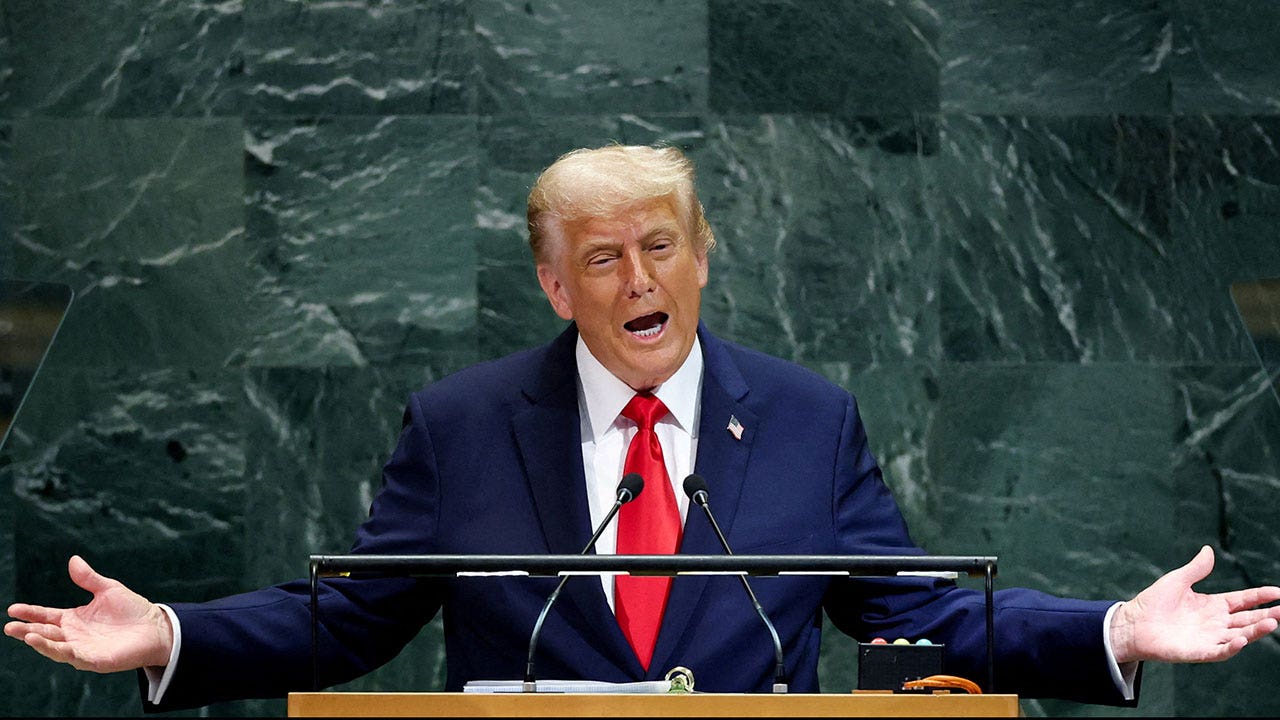
Cover image from foxnews.com, which was analyzed for this article
President Trump spoke at the UNGA focusing on Iran nuclear issues, Gaza plans, Ukraine and potential UN reforms while holding bilateral meetings with Gulf allies and others.
PoliticalOS
Tuesday, September 22, 2026 — Politics
Trump's UN appearance centers on stated priorities of blocking an Iranian nuclear weapon, advancing a Gaza plan and pursuing UN reforms, set against multiple ongoing conflicts and a separate media access dispute. The week's diplomacy will largely occur in bilateral meetings rather than the General Assembly hall itself. Readers should track whether announced initiatives produce measurable movement on any of the listed fronts.
What outlets missed
Most coverage omitted any discussion of artificial intelligence safeguards, a topic a UN panel had recently raised and that several leaders planned to address. Few outlets examined the specific mechanics of the proposed Greenland security agreement or its relation to prior U.S. demands for territorial control. Reactions from named foreign officials beyond scheduled meetings received little attention, leaving the diplomatic reception largely unexamined. Details on the scale of U.S. sanctions enforcement against Iran or its measurable economic effects were absent from most previews.
Trump Heads to UN Seeking Diplomatic Wins After Iran War Drags On
President Trump arrives in New York this week for the United Nations General Assembly determined to project strength on the world stage despite mounting domestic pressure from an unpopular war with Iran now entering its seventh month. The president plans to use his address to world leaders to underscore peace deals reached in other regions while stressing the need to keep Iran from acquiring nuclear weapons.
White House officials say the speech will focus on how the administration has tackled problems previous presidents ignored. Trump is also scheduled to meet with a string of foreign leaders including British Prime Minister Andy Burnham, Ukrainian President Volodymyr Zelenskyy, and representatives from Gulf nations still feeling the effects of disrupted oil routes through the Strait of Hormuz. A session with leaders from the Gulf Cooperation Council is expected to center on security concerns and efforts to isolate Tehran economically.
The timing comes as public approval for the president sits below 40 percent, weighed down by concerns over higher energy costs tied to the conflict. Trump has also drawn fire for barring several major news outlets from White House grounds, prompting lawsuits from the affected organizations. The moves have fueled accusations of heavy-handed tactics, though supporters argue they respond to years of hostile coverage that ignored administration priorities.
Trump will also sign a security agreement with Denmark and Greenland aimed at bolstering American presence in the Arctic territory. That step follows earlier tensions over Greenland's status and reflects the president's long-standing view that the United States should secure strategic footholds rather than rely on distant alliances. Meetings with Venezuela's interim leader and other Latin American figures round out a schedule packed with bilateral talks.
Critics at the UN and in allied capitals have pointed to recent reports alleging American forces committed violations during strikes in Iran. The administration has dismissed such claims as predictable pushback from an organization long tilted against American interests. Trump has a history of questioning the UN's effectiveness and cost to American taxpayers, and this year's appearance is unlikely to change that stance.
On the sidelines, discussions about Gaza and Ukraine will test whether fresh momentum can be generated for ceasefires. Trump has touted a 20-point plan for Gaza and expressed frustration with the slow pace of ending the fighting in Ukraine. Gulf leaders are watching closely, aware that any broader regional settlement would need to address Iran's role in backing proxy forces.
The president's team hopes the high-profile week can shift attention toward tangible diplomatic results ahead of midterm elections. With Chinese President Xi Jinping due in Washington shortly after the UN events, the schedule underscores an effort to manage multiple fronts at once. Whether the appearances deliver the desired momentum remains to be seen, but the focus on confronting adversaries directly aligns with the administration's core approach to foreign policy.
You just read America First's take. Want to read what actually happened?
More in Politics
Democrats Flip Senate, Expand House Majority in Midterms
Democrats flipped the Senate and expanded their House majority in a major rebuke to President Trump and Republicans. Key victories included multiple Senate seats and state-level wins that ended long-standing GOP dominance in places like Texas.
GOP Losses Spur Blame, Vance Distancing, 2028 Maneuvers
Republicans are pointing fingers internally after heavy losses, with Vice President JD Vance distancing himself from Trump over the Iran war and positioning for a potential 2028 run. Challengers within the party are already sensing opportunity.
Democrats Take House and Senate Amid Record Midterm Turnout
Democrats achieved decisive gains in the 2026 midterms, flipping seats to take control of both chambers. Coverage highlights historic turnout and implications for the Trump administration.
Democrats Take House and Senate, Constraining Trump
Democrats flipped both the House and Senate in a major rebuke to President Trump and Republicans. The results create divided government and set up battles over spending, oversight, and foreign policy for the remainder of Trump's term.
The Compass
You just read five takes on one story.
What's your take? Find your political shape in a few minutes.
Take the test