
Trump, Vance Push GOP Midterms With Seven Weeks Left

Cover image from npr.org, which was analyzed for this article
With seven weeks to Election Day, Trump and Vance are campaigning in key states. GOP faces challenges including voting rule disputes and internal tensions.
PoliticalOS
Monday, September 14, 2026 — Politics
Republicans are mounting an aggressive midterm campaign centered on Trump’s influence while Democrats organize large-scale poll monitoring and internal GOP debates continue over new spending proposals. The outcome will hinge on turnout, legal disputes, and whether either party can substantiate its warnings about the other’s conduct at the polls.
What outlets missed
Most coverage omitted the scale of the federal deficit and tariff revenue figures when discussing proposed payments to voters. Few outlets examined whether the Democratic training program targets the same number of polling places as Republican efforts in prior cycles. Internal Republican debate over expanding eligibility for child-care funds received little attention outside opinion columns. No outlet provided data on actual polling-place incidents from the previous midterm that could ground claims of widespread intimidation.
Seven weeks before the November midterms, President Trump and Vice President Vance are traveling to competitive states to rally Republican voters and candidates. Control of Congress hangs in the balance, and the outcome will determine whether the administration can advance its agenda or face new legislative checks.
Trump addressed a Republican gathering in Dallas, telling supporters that the midterms amount to a shared campaign. “Because in actuality, I really am running,” he said. “We have to have Congress. We have to have the majorities.” The event was organized to shore up turnout and fundraising in key districts.
At the same time, the Association of State Democratic Committees announced the New Battlefield Project. The effort will train volunteers for roughly 25 percent of the nation’s 95,000 polling places, focusing on competitive areas. Volunteers will wear blue vests, assist voters, document problems, and promote early voting. Democratic officials cited concerns that federal agents or Trump allies might appear at polls.
Inside the Republican coalition, policy disagreements have surfaced. Vance has backed redirecting child-care subsidies to low-income married parents and endorsed a proposed $5,000 per-adult payment if Republicans retain congressional majorities. Critics within the party argue these steps expand government spending and contradict past Republican emphasis on reducing dependency. The administration collected about $300 billion in tariff revenue last year, according to public figures, while the federal deficit already exceeds $2 trillion.
Voting procedures remain contested in several states. Democrats have not detailed specific past incidents of intimidation at the scale they anticipate, and Republicans have not released plans for federal agents at polling sites beyond existing law-enforcement authorities. Both parties continue to recruit poll watchers and prepare legal teams for potential disputes after Election Day.
More in Politics

Judges Block Trump Mail Ballot Rule as Supreme Court Review Looms
Federal judges halted President Trump's executive order restricting mail balloting via USPS. The Supreme Court is expected to review amid ongoing election legal battles.

States Clash Over Voter Rolls, Mail Rules Ahead of Midterms
Officials train to counter interference while states debate mail voting and oversight. Both parties accuse each other of undermining trust ahead of November.

Hegseth Reforms Prompt Pentagon Doubts Over Trust and Readiness
Defense Secretary's efforts to refocus the military sparked internal pushback and accusations of creating mistrust. Coverage spans major outlets.
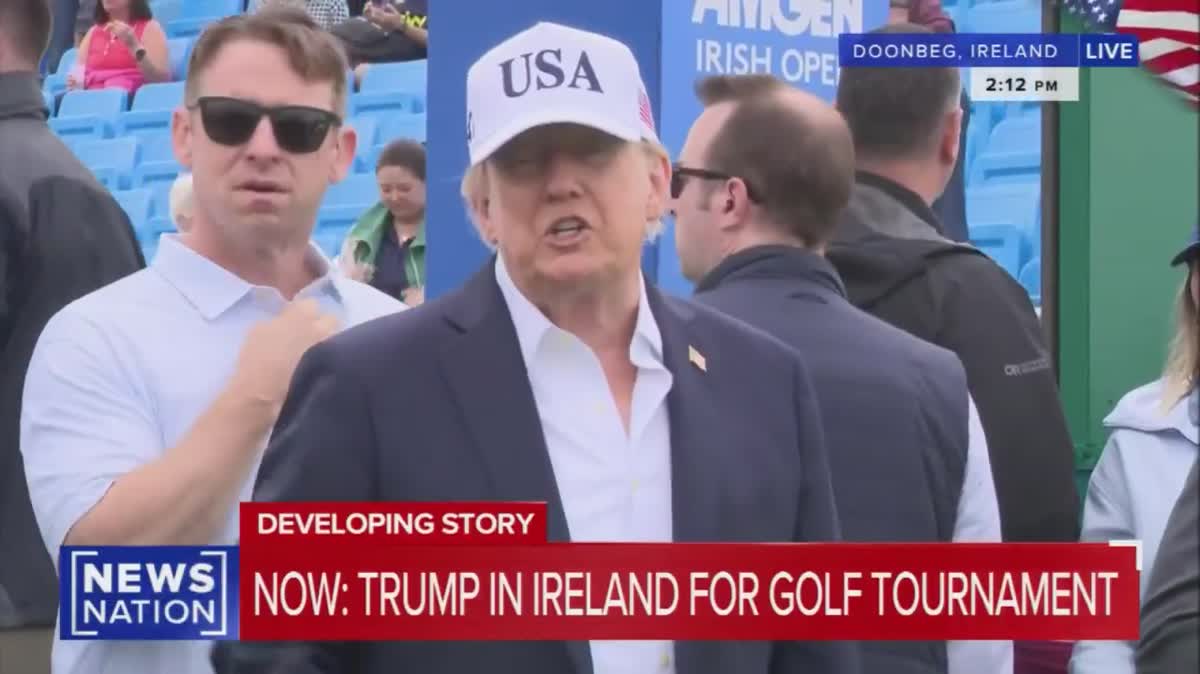
Trump to Lift 10% Tariff on Irish Whiskey After Repeated Requests
Trump removed a 10% tariff on Irish whiskey citing requests from Irish leaders. Remarks on reunification also drew attention during the visit.
The Compass
You just read five takes on one story.
What's your take? Find your political shape in a few minutes.
Take the test