
Trump Pauses Immigrant Visa Interviews for Global Training
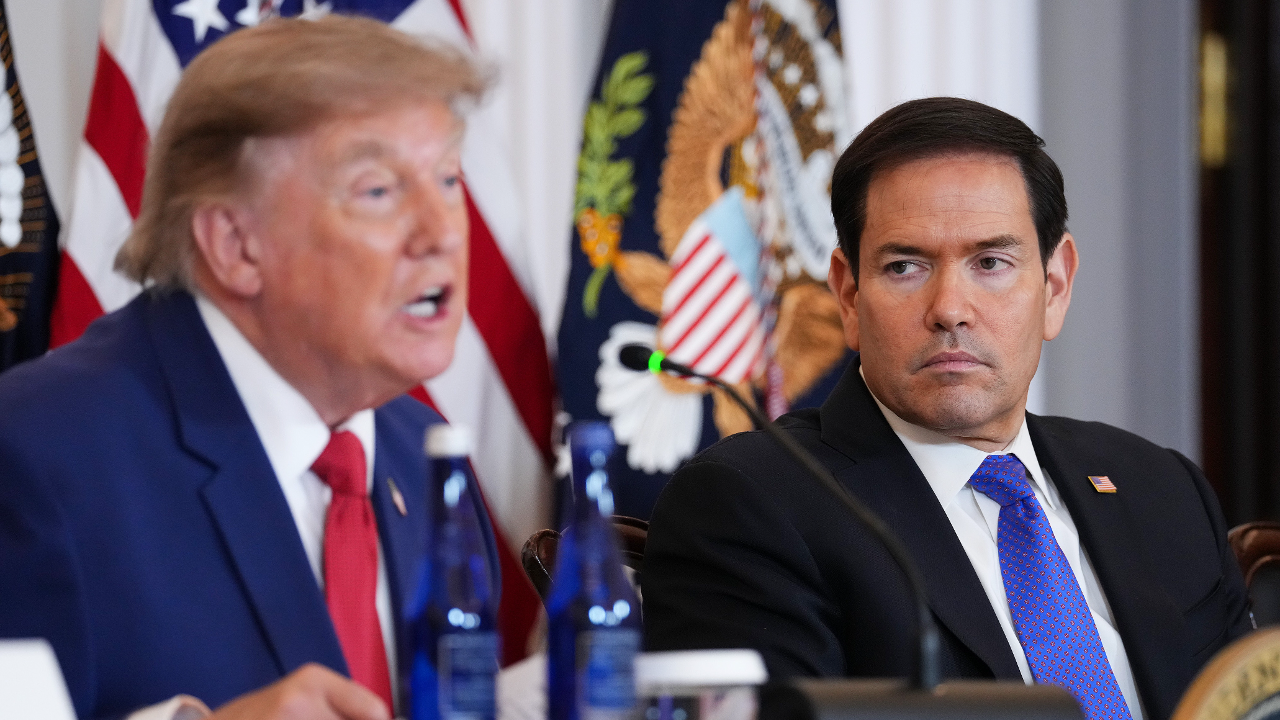
Cover image from foxnews.com, which was analyzed for this article
The administration halted immigrant visa interviews globally amid heightened screening and plans to revoke up to 200,000 visas. Critics view the moves as largely symbolic but precedent-setting for enforcement. Coverage includes left sources like Independent and right outlets like Fox.
PoliticalOS
Wednesday, August 26, 2026 — Politics
The pause is a temporary administrative adjustment tied to public-charge training that affects only immigrant visas. Legal challenges to related policies continue, and applicants should expect rescheduling notices without a firm timeline.
What outlets missed
Neither outlet specified that nonimmigrant visa services continue without interruption, a distinction that limits the pause’s reach to permanent immigration pathways. Official notices also tie the training to nationalities identified as higher risk for public-benefit use, a detail downplayed in favor of global framing. The 200,000-visa revocation figure appears only in one account and could not be independently verified by the other.
Trump Administration Pauses Worldwide Visa Interviews for Staff Training
The State Department has directed U.S. embassies and consulates to postpone immigrant visa interviews while consular officers undergo training on updated public charge guidance. The pause applies to cases that have already reached the interview stage and is expected to last through this week at most posts.
A department official described the training as a global initiative launched in early August to equip staff with consistent methods for determining whether applicants are likely to rely on public assistance after arrival. Under longstanding federal law, immigrants who appear likely to become a public charge are inadmissible. The new sessions aim to apply that standard more uniformly across missions.
Applicants have received notices canceling previously scheduled interviews, with rescheduling promised once training concludes. The department has not provided a precise timeline for those rescheduled appointments. Officials said the adjustments accommodate in-depth instruction without specifying how many cases are affected.
The move aligns with the administration's broader effort to tighten immigration enforcement and reduce the fiscal burden on American taxpayers. Past periods of rapid immigration expansion have coincided with measurable increases in welfare participation among certain newcomer groups, a pattern documented in government data and academic studies. Training focused on self-sufficiency criteria reflects an attempt to apply existing statutes more rigorously rather than expand new restrictions.
Separate administration actions have included visa cancellations and heightened scrutiny of applicants tied to specific political activities. A federal judge recently blocked one proposed suspension covering nationals from 75 countries, finding that the secretary of state had overstepped statutory authority. That ruling addressed a distinct policy and did not directly alter the training-related pause now in effect.
The public charge provision dates to the late nineteenth century and has been reaffirmed in subsequent immigration statutes. Its core purpose is to ensure that those admitted can support themselves without drawing on taxpayer-funded programs. Critics of stricter enforcement argue that such reviews create administrative delays, while supporters point to repeated instances in which inadequate screening contributed to long-term dependency.
The current training is described by the department as necessary to produce comprehensive and consistent decisions. For applicants whose interviews have been deferred, the immediate effect is added uncertainty in planning relocation or family reunification. Over time, clearer application of the public charge rule may reduce the share of new immigrants who draw on means-tested benefits, a goal consistent with historical expectations that immigration serve the national interest rather than impose net costs.
You just read Conservative's take. Want to read what actually happened?
More in Politics
Democrats Flip Senate, Expand House Majority in Midterms
Democrats flipped the Senate and expanded their House majority in a major rebuke to President Trump and Republicans. Key victories included multiple Senate seats and state-level wins that ended long-standing GOP dominance in places like Texas.
GOP Losses Spur Blame, Vance Distancing, 2028 Maneuvers
Republicans are pointing fingers internally after heavy losses, with Vice President JD Vance distancing himself from Trump over the Iran war and positioning for a potential 2028 run. Challengers within the party are already sensing opportunity.
Democrats Take House and Senate Amid Record Midterm Turnout
Democrats achieved decisive gains in the 2026 midterms, flipping seats to take control of both chambers. Coverage highlights historic turnout and implications for the Trump administration.
Democrats Take House and Senate, Constraining Trump
Democrats flipped both the House and Senate in a major rebuke to President Trump and Republicans. The results create divided government and set up battles over spending, oversight, and foreign policy for the remainder of Trump's term.
The Compass
You just read five takes on one story.
What's your take? Find your political shape in a few minutes.
Take the test