
Trump Pauses Immigrant Visa Interviews for Global Training
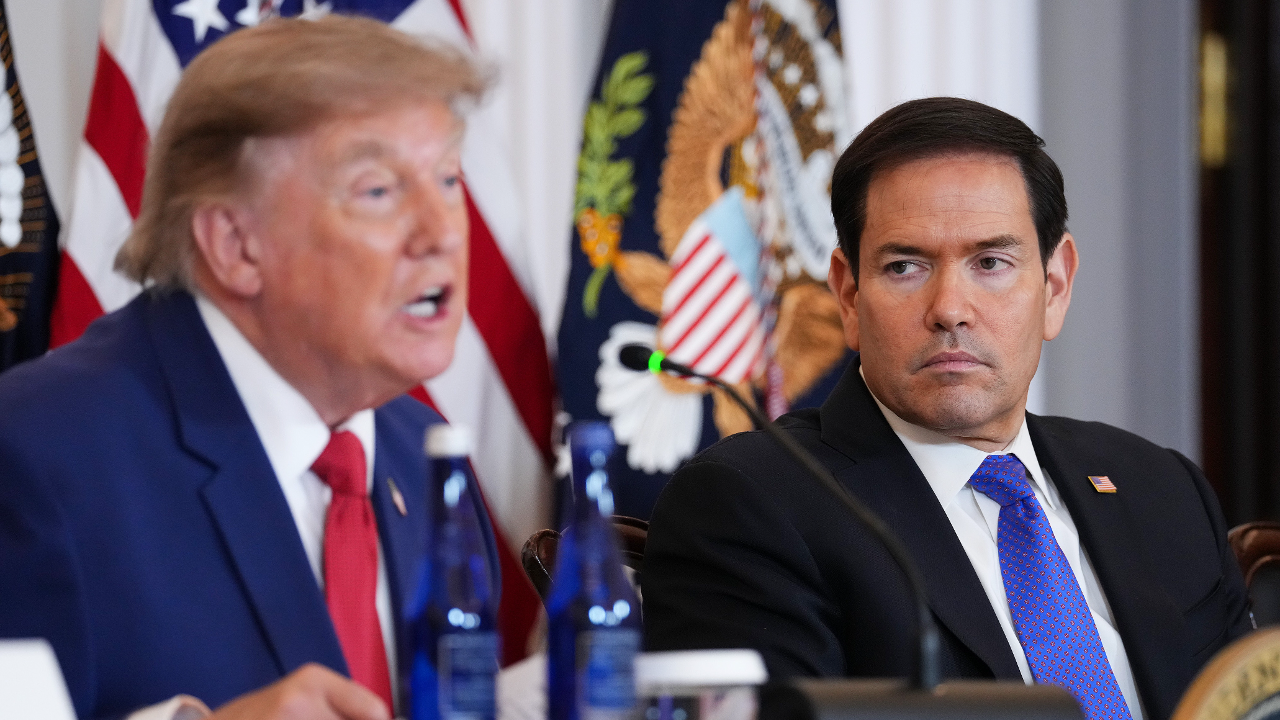
Cover image from foxnews.com, which was analyzed for this article
The administration halted immigrant visa interviews globally amid heightened screening and plans to revoke up to 200,000 visas. Critics view the moves as largely symbolic but precedent-setting for enforcement. Coverage includes left sources like Independent and right outlets like Fox.
PoliticalOS
Wednesday, August 26, 2026 — Politics
The pause is a temporary administrative adjustment tied to public-charge training that affects only immigrant visas. Legal challenges to related policies continue, and applicants should expect rescheduling notices without a firm timeline.
What outlets missed
Neither outlet specified that nonimmigrant visa services continue without interruption, a distinction that limits the pause’s reach to permanent immigration pathways. Official notices also tie the training to nationalities identified as higher risk for public-benefit use, a detail downplayed in favor of global framing. The 200,000-visa revocation figure appears only in one account and could not be independently verified by the other.
Trump Administration Temporarily Halts Visa Interviews Worldwide to Strengthen Public Charge Screening
The Trump administration has directed U.S. embassies and consulates around the globe to pause immigrant visa interviews while consular officers undergo new training on evaluating whether applicants are likely to become dependent on American taxpayers. State Department officials confirmed the move stems from a global training initiative launched in early August aimed at ensuring consistent and thorough reviews under updated public charge guidance.
This step comes as part of the administration's ongoing effort to tighten immigration controls during President Trump's second term. Officials say the training will equip staff to identify applicants who might rely on public assistance after arrival in the United States, a determination that can render someone inadmissible under existing federal law. For most posts, the sessions are scheduled to wrap up this week, after which interviews will resume on a rescheduled basis.
Applicants already booked for interviews have started receiving notices that their appointments are canceled and will be reset later. The pause affects those who have reached the interview stage of the immigrant visa process, creating short-term uncertainty for thousands worldwide. State Department statements emphasize that the adjustments allow for in-depth preparation without compromising the overall mission of thorough vetting.
The policy reflects a clear priority on protecting American resources and security at a time when previous administrations have been criticized for lax oversight. Public charge rules have long existed to prevent the admission of individuals expected to drain welfare systems, yet enforcement has varied widely. The current training push seeks to restore consistency and prevent the kind of dependency that burdens U.S. communities, schools, and hospitals.
Broader immigration enforcement actions under the administration have included reviews of existing visas and residency statuses, alongside efforts to deny applications tied to security concerns. A recent federal court ruling blocked one proposed suspension affecting applicants from certain countries, but the current training-related pause operates separately and stems directly from operational needs at diplomatic posts.
Critics have portrayed the measures as overly restrictive, yet supporters point to data showing significant fiscal costs from low-skilled immigration and instances where public benefits flow to non-citizens or their households. The administration maintains that comprehensive screening protects both national security and the economic interests of American workers who compete in the same labor markets.
Affected applicants are being told their cases remain active, with new dates to follow completion of the training. The State Department has not provided an exact timeline for full resumption but indicated the program is temporary and focused on building capacity for better decision-making. This approach aligns with repeated pledges to prioritize enforcement that safeguards U.S. taxpayers first.
As interviews resume, the emphasis on public charge assessments is expected to continue shaping outcomes for those seeking permanent entry. The training underscores a shift toward stricter standards after years of policies that expanded access without adequate safeguards against welfare use.
You just read America First's take. Want to read what actually happened?
More in Politics
Democrats Flip Senate, Expand House Majority in Midterms
Democrats flipped the Senate and expanded their House majority in a major rebuke to President Trump and Republicans. Key victories included multiple Senate seats and state-level wins that ended long-standing GOP dominance in places like Texas.
GOP Losses Spur Blame, Vance Distancing, 2028 Maneuvers
Republicans are pointing fingers internally after heavy losses, with Vice President JD Vance distancing himself from Trump over the Iran war and positioning for a potential 2028 run. Challengers within the party are already sensing opportunity.
Democrats Take House and Senate Amid Record Midterm Turnout
Democrats achieved decisive gains in the 2026 midterms, flipping seats to take control of both chambers. Coverage highlights historic turnout and implications for the Trump administration.
Democrats Take House and Senate, Constraining Trump
Democrats flipped both the House and Senate in a major rebuke to President Trump and Republicans. The results create divided government and set up battles over spending, oversight, and foreign policy for the remainder of Trump's term.
The Compass
You just read five takes on one story.
What's your take? Find your political shape in a few minutes.
Take the test