
Trump Pauses Immigrant Visa Interviews for Global Training
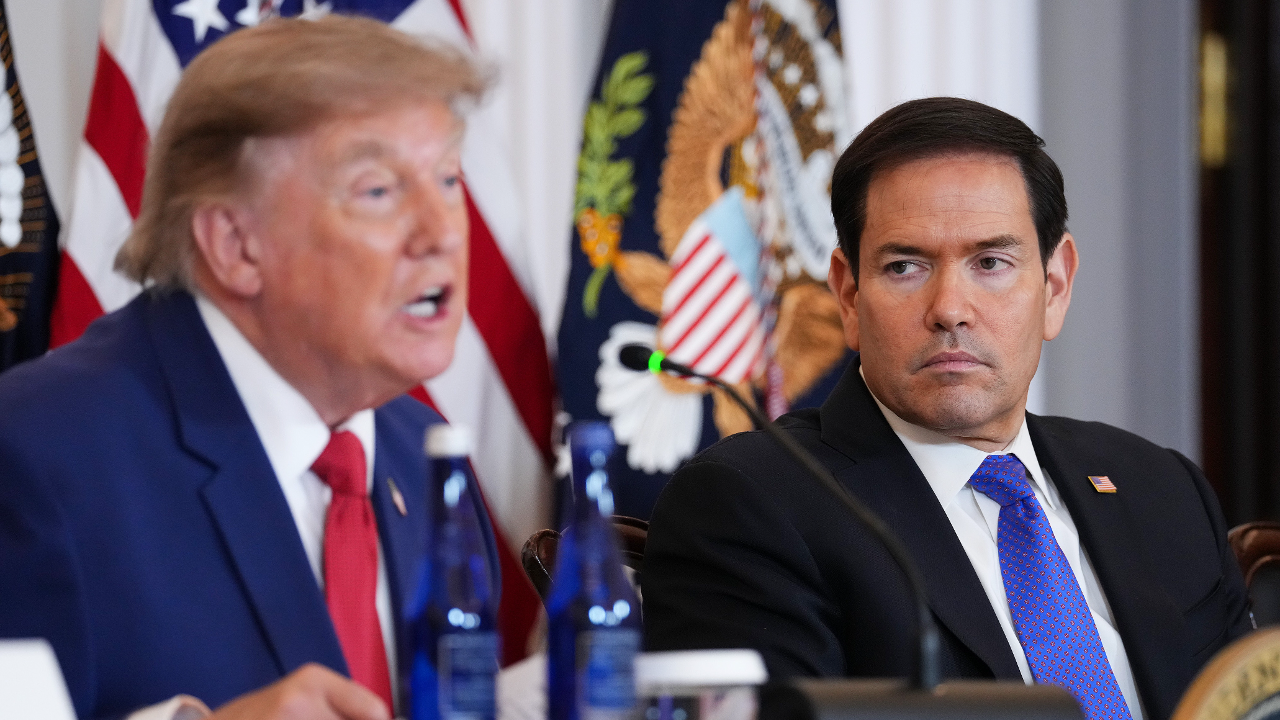
Cover image from foxnews.com, which was analyzed for this article
The administration halted immigrant visa interviews globally amid heightened screening and plans to revoke up to 200,000 visas. Critics view the moves as largely symbolic but precedent-setting for enforcement. Coverage includes left sources like Independent and right outlets like Fox.
PoliticalOS
Wednesday, August 26, 2026 — Politics
The pause is a temporary administrative adjustment tied to public-charge training that affects only immigrant visas. Legal challenges to related policies continue, and applicants should expect rescheduling notices without a firm timeline.
What outlets missed
Neither outlet specified that nonimmigrant visa services continue without interruption, a distinction that limits the pause’s reach to permanent immigration pathways. Official notices also tie the training to nationalities identified as higher risk for public-benefit use, a detail downplayed in favor of global framing. The 200,000-visa revocation figure appears only in one account and could not be independently verified by the other.
Trump Administration Suspends Immigrant Visa Interviews Worldwide for Staff Training
The Trump administration has directed U.S. embassies and consulates to pause immigrant visa interviews across the globe while consular officers undergo new training on evaluating whether applicants are likely to become public charges. The move, announced this week by the State Department, affects interviews already scheduled and comes as part of an aggressive expansion of immigration enforcement in the president's second term.
A department official described the pause as necessary to accommodate a global training initiative launched in early August. The sessions aim to teach staff how to apply updated guidance on public charge determinations, which can render an immigrant inadmissible if officials conclude the person is likely to depend on certain forms of government assistance. Officials said the goal is to ensure assessments are conducted comprehensively and consistently at posts worldwide. Most training is expected to conclude this week, though the department has not provided a timeline for rescheduling canceled appointments.
Applicants have begun receiving notices that their interviews are postponed, creating immediate uncertainty for those who had advanced far in the process. The changes build on other recent actions, including the cancellation of visas and green cards and the rejection of applications tied to political activity, such as participation in protests against Israel's operations in Gaza. These steps reflect the administration's stated priority of tightening borders and protecting public resources.
The policy shift arrives against a backdrop of legal resistance. Last week a federal judge blocked an earlier Trump administration attempt to halt immigrant visas for nationals of 75 countries, ruling that Secretary of State Marco Rubio had overstepped statutory authority. That decision highlighted limits on executive power to impose broad visa restrictions without clear legislative backing. The current training pause operates separately but occurs within the same pattern of rapid policy implementation.
Public charge rules have long been part of immigration law, yet their application has varied across administrations. The new guidance appears designed to make the standard more restrictive, aligning with campaign promises to reduce fiscal burdens on American taxpayers. Supporters argue that clearer, uniform training will prevent inconsistent decisions that previously allowed some applicants to enter despite weak financial prospects. Critics, including immigrant advocacy groups, contend that heightened scrutiny risks turning away people who would contribute economically and that abrupt scheduling changes disrupt lives without adequate notice.
The training initiative also coincides with broader efforts to screen for national security risks and ideological alignment. State Department statements have emphasized the need for thorough vetting, but details on how political expression factors into public charge or admissibility decisions remain limited. Federal courts have previously scrutinized similar attempts to link visa eligibility to viewpoints, often requiring the government to demonstrate a concrete connection to statutory criteria.
For consular staff, the sudden training requirement means reallocating resources from routine processing to new protocols. Posts in high-volume regions may face longer backlogs once interviews resume, potentially affecting family reunification cases and employment-based petitions that already move slowly. The department has not released estimates of how many applicants are affected or how long the average delay might last.
Immigration policy under the second Trump term has prioritized speed and scope over incremental adjustment. The visa interview pause illustrates how administrative directives can quickly alter the day-to-day operations of the foreign service. Whether the training produces more uniform outcomes or simply extends processing times will depend on how the new guidance is interpreted in the field. In the meantime, applicants and their families are left waiting for new dates amid a system already strained by competing priorities of enforcement and legal compliance.
You just read Liberal's take. Want to read what actually happened?
More in Politics
Democrats Flip Senate, Expand House Majority in Midterms
Democrats flipped the Senate and expanded their House majority in a major rebuke to President Trump and Republicans. Key victories included multiple Senate seats and state-level wins that ended long-standing GOP dominance in places like Texas.
GOP Losses Spur Blame, Vance Distancing, 2028 Maneuvers
Republicans are pointing fingers internally after heavy losses, with Vice President JD Vance distancing himself from Trump over the Iran war and positioning for a potential 2028 run. Challengers within the party are already sensing opportunity.
Democrats Take House and Senate Amid Record Midterm Turnout
Democrats achieved decisive gains in the 2026 midterms, flipping seats to take control of both chambers. Coverage highlights historic turnout and implications for the Trump administration.
Democrats Take House and Senate, Constraining Trump
Democrats flipped both the House and Senate in a major rebuke to President Trump and Republicans. The results create divided government and set up battles over spending, oversight, and foreign policy for the remainder of Trump's term.
The Compass
You just read five takes on one story.
What's your take? Find your political shape in a few minutes.
Take the test