
Trump, Xi set for state visit amid AI race and trade strains
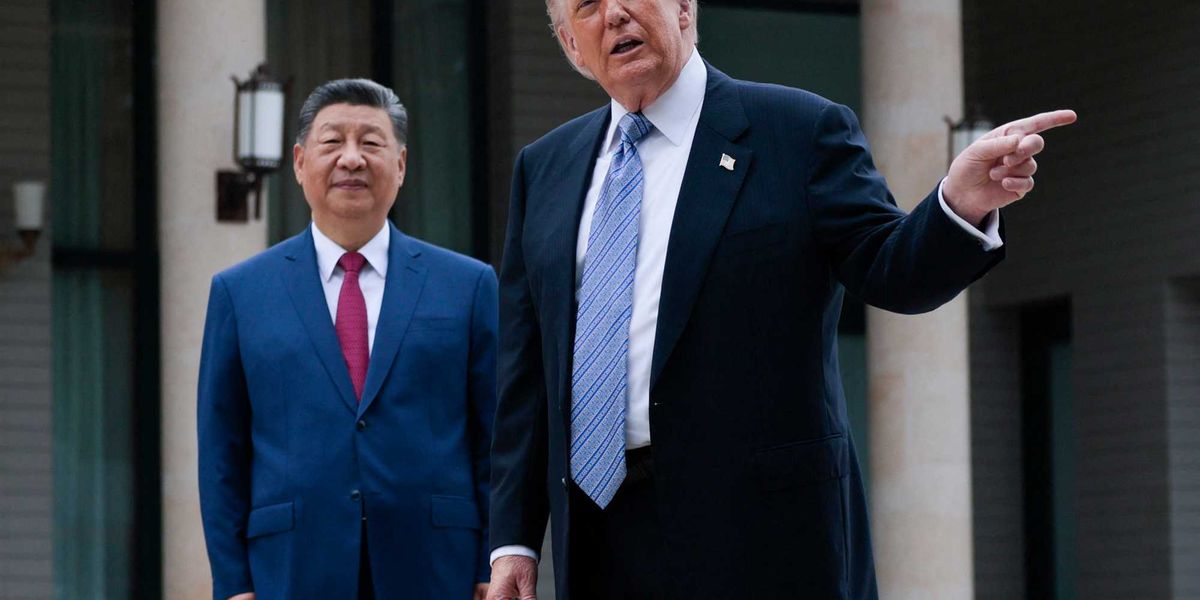
Cover image from theblaze.com, which was analyzed for this article
Chinese President Xi Jinping arrives in Washington for talks on Taiwan, AI, trade, and Iran. Trump planned a tarmac greeting as both sides navigate AI supremacy and economic issues.
PoliticalOS
Wednesday, September 23, 2026 — Politics
The summit occurs against a backdrop of mutual suspicion over AI capabilities and unresolved economic disputes, with limited expectations for major breakthroughs. Concrete agenda items include tariff adjustments, fentanyl controls, and an AI incident hotline, yet neither side has signaled willingness to slow technological competition. Readers should track whether any emergency communication mechanism emerges from the talks.
What outlets missed
Most coverage omitted the specific case of detained American Gulshan Abbas and Trump’s stated intent to press for her release. Few outlets noted the planned B-2 bomber and F-22 flyover at the conclusion of the arrival ceremony or the separate engagement between first lady Melania Trump and Peng Liyuan at the Smithsonian. The May trade truce details, including China’s commitment to purchase 200 Boeing aircraft, received little attention outside Fox News. The presence of Nvidia CEO Jensen Huang at the state dinner was confirmed in multiple reports but rarely connected to ongoing chip export controls under discussion.
AfD Support Spreads Beyond Former East Germany as Voters React to National Policy Shortfalls
Recent state election results show the Alternative for Deutschland drawing substantial backing in multiple regions, including areas of the former West. In Saxony-Anhalt the party secured 44 percent, while Mecklenburg-Vorpommern delivered 38 percent. Analysts who frame these outcomes solely as lingering East-West divides overlook polling data that places the AfD ahead nationally and competitive in western states as well.
Voter priorities tracked in successive surveys point to concrete concerns over immigration volumes, energy costs, and public safety rather than abstract historical grievances. Areas with higher recent inflows of asylum seekers recorded sharper shifts toward the AfD, consistent with patterns observed in other European countries facing similar inflows. Government statistics document elevated welfare expenditures and integration challenges that predate the current cycle, undermining claims that eastern economic lag alone explains the trend.
Thomas Sowell has long emphasized that group outcomes reflect incentives created by policy choices more than distant legacies. In this case, successive federal governments maintained open-border measures and generous benefit structures that altered neighborhood composition and strained municipal budgets across both halves of the country. Crime data released by federal authorities show disproportionate involvement of certain migrant cohorts in violent offenses, a pattern that local police reports in western cities have echoed for years.
The AfD’s platform stresses reduced immigration, restored border enforcement, and skepticism toward supranational climate targets that raised household electricity prices. These positions align with measurable declines in real wages for lower-skilled workers and repeated warnings from energy regulators about supply reliability. Western German districts that once formed the industrial core now register rising AfD shares where manufacturing employment has softened under elevated energy costs.
Opponents label the party’s advance as an eastern anomaly rooted in incomplete reunification. Yet federal election modeling from multiple institutes projects AfD second-place finishes in several western Länder if current trends hold. This distribution suggests voters are responding to uniform national conditions—housing shortages in major cities, classroom overcrowding from rapid demographic change, and fiscal transfers that show limited returns—rather than regional nostalgia.
Cultural factors also matter. Sowell’s work on human capital stresses that imported populations bring varying levels of skills, norms, and time preferences that affect assimilation speed. Official integration reports indicate persistently lower employment rates and higher welfare dependency among cohorts from certain origin countries, patterns that persist after controlling for education. These outcomes feed voter calculations about long-term fiscal burdens and social cohesion.
Media coverage often reduces the AfD’s appeal to protest voting without examining whether the protested policies have delivered promised results. Net migration figures remain elevated, asylum grant rates have stayed high relative to pre-2015 baselines, and enforcement of deportations lags administrative targets. When incentives remain unchanged, continued electoral pressure on the established parties follows directly.
The party’s growth therefore reflects rational updating by citizens who observe daily evidence in their communities. Broader national polling confirms the AfD now draws support from segments previously aligned with center-right and even social-democratic voters, indicating the shift crosses traditional east-west lines. Policy adjustments that restore control over borders and prioritize domestic labor market conditions would likely alter these incentives more effectively than narratives that dismiss voter concerns as atavistic.
You just read Conservative's take. Want to read what actually happened?
More in Politics
Democrats Flip Senate, Expand House Majority in Midterms
Democrats flipped the Senate and expanded their House majority in a major rebuke to President Trump and Republicans. Key victories included multiple Senate seats and state-level wins that ended long-standing GOP dominance in places like Texas.
GOP Losses Spur Blame, Vance Distancing, 2028 Maneuvers
Republicans are pointing fingers internally after heavy losses, with Vice President JD Vance distancing himself from Trump over the Iran war and positioning for a potential 2028 run. Challengers within the party are already sensing opportunity.
Democrats Take House and Senate Amid Record Midterm Turnout
Democrats achieved decisive gains in the 2026 midterms, flipping seats to take control of both chambers. Coverage highlights historic turnout and implications for the Trump administration.
Democrats Take House and Senate, Constraining Trump
Democrats flipped both the House and Senate in a major rebuke to President Trump and Republicans. The results create divided government and set up battles over spending, oversight, and foreign policy for the remainder of Trump's term.
The Compass
You just read five takes on one story.
What's your take? Find your political shape in a few minutes.
Take the test