
Trump, Xi set for state visit amid AI race and trade strains
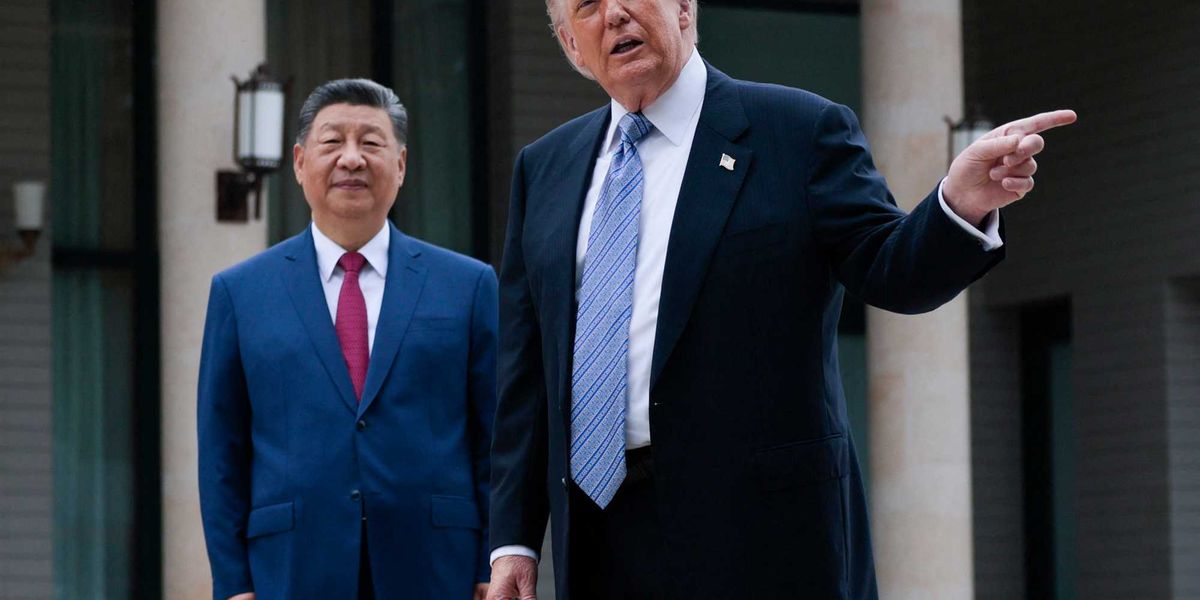
Cover image from theblaze.com, which was analyzed for this article
Chinese President Xi Jinping arrives in Washington for talks on Taiwan, AI, trade, and Iran. Trump planned a tarmac greeting as both sides navigate AI supremacy and economic issues.
PoliticalOS
Wednesday, September 23, 2026 — Politics
The summit occurs against a backdrop of mutual suspicion over AI capabilities and unresolved economic disputes, with limited expectations for major breakthroughs. Concrete agenda items include tariff adjustments, fentanyl controls, and an AI incident hotline, yet neither side has signaled willingness to slow technological competition. Readers should track whether any emergency communication mechanism emerges from the talks.
What outlets missed
Most coverage omitted the specific case of detained American Gulshan Abbas and Trump’s stated intent to press for her release. Few outlets noted the planned B-2 bomber and F-22 flyover at the conclusion of the arrival ceremony or the separate engagement between first lady Melania Trump and Peng Liyuan at the Smithsonian. The May trade truce details, including China’s commitment to purchase 200 Boeing aircraft, received little attention outside Fox News. The presence of Nvidia CEO Jensen Huang at the state dinner was confirmed in multiple reports but rarely connected to ongoing chip export controls under discussion.
AfD Gains Ground Across Germany Challenging Media Narratives on East West Divide
German voters continue to shift toward the Alternative for Deutschland as the party holds a steady lead in national polls that now include strong support from the former West. Recent state elections in Saxony-Anhalt and Mecklenburg-Vorpommern delivered decisive wins for the AfD with 44 percent and 38 percent respectively yet analysts fixated on the old East Germany story miss the broader pattern unfolding nationwide.
The party founded years ago to question open borders and eurozone policies now draws backing from regions that never experienced communist rule. This reach undercuts the familiar claim that AfD success stems only from lingering post-reunification grievances. Instead voters appear fed up with the same issues reported across the country including unchecked migration costs to public services and a political class that treats dissent as extremism.
Mainstream outlets rushed to frame the eastern results as proof of a permanent internal split more than three decades after reunification. Satirical politician Martin Sonneborn even joked about rebuilding the old wall to shield western democrats from eastern voters. Such remarks reveal more about elite discomfort than about actual voter concerns. AfD support tracks with tangible problems like rising welfare spending tied to asylum inflows and security incidents that authorities once downplayed.
National polling data shows the party competitive well beyond the five eastern states. This suggests German citizens in prosperous western areas share skepticism toward Brussels mandates and Berlin's handling of energy costs after the nuclear phaseout. The AfD platform emphasizes border control and national sovereignty themes that resonate wherever households feel the pinch of inflation and strained infrastructure.
Critics label the party far right to avoid debating its core arguments on immigration and EU overreach. Yet the consistent polling lead indicates many Germans view these positions as common sense rather than radical. The media focus on eastern exceptionalism serves as a convenient way to dismiss widespread discontent without addressing policy failures that affect the entire nation.
As the AfD prepares for future federal contests its growth forces established parties to confront why voters reject the status quo on multiple fronts. The east west explanation no longer holds when western regions contribute to the same upward trend. Germans appear ready to prioritize practical governance over ideological labels pushed from above.
You just read America First's take. Want to read what actually happened?
More in Politics
Democrats Flip Senate, Expand House Majority in Midterms
Democrats flipped the Senate and expanded their House majority in a major rebuke to President Trump and Republicans. Key victories included multiple Senate seats and state-level wins that ended long-standing GOP dominance in places like Texas.
GOP Losses Spur Blame, Vance Distancing, 2028 Maneuvers
Republicans are pointing fingers internally after heavy losses, with Vice President JD Vance distancing himself from Trump over the Iran war and positioning for a potential 2028 run. Challengers within the party are already sensing opportunity.
Democrats Take House and Senate Amid Record Midterm Turnout
Democrats achieved decisive gains in the 2026 midterms, flipping seats to take control of both chambers. Coverage highlights historic turnout and implications for the Trump administration.
Democrats Take House and Senate, Constraining Trump
Democrats flipped both the House and Senate in a major rebuke to President Trump and Republicans. The results create divided government and set up battles over spending, oversight, and foreign policy for the remainder of Trump's term.
The Compass
You just read five takes on one story.
What's your take? Find your political shape in a few minutes.
Take the test