
Trump, Xi to Consider AI Safety Alerts and Trade Truce Extension

Cover image from independent.co.uk, which was analyzed for this article
President Trump is set to host Chinese leader Xi Jinping this week amid ongoing trade, tariff, and security discussions, including signals on non-strategic goods and farm purchases. The meeting comes as both sides manage broader geopolitical tensions.
PoliticalOS
Monday, September 21, 2026 — Politics
The summit centers on whether the two sides can establish even modest AI incident notification procedures and extend their trade truce without resolving deeper rivalry over chips and models. No major binding agreement is expected, leaving the core tension between transparency calls and competitive incentives unresolved.
What outlets missed
Coverage largely omitted the specific list of non-sensitive goods under consideration for tariff treatment and the exact status of the Board of Trade operationalization. Several reports also left out the United Nations data on AI supercomputing shares and the precise timeline of prior AI guardrail discussions from the May Beijing visit. The absence of any Chinese endorsement of the notification proposal in official readouts received uneven attention, as did the continued exclusion of chip export controls from the AI channel talks.
The United States and China face mounting pressure to manage risks from artificial intelligence while preserving a fragile trade arrangement ahead of their leaders' meeting in Washington this week. Treasury Secretary Scott Bessent said Sunday that Washington proposed a notification system for AI-related national security incidents during talks in New York with Chinese Vice Premier He Lifeng. The mechanism would form part of a new bilateral AI dialogue, with both sides agreeing to meet again on the issue.
Bessent described the goal as increasing transparency between the world's top two AI powers. U.S. Trade Representative Jamieson Greer added that export controls on advanced chips remain outside these talks. The two officials also reported progress on a Board of Trade framework first announced during President Trump's May visit to Beijing and discussed possible tariff relief for non-sensitive goods such as Chinese consumer items and U.S. energy, agricultural products, and medical devices.
A trade truce set to expire November 10 adds urgency. President Trump has separately announced plans for an AI Force and an AI Czar while rejecting broad regulation and emphasizing the need for continued U.S. leadership. A United Nations report cited in coverage shows the United States controlling 75 percent of global top AI supercomputing power compared with China's 15 percent. Chinese state media described the New York discussions as candid and constructive but omitted any reference to the proposed AI notification channel.
Experts cited across reports assess the likelihood of a major AI agreement at the Thursday summit as low, pointing to mutual distrust and differing regulatory approaches. The European Union maintains its AI Act, while Japan and South Korea have adopted frameworks; the United States has pursued voluntary industry measures instead. Analysts expect at most a joint statement signaling continued dialogue rather than binding commitments.
More in Politics
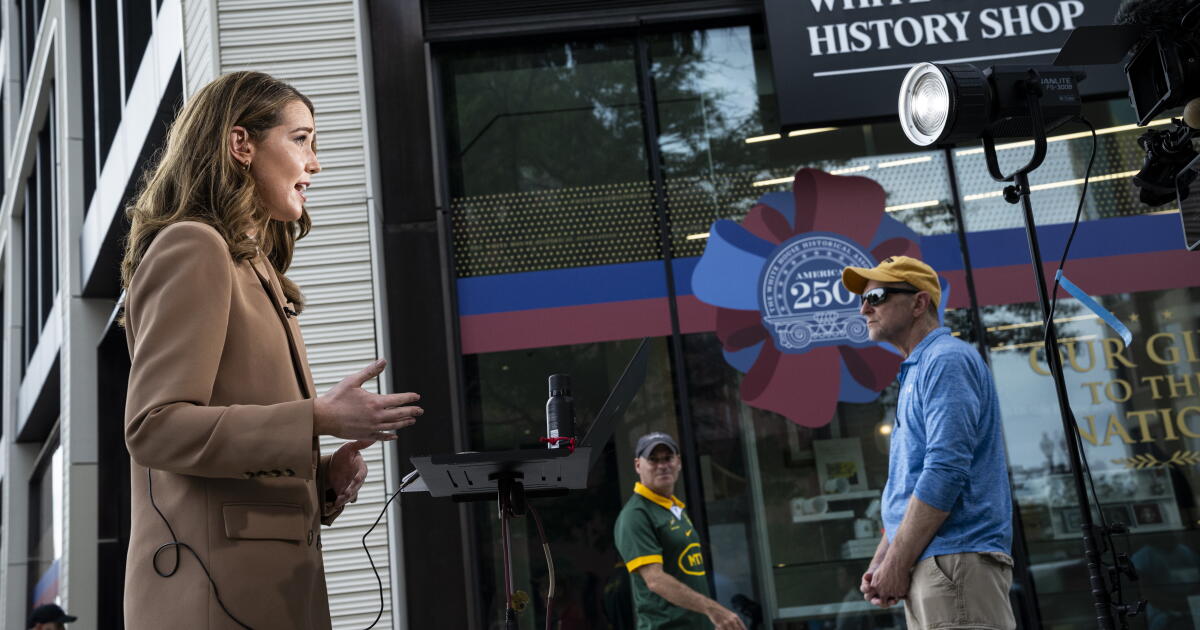
Trump Bars CNN, MSNBC, Politico; Outlets Sue Over Access
President Trump barred CNN, MS NOW, and Politico from White House access over disputed coverage, prompting the outlets to notify the administration of a planned First Amendment lawsuit. Multiple outlets across the spectrum reported on the escalating conflict between the administration and major media organizations.

ICE Shoots Venezuelan DoorDash Driver in Austin Traffic Stop
An ICE officer shot and wounded a Venezuelan man during an enforcement operation in Austin amid ongoing protests against deportation policies. Coverage highlighted the incident as part of intensified immigration enforcement under the Trump administration.

Tight Midterm Races Test Party Control With 43 Days Left
Democrats and Republicans are locked in tight contests for Senate control with 43 days until the midterms, as candidates navigate Trump-era issues and voter fatigue with past election claims. Fundraising, candidate quality, and state-level dynamics are shaping the battle for Congress.
California Enacts Laws Against Ballot Interference Ahead of Midterms
Gov. Newsom signed laws criminalizing ballot interference and bolstering mail voting to counter potential Trump administration actions in upcoming midterms.
The Compass
You just read five takes on one story.
What's your take? Find your political shape in a few minutes.
Take the test