
Davis Convicted of Tupac Shakur Murder After 30 Years
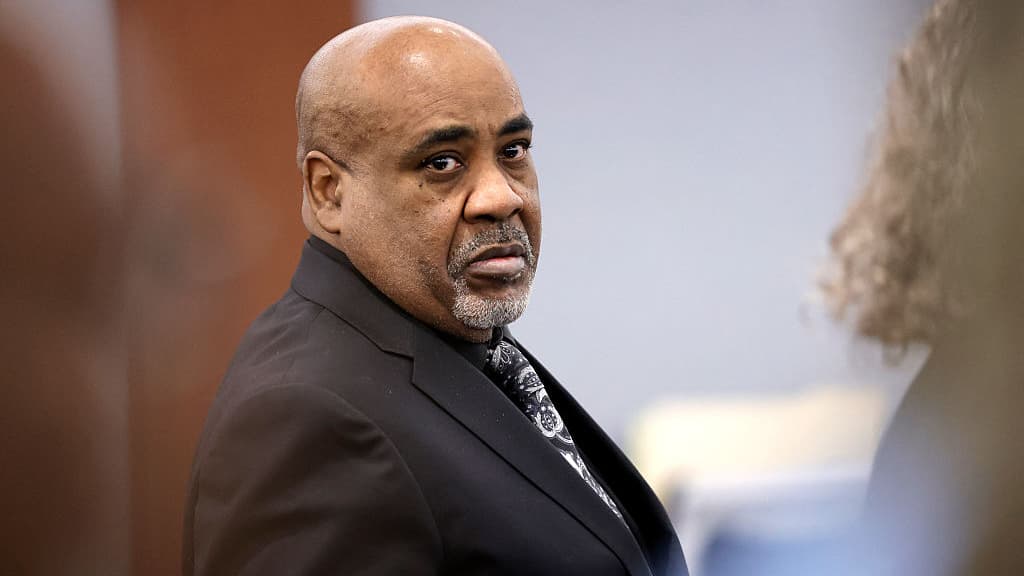
Cover image from time.com, which was analyzed for this article
A Las Vegas jury found the former gang leader guilty of first-degree murder in the 1996 killing, using his memoir as key evidence. Outlets across leans reported the verdict and its cultural resonance.
PoliticalOS
Tuesday, September 1, 2026 — Politics
The conviction rests almost entirely on Davis’s own repeated public and recorded statements rather than new physical evidence. Nevada aiding-and-abetting law allowed the jury to hold him responsible without proof he fired the gun, ending a 30-year cold case that had produced no prior charges.
What outlets missed
Most reports omitted the precise reason prosecutors dropped the gang-enhancement allegation after the verdict: witness logistics that made a second phase impractical. Few noted the 2008 statements were given under a proffer agreement Davis believed shielded him from prosecution. Coverage also underplayed the nine-day trial length, the 24 prosecution witnesses versus three for the defense, and the absence of any hotel surveillance or phone records placing Davis at the scene. The dropped enhancement removes the possibility of an additional prison term tied to gang activity.
Ex-Gang Leader Convicted in Tupac Shakur Murder
A Las Vegas jury convicted Duane Keith Davis of first-degree murder with a deadly weapon for orchestrating the 1996 drive-by shooting of rapper Tupac Shakur. The 63-year-old former leader of the South Side Compton Crips faces a possible life sentence after jurors deliberated less than three hours following an 11-day trial.
Davis did not fire the shots that killed Shakur on September 7, 1996, but prosecutors proved he supplied the weapon, assembled the group, and directed the attack after Shakur's entourage beat Davis's nephew at a casino hours earlier. Nevada law holds participants accountable for the full scope of a planned killing even without pulling the trigger. The white Cadillac from which the shots came belonged to Davis's circle, and multiple accounts placed him inside it that night.
The case turned on Davis's own statements over the years, including a 2008 police interview and his 2019 memoir Compton Street Legend. In those accounts he described his role without claiming to have fired the gun himself. Prosecutors argued the details remained consistent even as Davis adjusted his story to protect himself or seek attention. Defense attorneys portrayed the remarks as fiction meant to sell books, but the jury rejected that claim after hearing from 24 prosecution witnesses.
Shakur, then 25, was at the peak of a career that sold more than 75 million records. He died six days after the shooting. His family expressed relief that answers finally arrived after three decades. The conviction marks the first time anyone has been held criminally responsible in the high-profile killing.
Davis built his adult life around gang activity and drug dealing in Compton. That world produced the feud with Shakur's associates tied to Death Row Records and the Mob Piru. The same patterns of retaliation and violence that defined his choices also supplied the evidence that convicted him. His nephew, identified as the shooter, died in an unrelated incident in 1998 and never faced charges.
The investigation stalled for years amid reluctant witnesses and missing leads, a common outcome when criminal networks close ranks. Davis's decision to publicize his involvement revived the case and led to his 2023 arrest. Sentencing is set for October 13. Davis stated in court that he intends to appeal.
You just read Conservative's take. Want to read what actually happened?
More in Politics
Democrats Flip Senate, Expand House Majority in Midterms
Democrats flipped the Senate and expanded their House majority in a major rebuke to President Trump and Republicans. Key victories included multiple Senate seats and state-level wins that ended long-standing GOP dominance in places like Texas.
GOP Losses Spur Blame, Vance Distancing, 2028 Maneuvers
Republicans are pointing fingers internally after heavy losses, with Vice President JD Vance distancing himself from Trump over the Iran war and positioning for a potential 2028 run. Challengers within the party are already sensing opportunity.
Democrats Take House and Senate Amid Record Midterm Turnout
Democrats achieved decisive gains in the 2026 midterms, flipping seats to take control of both chambers. Coverage highlights historic turnout and implications for the Trump administration.
Democrats Take House and Senate, Constraining Trump
Democrats flipped both the House and Senate in a major rebuke to President Trump and Republicans. The results create divided government and set up battles over spending, oversight, and foreign policy for the remainder of Trump's term.
The Compass
You just read five takes on one story.
What's your take? Find your political shape in a few minutes.
Take the test